
Iran is calling on Islamic countries to work more closely together as the Middle East faces another period of serious tension.
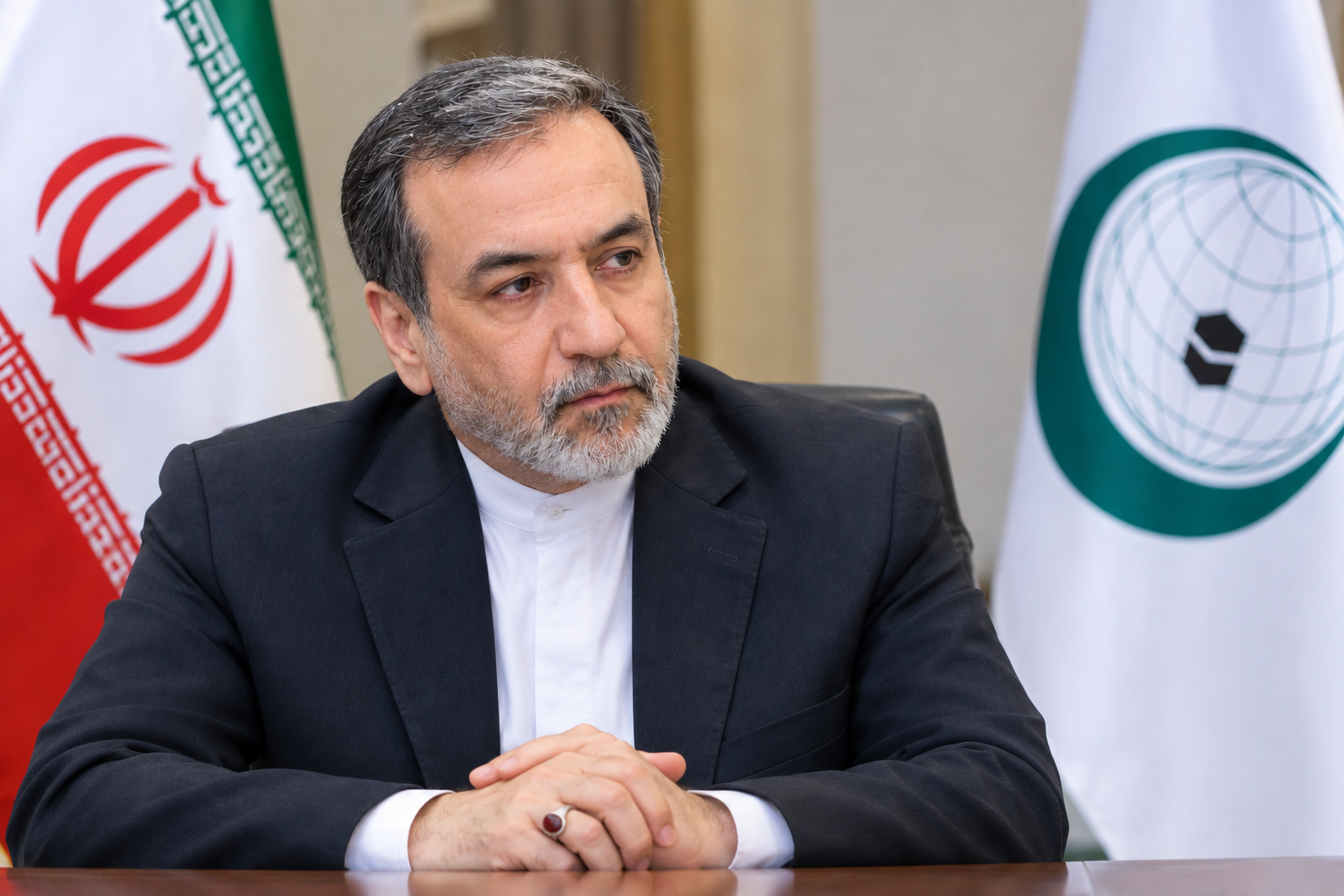
Iranian Foreign Minister Abbas Araghchi discussed the situation with Ismail Ould Cheikh Ahmed, who recently became the new Secretary-General of the Organisation of Islamic Cooperation, or OIC. The OIC represents 57 member states and is one of the largest international organisations after the United Nations.
According to Iranian reports, Araghchi said Islamic countries should have a responsible and united response to what Iran describes as U.S. and Israeli aggression. He also expressed concern about continuing Israeli military operations affecting Palestinians and the situation in Lebanon.
The conversation comes as the region is experiencing heightened tensions. Fighting and military exchanges involving Iran, the United States and Israel have increased concerns about a wider regional conflict. The situation has also affected shipping and energy markets, particularly around the Strait of Hormuz, an important route for global oil transportation. Recent fighting has contributed to higher oil prices and concerns about possible disruptions to energy supplies.
The new OIC leadership could play an important diplomatic role during this period. Ismail Ould Cheikh Ahmed was elected Secretary-General in late August and officially took over from Hissein Brahim Taha. The OIC has said that strengthening cooperation among Islamic countries and improving regional security and stability are among its priorities.
However, Islamic countries do not all have the same position on the current conflict. The OIC has previously called for peaceful dialogue and regional stability, while some member states have strongly criticized Iran's military actions against neighboring countries. In March, for example, the OIC condemned Iranian attacks on several member states and called for an immediate end to military escalation.
Araghchi's latest appeal therefore highlights a difficult challenge for the OIC: finding common ground among its 57 members while addressing the conflicts in Palestine, Lebanon and the wider Middle East.
For Iran, greater cooperation among Islamic countries could provide stronger diplomatic pressure against Israel and the United States. For other OIC members, however, reducing regional violence and protecting their own security and economies remain major concerns.
The latest diplomatic contact shows that, alongside military developments, regional countries are continuing to discuss political and diplomatic ways to prevent the conflict from becoming even wider.
Summary
Iranian Foreign Minister Abbas Araghchi has called for greater unity among Islamic countries as tensions continue to rise across the Middle East. During a phone conversation with Ismail Ould Cheikh Ahmed, the newly appointed Secretary-General of the Organisation of Islamic Cooperation (OIC), Araghchi stressed what he described as the need for a “responsible response” from Islamic nations.
Araghchi also raised concerns about Israeli military actions in Palestine and Lebanon. His comments come at a time when the wider Middle East is facing growing military and political tensions involving Iran, Israel and the United States.
Content
×
![]()