
The United Kingdom has announced new sanctions targeting Israeli settlements in the occupied West Bank, marking a major change in its policy toward Israel and the Israeli-Palestinian conflict.
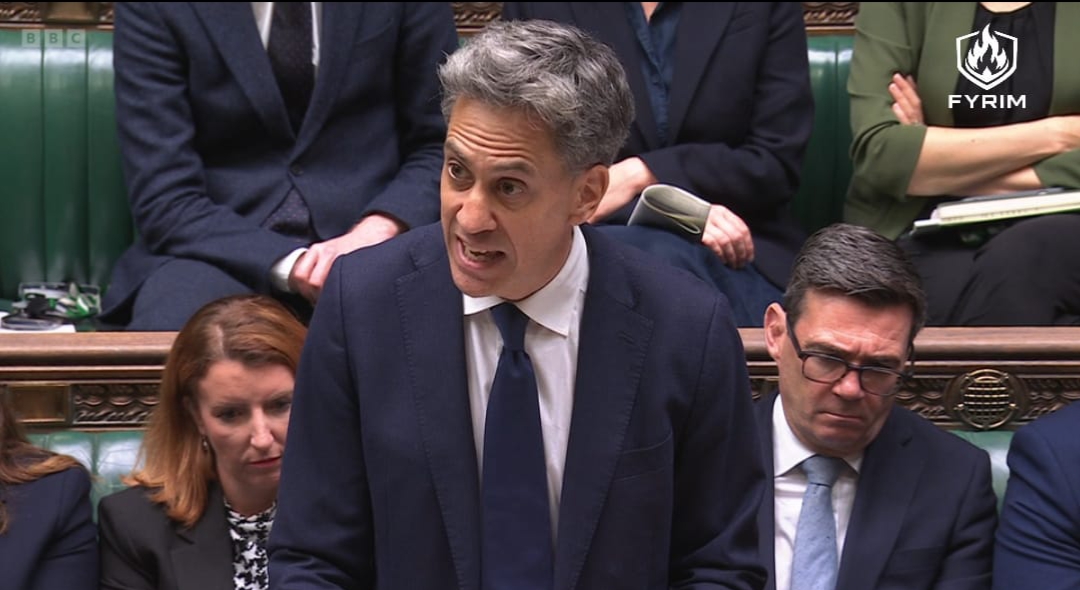
UK Foreign Secretary Ed Miliband said the measures were introduced because of growing violence against Palestinians and the continued expansion of Israeli settlements. He accused Israel's government of failing to stop what he described as the “ethnic cleansing” of Palestinians in some areas of the West Bank.
Miliband said the UK was beginning a “new approach” that would not only speak about injustice but would also take action. He stressed that the sanctions are aimed at Israeli settlements and settlement expansion, rather than the Israeli population as a whole.
Under the planned measures, the UK will restrict trade in goods connected to Israeli settlements in the West Bank. The sanctions will also target companies and individuals that provide services or financial support for settlement expansion. Britain also plans to ban advertising for illegal West Bank settlements in the UK.
The government said a wider sanctions system will be introduced over the next six to nine months.
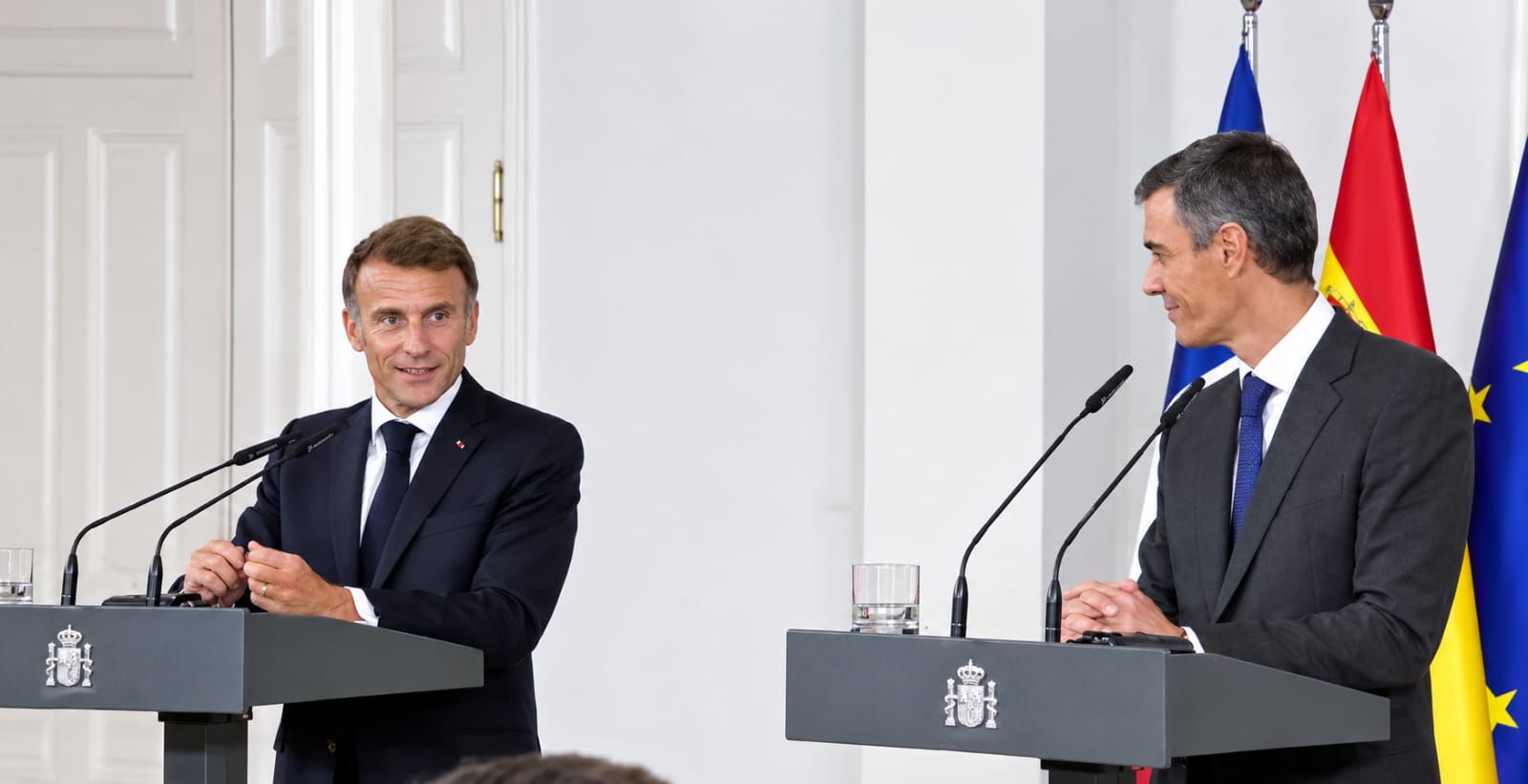
The UK announced the measures together with France and Canada. Eleven other countries also joined a wider statement supporting the two-state solution and saying they would take national steps or support European restrictions on trade connected to West Bank settlements.
The announcement came shortly after Israel opened tenders for about 1,200 new settlement homes in the E1 area east of Jerusalem. The area is considered strategically important because construction there could divide Palestinian communities in the West Bank and make the creation of a continuous Palestinian state more difficult.
Miliband told British lawmakers that development in E1 could make a future two-state solution impossible. He said the proposed construction would effectively cut through an important part of the Palestinian territory.
Israel strongly rejected Britain's decision.
Israeli Foreign Minister Gideon Saar accused Miliband of spreading what he called an “outrageous lie.” He said Israel had no choice but to respond to what he described as hostile actions by the British government.
Israel announced several counter-measures. These include plans to close the British consulate in East Jerusalem, which handles UK affairs involving Jerusalem, the West Bank and Gaza. Israel also said 11 British MPs would be barred from entering the country. Those MPs include former Labour leader Jeremy Corbyn, Diane Abbott and five sitting Green Party MPs.
Israel also said British representatives working with an international Gaza support center would be removed and that British activities helping train Palestinian Authority security forces in the West Bank would end.
Israeli President Isaac Herzog also criticized the British decision, saying sanctions were not a solution and could harm Palestinians as well. He called on governments to use dialogue and cooperation instead.
The British announcement has also caused disagreement inside the UK. Britain's Chief Rabbi, Sir Ephraim Mirvis, described the decision as a very difficult moment for British Jews. The Board of Deputies of British Jews also expressed regret over the sanctions.
However, the Palestinian leadership welcomed the move, calling it an important step against Israeli settlement policies and violations against Palestinians.
The British government has also criticized Israel's conduct during the Gaza war. Miliband said Israel had the right to defend its people after the Hamas attack of 7 October 2023, but argued that this right did not justify violations of international humanitarian law.
He said there was growing evidence that serious violations may have occurred in Gaza and supported international legal processes to determine whether war crimes were committed. He also said international courts should decide whether Israel committed genocide.
Israel has repeatedly rejected accusations of genocide, war crimes and crimes against humanity and says its military operates according to international law.
The United States has not joined the UK, France and Canada in these measures. US Secretary of State Marco Rubio said Washington would not follow Britain's approach. Former US ambassador to Israel Mike Huckabee also warned that American action could follow and potentially have economic consequences for British businesses.
The West Bank has been under Israeli occupation since the 1967 Middle East war. Israel has established around 160 settlements there and in East Jerusalem, where hundreds of thousands of Israeli settlers now live alongside millions of Palestinians.
Settlement expansion and settler violence have become increasingly controversial, particularly since the Gaza war began. Britain and several other Western governments say continued settlement growth threatens the possibility of creating an independent Palestinian state alongside Israel.
The latest sanctions therefore represent not only an economic measure but also a political warning from Britain and its partners. The UK says its goal is to pressure those involved in settlement expansion while supporting a future two-state solution. Israel, however, views the measures as hostile and has responded with diplomatic and political retaliation.
Summary
The UK has announced sanctions against illegal Israeli settlements in the occupied West Bank, saying settler violence and settlement expansion are harming Palestinians and threatening the possibility of a two-state solution. Israel strongly rejected the decision and announced measures against the UK, including plans to close the British consulate in East Jerusalem and restrict entry for several British MPs.
Content
×
![]()