
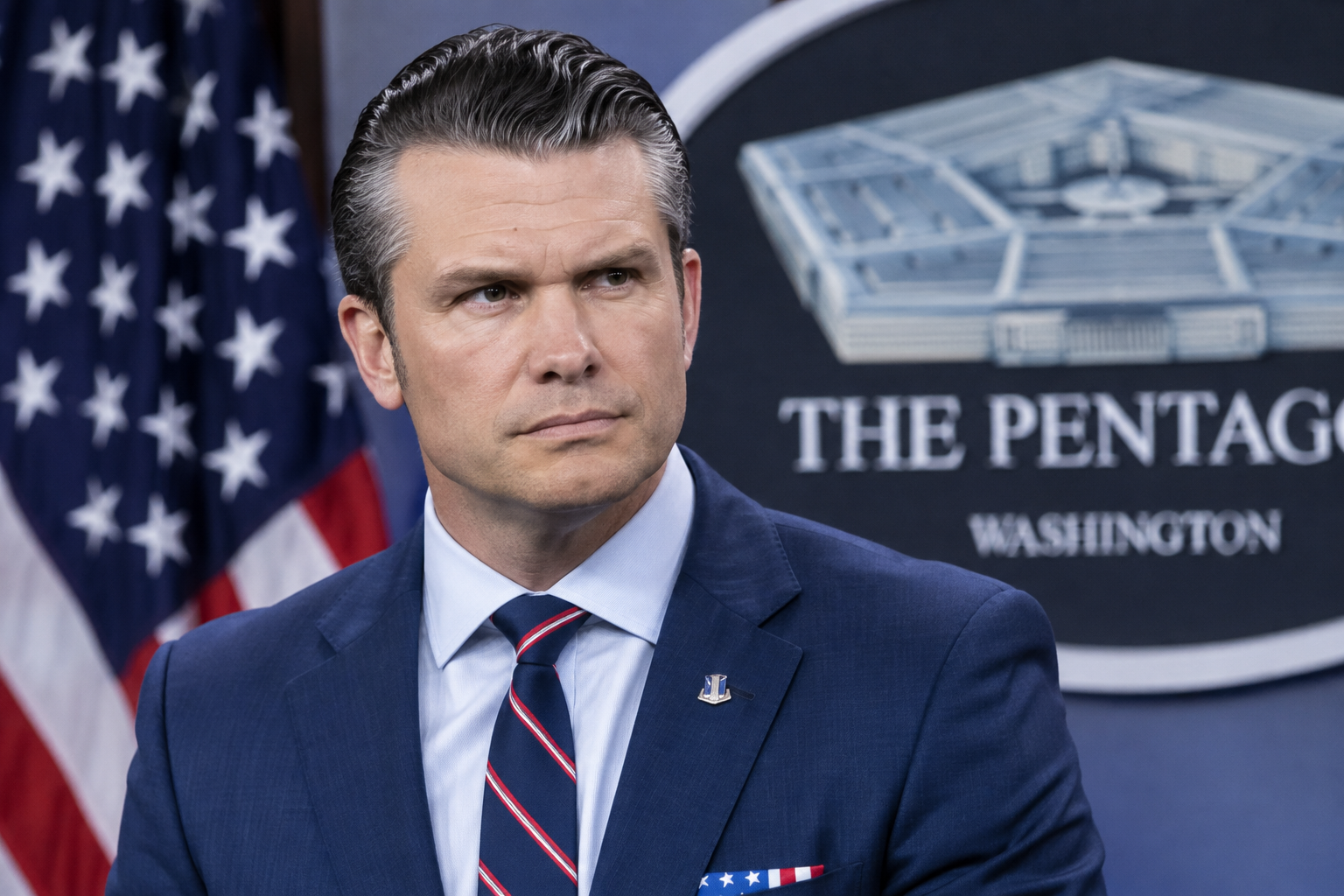
US Defence Secretary Pete Hegseth is carrying out major changes inside the Pentagon at the same time that the United States is fighting a difficult and expensive war involving Iran. The combination of military operations overseas and major changes at home has raised concerns about whether the US military is being pushed too far.
The situation has created two major challenges for the US military. The first is the ongoing conflict with Iran, including efforts by President Donald Trump to challenge Iran’s control over the Strait of Hormuz. The second is Hegseth’s effort to change the culture and leadership of the Pentagon.
One of the biggest developments came when Dan Driscoll, the US Secretary of the Army, resigned. Driscoll had reportedly disagreed with Hegseth over the speed and direction of military reforms. His departure was especially important because he had been working on plans to modernize the Army.
Driscoll wanted the Army to make greater use of drones and other new technologies. The war in Ukraine has shown how inexpensive drones can play a major role on the modern battlefield. Driscoll believed the US Army needed to adapt quickly to these changes and become better prepared for future conflicts.
However, reports say disagreements developed between Driscoll and Hegseth over how quickly these reforms should happen. Critics argue that removing senior officials responsible for modernization could slow down important changes and create uncertainty inside the military.
Driscoll is also not the only senior official to leave or be removed. Hegseth has replaced or sidelined several senior military leaders, including top officers connected to the Army, Navy and Air Force. More than two dozen generals, admirals and civilian defence officials have reportedly been removed or pushed aside.
Hegseth says these changes are necessary. He has strongly criticized what he calls “woke” policies inside the military. He has promised to remove diversity programmes, change rules that he believes limit soldiers, and put greater focus on military strength and combat effectiveness.
His supporters say Hegseth is bringing new ideas to the Pentagon and restoring what they describe as a stronger “warrior spirit.” Vice-President JD Vance has defended him and said the military needed a major cultural change after years of unsuccessful wars and military interventions.
But critics believe the large number of leadership changes could create serious risks. Some former Pentagon officials say losing experienced leaders at such an important time could affect military planning, decision-making and readiness.
The situation is also creating concerns among US allies, especially in Europe. Since the conflict with Iran began, the United States has moved military equipment and weapons from Europe and Asia toward the Middle East. This has reduced some of the resources available in other regions.
The US has also announced plans to reduce its troop presence in Germany. At the same time, American military resources have been moved from the Pacific toward the Middle East. Aircraft carriers and other forces have been redirected to support operations in the Gulf.
Another major concern is ammunition. According to estimates cited by the Center for Strategic and International Studies, the US has used a significant part of its Tomahawk missile supply and a large number of Patriot air-defence interceptors during the conflict.
This has raised questions about how quickly the United States can replace its weapons while continuing to deal with other threats, particularly China and Russia.
The long-term deployment of thousands of American troops in the Middle East is another challenge. Some forces have been in the region for months, with deployments now expected to continue for an extended period.
Supporters of Hegseth argue that the US military remains extremely powerful and that the changes are necessary to prepare it for future wars. The White House has also strongly defended Hegseth and said President Trump has full confidence in him.
However, the combination of military leadership changes, weapons use, long deployments and growing tensions with Iran, Russia and China has created difficult questions for Washington.
The central issue is whether Hegseth’s reforms will ultimately make the US military stronger or whether the rapid changes are creating unnecessary risks at a time when the United States is already facing major security challenges.
Summary
US Defence Secretary Pete Hegseth is making major changes at the Pentagon while the US is involved in a long and costly conflict with Iran. Several senior military and civilian officials have left their positions after disagreements over reforms. Critics warn that the changes could weaken military leadership and readiness, while Hegseth’s supporters say he is removing old policies and creating a stronger fighting force.
Content
×
![]()