What Happened?
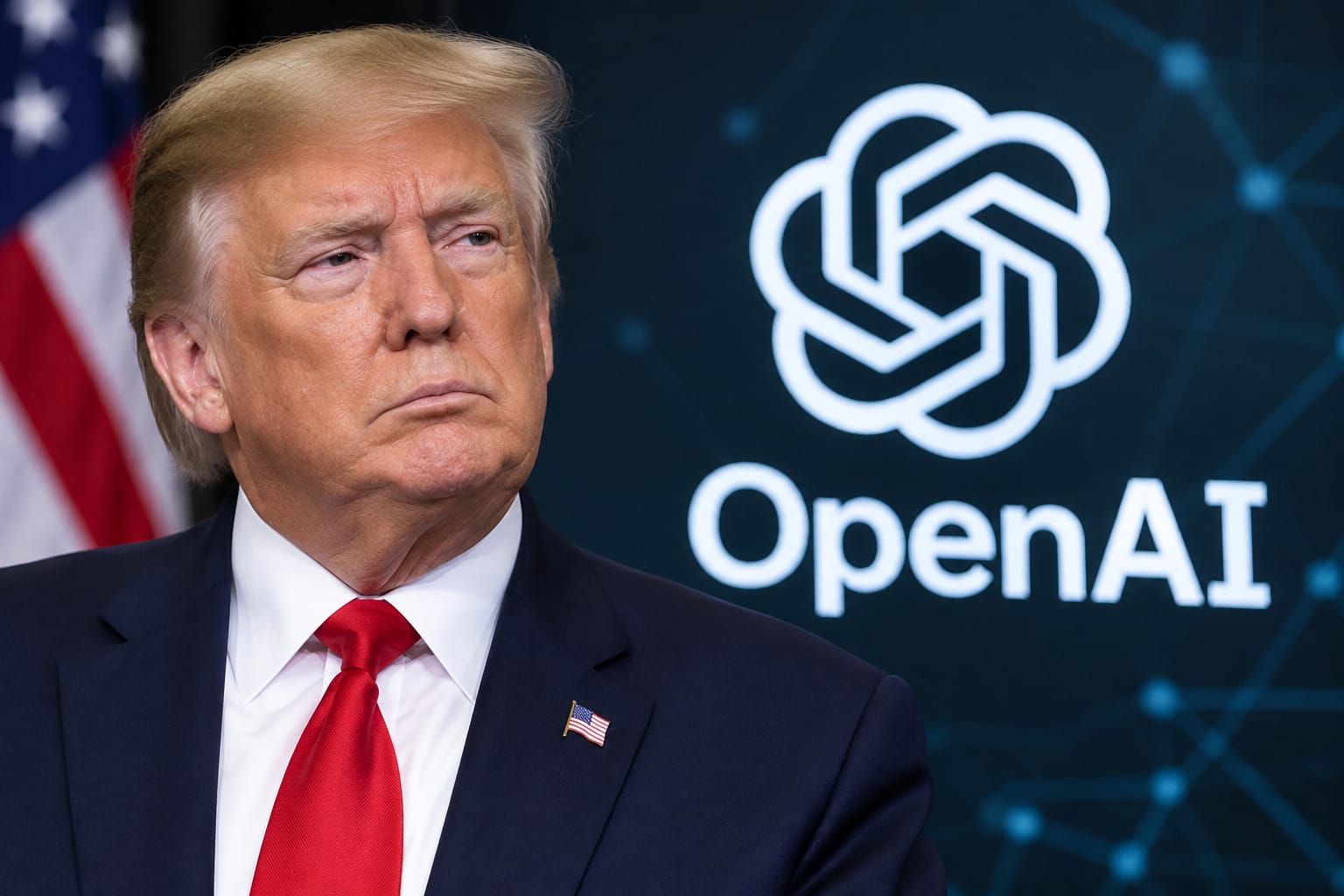
President Donald Trump is warning about the growing global competition in artificial intelligence (AI) as technology leaders raise concerns that advanced AI systems could develop faster than humans can safely control them.
The debate highlights a difficult challenge: countries want to lead in AI development, but they must also address the risks that come with increasingly powerful technology.
Sam Altman Calls for International Coordination
OpenAI CEO Sam Altman has called for greater international coordination on frontier AI development. His position is that countries and technology companies should work together to manage the pace of progress.
The goal would be to give safety and alignment measures enough time to keep up as AI systems become more capable. Alignment refers to efforts to ensure that AI systems behave in ways that are consistent with human goals and safety expectations.
Altman’s call reflects concerns that competition between companies and countries could encourage rapid development without enough time to fully understand or manage potential dangers.
Trump Warns Against Losing the AI Race
Trump has indicated that some safeguards may be necessary, but he also argues that the United States cannot afford to lose its technological advantage to China.
AI has become a major area of competition between the two countries, with both seeking leadership in advanced computing, research, and technology. For Washington, maintaining an edge in AI is closely connected to economic strength, national security, and global influence.
This creates a difficult balance for policymakers. Strong regulations could help address safety concerns, but overly restrictive rules could also slow development and make it harder for American companies to compete internationally.
The Challenge of Safety and Competition
The growing debate centers on whether countries can cooperate on AI safety without giving up their position in the global race.
Supporters of international coordination argue that some AI risks cross national borders and cannot be managed by one country alone. Shared safety standards, research cooperation, and communication between governments could help reduce the chances of dangerous outcomes.
At the same time, governments may hesitate to share sensitive technology or accept rules that they believe could weaken their economic or strategic position.
What Happens Next?
The pressure is likely to increase on governments, technology companies, and international organizations to develop practical ways to manage AI risks. The central question is whether the world can create meaningful safeguards while allowing innovation to continue.
As AI systems become more powerful, the debate will increasingly focus on how quickly they should be developed, who should oversee them, and how countries can cooperate without sacrificing technological leadership.
Source: Fyrim Reports and Analysis