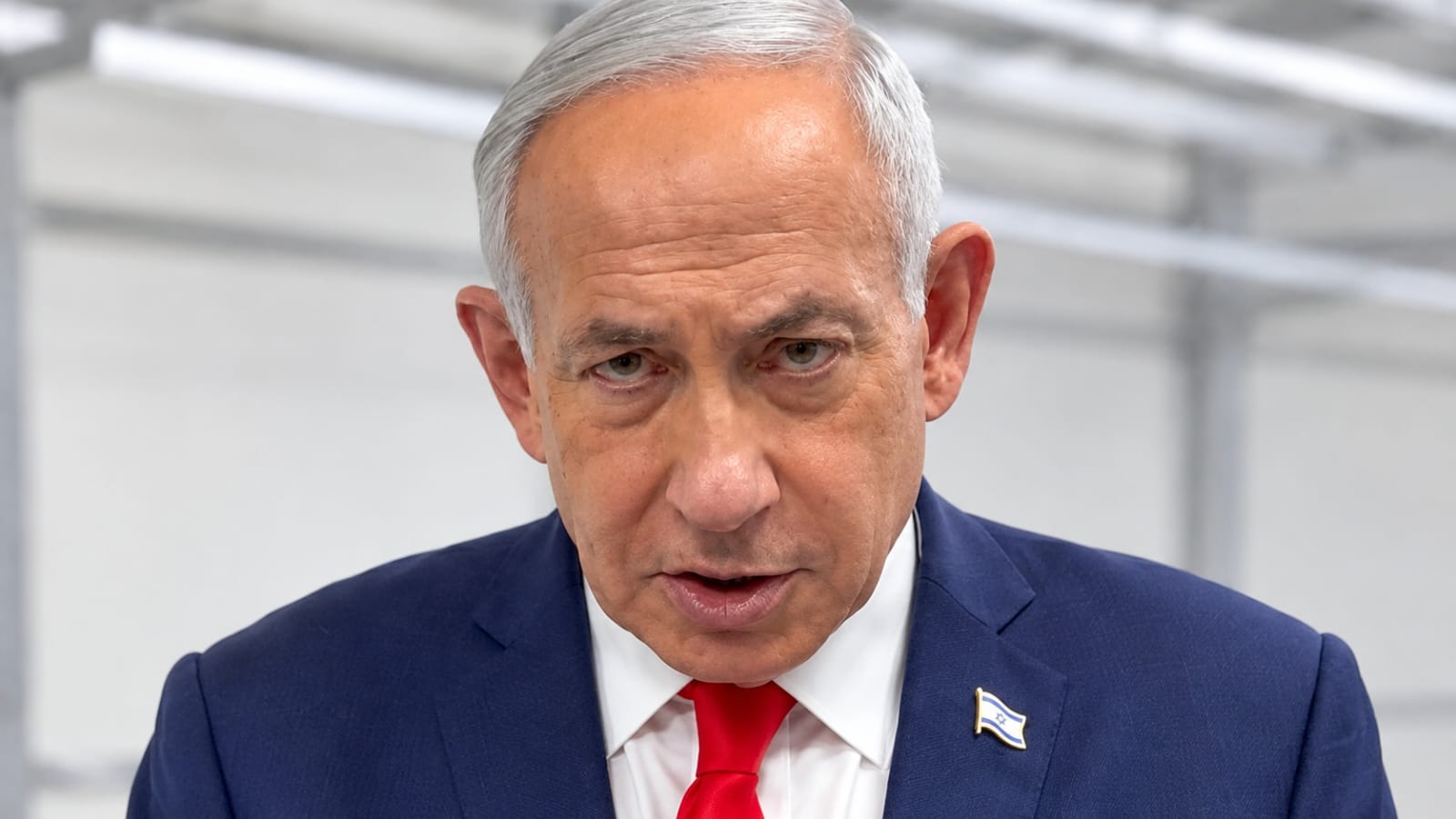
Netanyahu’s Bloc Falls Short of a Majority
According to the reported results, Netanyahu’s bloc is projected to win around 55 seats in Israel’s 120-seat Knesset, six short of the 61 needed for a majority.
The opposition parties are projected to hold a combined 65 seats, including representatives from Arab political parties. However, the opposition is divided, and its projected total does not necessarily mean it can form a united government.
Likud, Netanyahu’s party, remains the largest individual party in the reported projections, while Gadi Eisenkot’s Yashar party is gaining ground. Naftali Bennett’s Together alliance has also moved into third place in the latest figures.
Arab Parties Could Play a Decisive Role
Ra’am leader Mansour Abbas said politicians from both Netanyahu’s camp and the opposition had approached his party during the emerging coalition discussions.
Abbas’s party has previously negotiated with Israeli governments to secure funding and improvements in housing, infrastructure, public safety and services for Arab communities.
In 2021, Ra’am joined the coalition led by Naftali Bennett and Yair Lapid, becoming the first independent Arab party to participate in an Israeli governing coalition.
However, Netanyahu has publicly opposed forming a government that depends on what he described as anti-Zionist Arab parties, highlighting a potential obstacle to negotiations involving those groups.
Netanyahu Calls for a Right-Wing Government
Netanyahu has urged right-wing and Zionist political forces to unite behind a national right-wing government. He argued that the right has substantial support among Jewish voters and emphasized Likud’s position as the largest party.
His statements underline the challenge facing his bloc: securing enough parliamentary support while maintaining his stated opposition to relying on Arab parties he considers anti-Zionist.
The opposition, meanwhile, must overcome its own political differences if it hopes to form an alternative government.
Vote Counting Could Change the Outcome
The reported figures showed that 55.4% of votes had been counted, with Likud receiving 20.8% and Yashar 17.1%. Bennett’s alliance was reported at 9.2%, moving ahead of the Joint List for third place.
The gap between Likud and Yashar had narrowed as counting progressed. With additional votes, including ballots from major cities and soldiers, still expected, the final distribution of seats could change.
These figures remain projections rather than final results.
Netanyahu Says Israel Must Address the Iranian Threat
Netanyahu also highlighted Iran as a major national security concern, saying Israel had a historic opportunity to eliminate what he described as an existential Iranian threat in cooperation with US President Donald Trump.
He added that the mission was not complete and reiterated his commitment to confronting the threat.
What Happens Next?
The immediate challenge is to determine which political camp can assemble a coalition of at least 61 lawmakers. Arab parties could become important to that process, even as Netanyahu’s public position complicates the possibility of cooperation.
If negotiations fail, Israel could face a prolonged period of political uncertainty while party leaders seek a workable governing arrangement.
Key Points
- Netanyahu’s bloc is projected to hold around 55 seats, short of a majority.
- Opposition parties are projected to have 65 seats but remain divided.
- Ra’am leader Mansour Abbas says politicians from both camps have approached his party.
- Netanyahu has called for a right-wing government and rejected reliance on anti-Zionist Arab parties.
- Vote counting is ongoing, so the projected results could change.
- Netanyahu has emphasized cooperation with Trump over the Iranian threat.
Source: Statements attributed to Israeli political leaders and election projections, as reported by Fyrim.