Why Students Are Protesting
Students are protesting difficult conditions in French schools.
Their main concerns include:
- Overcrowded classrooms
- Shortages of teachers and support staff
- Poorly maintained school buildings
- Lack of desks and other basic resources
- Too few supervisors
- Long school hours
- Difficult learning conditions
- Uncomfortable classrooms during periods of high temperatures
Many students say their schools do not have enough staff or facilities to properly support them.
Protests Spread Across France
The demonstrations began in the Paris region and have since spread to cities across France.
Authorities report that more than 700 schools have been affected, while hundreds have been blocked or temporarily closed.
Thousands of people, many of them teenagers, have taken part in the demonstrations.
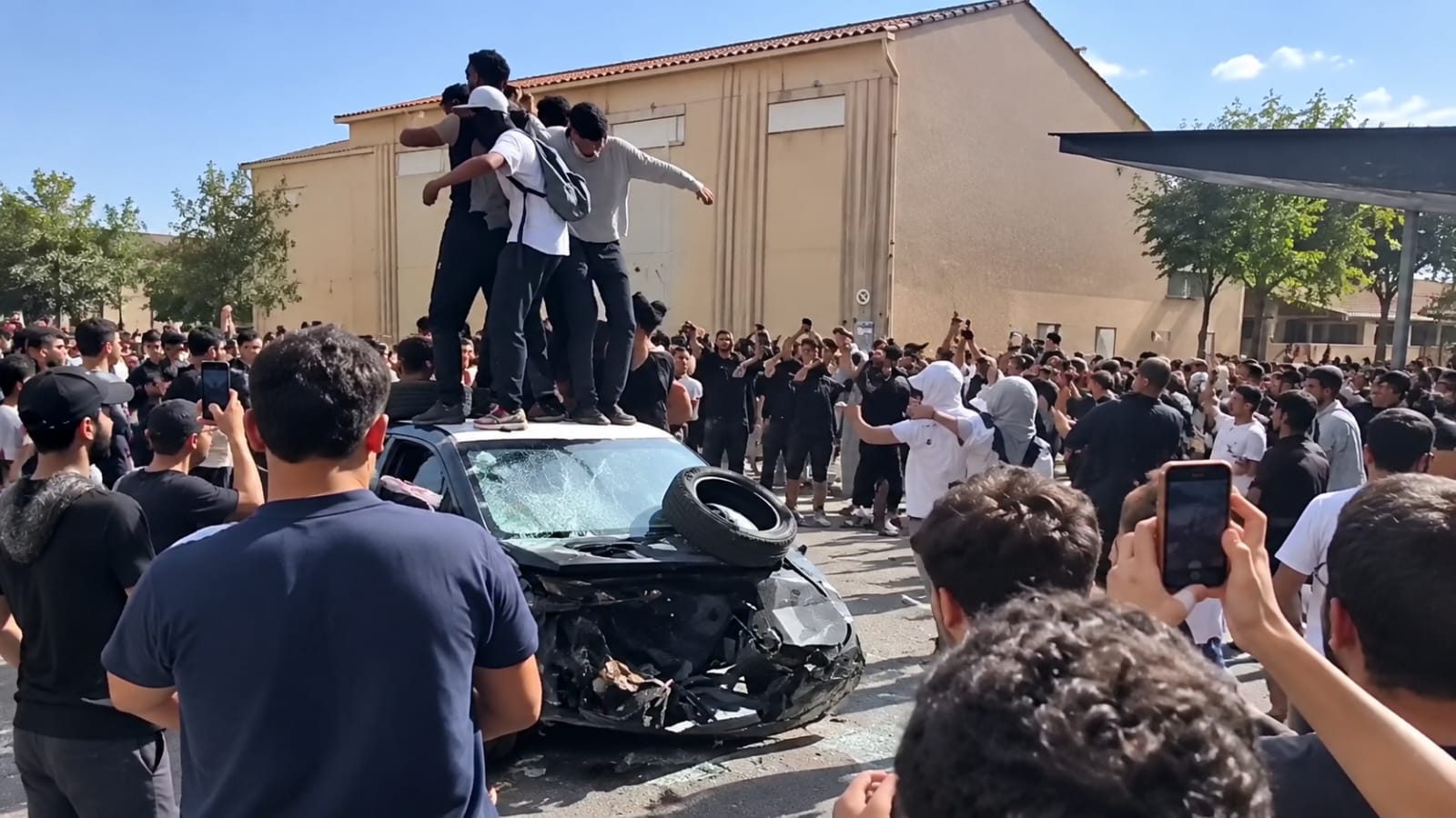
Some Students Commit Criminal Acts
Although the protests began largely as demonstrations over education conditions, some participants have been involved in criminal acts and serious disorder.
Reported incidents include:
- Setting fire to rubbish bins and barriers
- Throwing fireworks and other objects at police
- Damaging school buildings
- Vandalism
- Attacking police officers
- Clashes with riot police
- Attacks involving teachers and school staff
These actions have resulted in arrests, injuries and disruption to schools and public services.
The criminal behavior reported during some demonstrations does not represent every student involved in the wider protest movement.
Police Response
French police have deployed riot-control units, tear gas and other measures to contain violent demonstrations.
Authorities say violent groups have joined or taken advantage of the student protests.
Student groups have rejected the idea that violence represents the wider movement and have accused police of using excessive force during some incidents.
Arrests and Injuries
Thousands of people, many of them teenagers, have reportedly been arrested during the unrest.
Hundreds of police officers and dozens of students and education workers have also been injured, according to the information provided.
The violence has increased pressure on authorities to restore order while also addressing the students' education concerns.
Government Response
The French government has acknowledged that students have legitimate concerns about education.
At the same time, officials have strongly condemned arson, attacks, vandalism and other criminal behavior.
Education Minister Édouard Geffray has announced an action plan focused on improving the replacement of absent teachers.
Student and teachers' unions are calling for continued pressure and further demonstrations.
Situation Remains Tense
The protests remain active, with additional rallies planned in the coming days.
What began as a movement demanding better schools and education resources has developed in some areas into violent street disorder and criminal activity involving some protesters.
French authorities now face the challenge of addressing legitimate education complaints while dealing with violence, property damage and attacks on police and school workers.
Key Points
- Student protests began in the Paris region in September.
- The demonstrations have spread across France.
- High-school students make up most of the movement.
- Students are demanding better education conditions and more resources.
- More than 700 schools have reportedly been affected.
- Some protesters have committed criminal acts, including arson, vandalism and attacks.
- Police have faced fireworks and other objects being thrown at them.
- Thousands of people have reportedly been arrested.
- Police, students and education workers have been injured.
- The government has condemned violence while recognizing education concerns.
- Further demonstrations are planned.
Source
Fyrim