
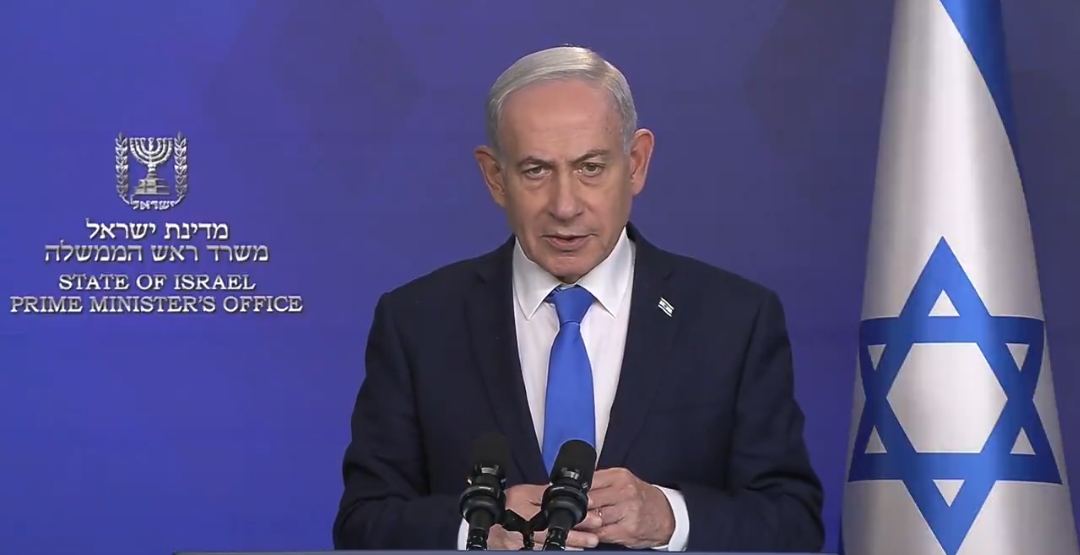
Netanyahu Calls for Unity Government Over Iran Threat as Eisenkot Works to Form New Coalition
Israeli Prime Minister Benjamin Netanyahu has urged Gadi Eisenkot to put political differences aside and join a national unity government because of growing concerns over Iran's nuclear program. The appeal comes as Israel faces political changes following elections and both sides continue discussions about forming a new government.
Netanyahu said Iran is trying to restart its nuclear program and warned that the Iranian government could use nuclear weapons against Israel if it gets them. Referring to previous Israeli military operations, Rising Lion and Roaring Lion, he said Israel must continue preventing Iran from developing nuclear weapons and remove the threat permanently.
Addressing Eisenkot, Netanyahu urged him to stop efforts to form what he called a weak and dangerous government. He asked Eisenkot to begin talks without political conditions or boycotts and said a unity government would help Israel deal with security threats and build stronger relations with other countries.
However, Eisenkot rejected Netanyahu's offer and accused him of creating political divisions. He said Netanyahu knows he lost the elections and that most Israeli citizens and lawmakers do not support him. Eisenkot also said he is working to form a new national emergency government as soon as possible.
Intelligence Talks and Concerns Over Iran
The political disagreement comes as Israeli and US officials continue discussions about Iran and the possibility of new military action.
According to media reports, Netanyahu shared intelligence with Eisenkot about Iran's nuclear program and discussed the possibility of launching new strikes against Iranian targets. These discussions could influence decisions about Israel's future security policy.
Meanwhile, Mossad chief Roman Gofman reportedly traveled to Washington to meet CIA Director John Ratcliffe. The purpose of the meeting was to seek US support for possible military strikes against Iran.
Reports also indicate that Eisenkot was not informed about Gofman's visit before it took place.
The discussions show that Iran remains a major security concern for Israel and that the Israeli government is considering its next steps.
Israeli Military Leadership Raises Concerns
Not everyone in Israel's security leadership reportedly supports launching another military operation against Iran immediately.
IDF Chief of Staff Eyal Zamir has reportedly expressed concerns about the timing of another attack. According to reports, he believes there is no immediate threat from Iran that would justify starting another conflict at this stage.
These concerns highlight the difficult decisions facing Israeli leaders. While Netanyahu wants Israel to prevent Iran from developing nuclear weapons, military officials must also consider the risks and possible consequences of another conflict.
Any new military operation could increase tensions across the Middle East and create further security challenges for Israel and its regional partners.
Challenges Ahead for Israel's New Government
As Netanyahu faces the possibility of leaving office, Eisenkot must secure enough support from lawmakers to form a stable government.
Forming a coalition will not be easy because different political groups have their own demands and priorities. Eisenkot will need to bring these groups together while addressing important issues such as national security, the economy, and relations with other countries.
The situation involving Iran is also expected to remain a major issue during government negotiations.
For now, political talks are continuing, while disagreements between Netanyahu and Eisenkot remain unresolved. The coming days will be important in determining who leads Israel and what direction the country's security policy will take.
Source:
Fyrim team analysis based on the supplied political statements and media reports.