
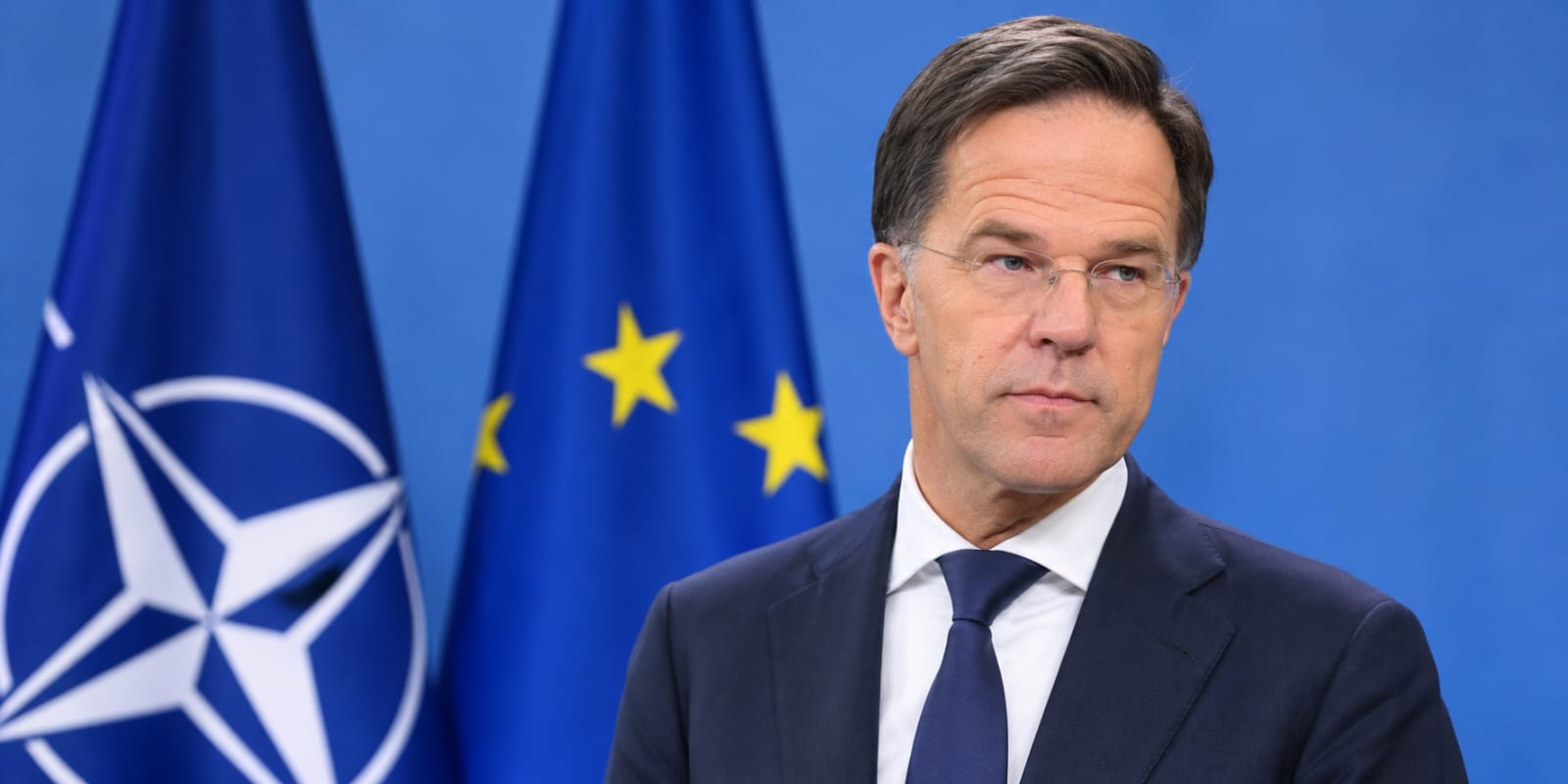
Rutte Calls for Greater Burden-Sharing
Rutte said there had been a “casual assumption” among many people that NATO’s largest friend and ally would always provide most of the military strength and “pick up the bill.”
He argued that expecting one country to carry such a large share of the alliance’s responsibilities is neither right nor realistic, even when that country is the United States.
The comments highlight the continuing discussion within NATO about defense spending, military capabilities and the distribution of responsibilities among member states. NATO countries have different levels of military capacity and defense budgets, making burden-sharing an ongoing issue for the alliance.
Rutte’s remarks indicate that NATO’s future will involve greater attention to how individual members contribute to collective defense and the broader security of the alliance.
Rutte Describes ‘NATO 3.0’
Rutte described what he called “NATO 3.0” as the most significant transformation of the alliance in a generation.
The description reflects NATO’s efforts to adapt to changes in the international security environment while maintaining cooperation among its members.
According to Rutte, the alliance does not need to avoid disagreements in order to remain united. Instead, he said NATO is confident enough to have differences and strong enough to overcome them.
His comments suggest that internal differences can exist alongside continued cooperation when members maintain agreement on the fundamental objectives of the alliance.
NATO’s Core Principles
Rutte emphasized that NATO members remain connected by shared principles.
“We agree on the fundamentals: Defending our people, our freedoms, and our democracies,” he said.
He added that these principles have been central to NATO and would continue to be so in the future.
Rutte’s remarks placed the protection of people, freedoms and democratic institutions at the center of his description of NATO’s purpose.
Unity Despite Differences
NATO consists of many member countries with different national interests, security priorities and political positions. Rutte said these differences do not necessarily prevent the alliance from working together.
He argued that NATO’s strength comes from its ability to maintain cooperation despite disagreements while remaining committed to common objectives.
The comments also connect NATO’s future transformation with the need for members to maintain collective responsibility rather than relying heavily on a single country.
Key Points
- Rutte said it is unrealistic to expect the United States to provide most of NATO’s military strength and financial support.
- He called attention to the need for greater responsibility among NATO members.
- Rutte described “NATO 3.0” as the alliance’s most significant transformation in a generation.
- He said NATO members can have differences while maintaining cooperation.
- He identified the defense of people, freedoms and democracies as fundamental NATO principles.
- Rutte emphasized unity around the alliance’s core objectives.
- His remarks highlighted continuing discussions about burden-sharing and collective defense.
Source
This article is based on remarks by NATO Secretary General Mark Rutte.
Comments
Sign in to join the conversation