
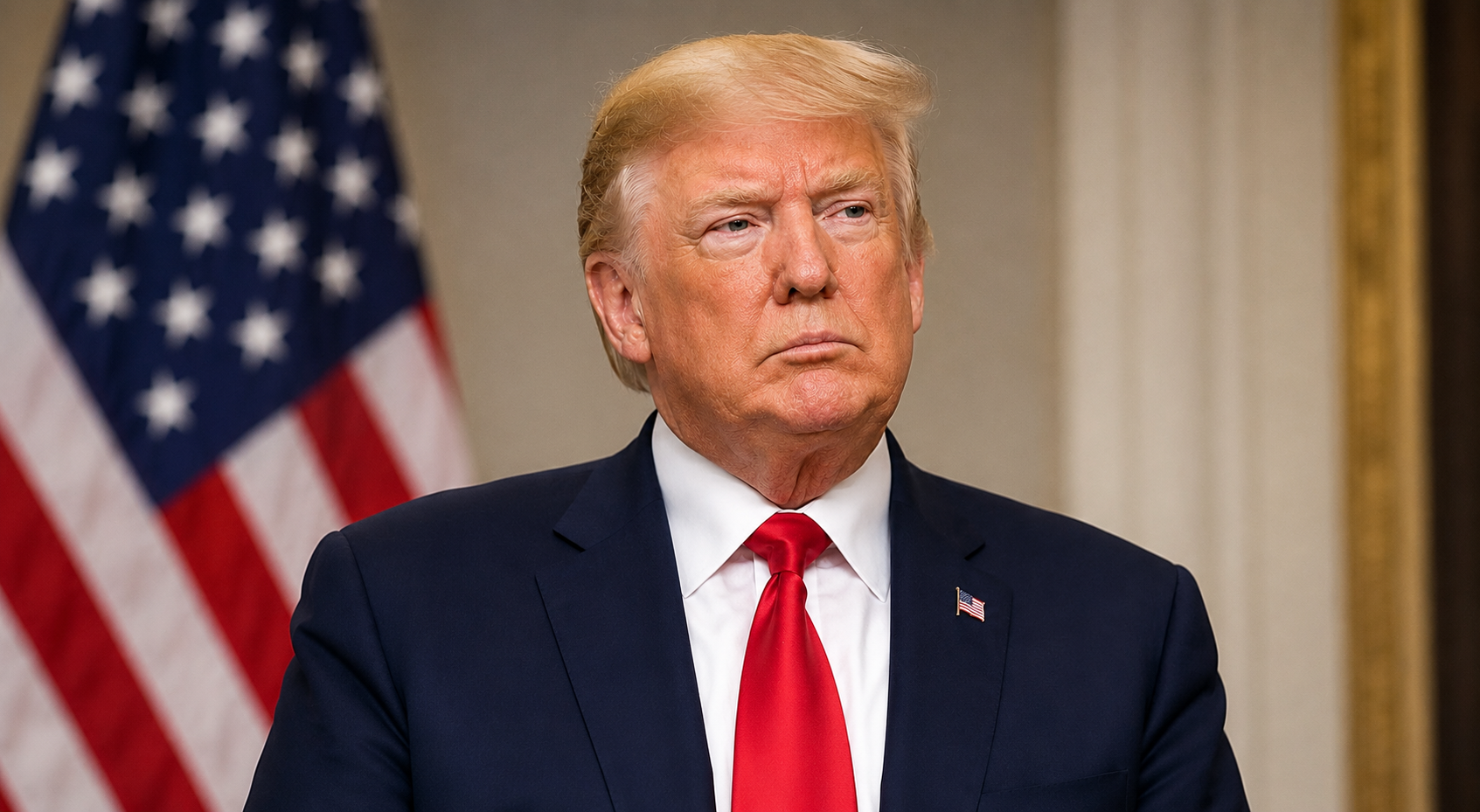
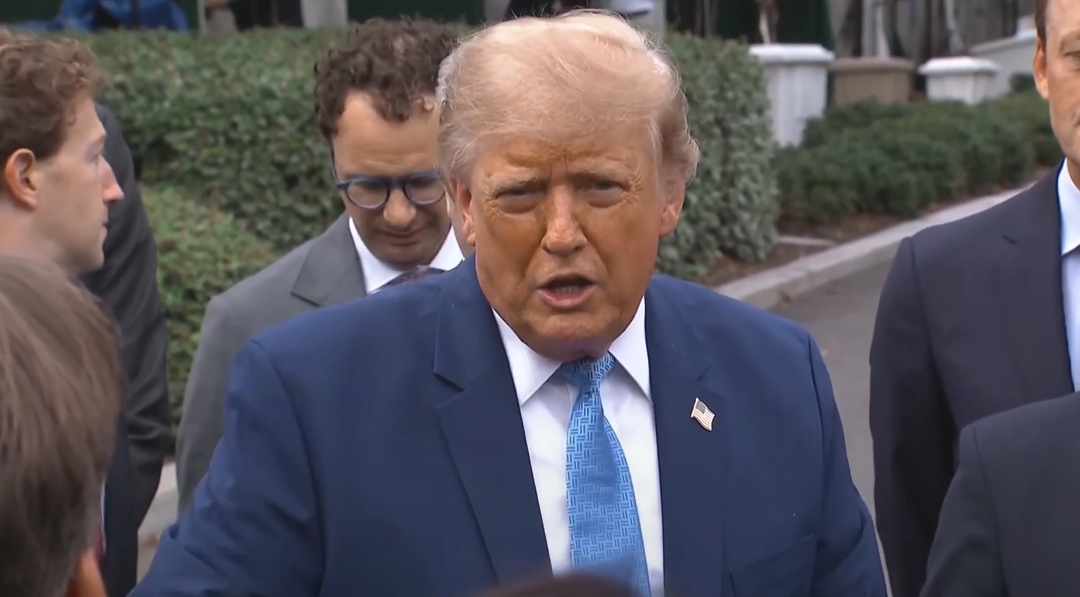
Tensions between the United States and Iran are rising again after peace talks showed little progress. US President Donald Trump warned that the “clock is ticking” for Iran and said the country must act fast to reach a deal.
Trump shared the warning on his Truth Social platform, saying Iran should “get moving, FAST” or there may be “nothing left of them.” His comments came after a phone call with Israeli Prime Minister Benjamin Netanyahu on Sunday.
The warning has increased fears that the conflict could become even more dangerous if talks fail completely.
Iranian media reports said Tehran is unhappy with the latest US response during negotiations. According to reports from Iranian news agencies, Iran believes Washington has not made any real compromises. Iranian officials reportedly warned that without flexibility from the US side, negotiations could reach a dead end.
The conflict between the two countries has already caused major problems across the Middle East. Fighting began earlier this year when Israeli and US forces launched large air strikes on Iranian targets on February 28. A ceasefire was later announced to allow peace talks to continue, and although the truce has mostly held, there have still been occasional attacks and exchanges of fire.
One of the biggest disagreements is Iran’s nuclear program. The United States wants Iran to reduce its nuclear activities and limit uranium enrichment. Reports say Washington also wants Iran to operate only one nuclear site and hand over its stockpile of highly enriched uranium.
Iran, however, says its nuclear program is peaceful and refuses to fully give it up. Tehran believes it has the right to continue nuclear development under its national sovereignty.
Trump recently appeared to soften his earlier position by suggesting he could accept a 20-year suspension of Iran’s nuclear program instead of demanding a permanent shutdown. Even with this possible compromise, both sides still remain far apart.
Iran has also made several demands of its own. Iranian officials reportedly want an immediate end to fighting across the region, including Israeli attacks linked to Iran-supported groups in Lebanon. Tehran is also demanding an end to the US naval blockade around Iranian ports.
Another major issue is the Strait of Hormuz, one of the world’s most important oil shipping routes. Around 20 percent of the world’s oil and liquefied natural gas passes through the narrow waterway.
Iran has maintained control over the strait during the conflict, effectively restricting some shipping activity. Tehran says this action is a response to US and Israeli attacks. The situation has pushed global oil prices higher and increased fears of economic problems worldwide.
The US has continued putting pressure on Iran through sanctions and naval actions. American forces are reportedly enforcing restrictions around Iranian ports to weaken Tehran economically and force it to accept Washington’s conditions.
Iran is also asking for compensation for damage caused during the war. Iranian officials say any final agreement must include guarantees that future attacks against Iran will not happen again.
The ongoing tensions have worried many countries in the region and around the world. Global markets are closely watching the talks because any escalation could further affect oil supplies and international trade.
Meanwhile, Pakistan has been trying to help both sides find a peaceful solution. Pakistani officials are reportedly acting as mediators between Washington and Tehran. However, despite these diplomatic efforts, experts say the two countries are still deeply divided on key issues.
Analysts believe the coming weeks will be very important. If talks continue to fail, there are concerns that military action could increase again. On the other hand, even a small compromise from either side could help reduce tensions and prevent a larger regional crisis.
For now, the ceasefire remains in place, but uncertainty continues. Both the US and Iran are standing firm on their demands, while the world watches closely to see whether diplomacy can prevent another major conflict in the Middle East.
Summary
US President Donald Trump has warned Iran that “time is running out” as peace talks to end the war remain stuck. Trump said Iran must move quickly or face serious consequences. Iran responded by saying the US has not offered fair compromises. The two sides continue to disagree on Iran’s nuclear program, sanctions, and control of the Strait of Hormuz. Rising tensions are also affecting global oil prices while mediation efforts by Pakistan continue.
Content

×
![]()