Russia Drone and Missile Attacks Hit Oil Refinery and Factories
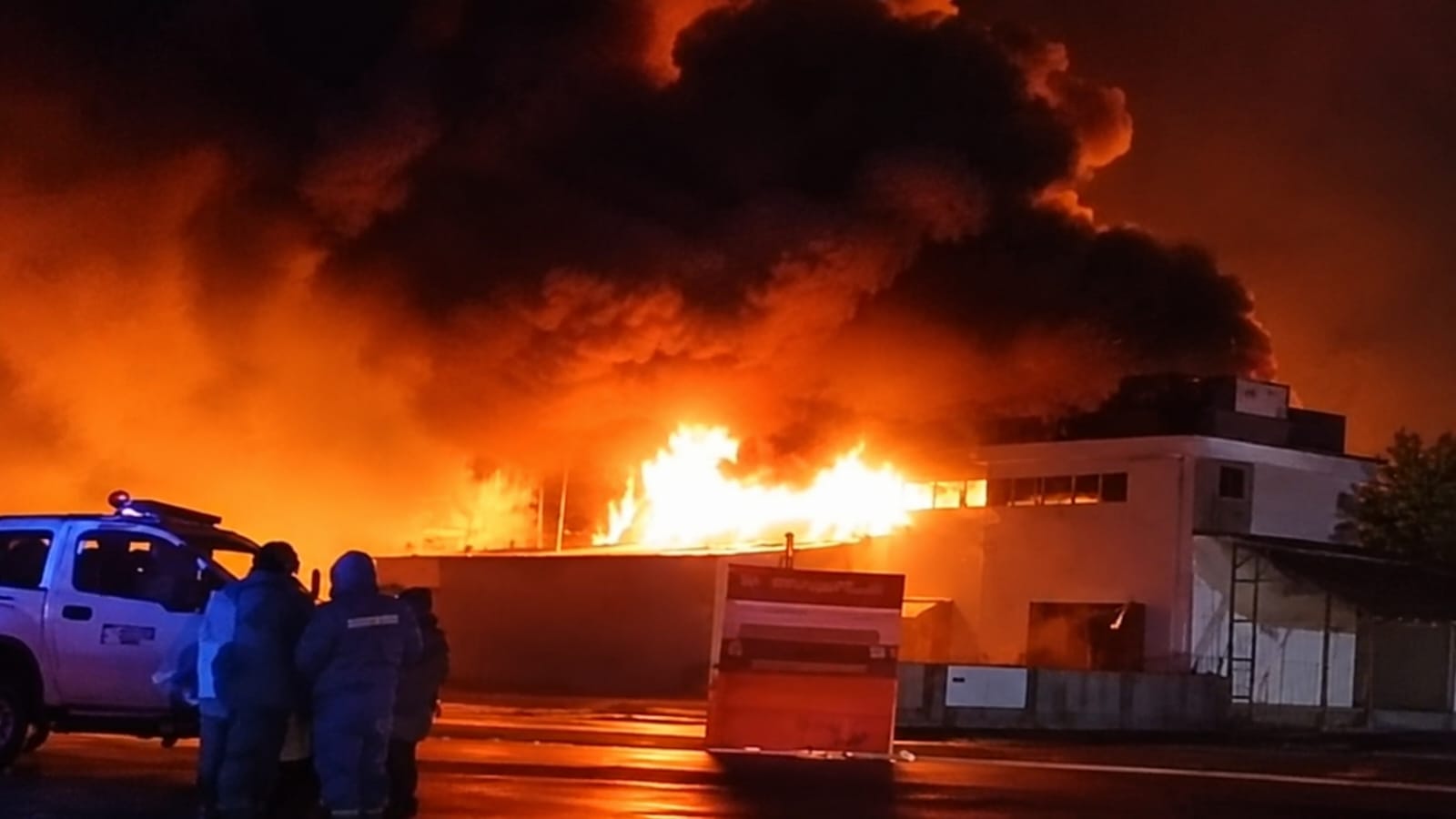
A series of overnight drone and missile attacks hit several factories, oil facilities, and warehouses in western Russia. Fires broke out at an oil refinery in Saratov and an industrial warehouse in Rostov. A technology factory in Oryol was also reportedly targeted.
The attacks focused on important facilities that support Russia's fuel supplies, industrial production, and transport networks.
Summary: Overnight drone and missile attacks targeted important facilities in western Russia. The reported targets included the Rosneft oil refinery in Saratov, an industrial warehouse in Rostov, and the Proton electronics plant in Oryol. Fires and damage at these sites could affect fuel supplies, industrial production, and supply chains. However, the full extent of the damage remains unclear.
Why the Saratov Oil Refinery Is an Important Target
One of the main reported targets was the Saratov oil refinery, owned by Russia's state energy company Rosneft.
Several drones reportedly reached the facility and caused a fire in its fuel-processing area. Oil refineries turn crude oil into petrol, diesel, and other fuel products.
Damage to these facilities can create serious problems because their equipment is expensive and difficult to repair. Some parts are also harder for Russia to obtain because of international sanctions.
Attacks on oil refineries can put pressure on Russia's fuel industry. They may also force the country to move more air defense systems to protect important factories and energy facilities.
Three locations were particularly important in these reported attacks:
- Saratov: The Rosneft oil refinery, which produces fuel and other oil products.
- Oryol: The Proton electronics plant, which produces electronic components.
- Rostov: An industrial warehouse that reportedly stored plastics and industrial oils.
Damage to these facilities could create problems for different parts of Russia's economy.
Attack on the Proton Electronics Plant in Oryol
A missile strike was also reported in the Oryol region, where the Proton electronics factory was identified as a possible target.
The factory produces electronic components used in different types of equipment and industrial products.
These components are important because modern machines and technology depend on electronic parts to operate.
International sanctions have made it harder for Russia to obtain some advanced electronic components from foreign suppliers. This makes domestic manufacturers more important.
If the Proton plant suffers serious damage or stops production for a long time, other factories could face difficulties getting the parts they need.
However, the full extent of the damage to the facility has not been independently confirmed.
Large Fires Reported in Rostov and Belgorod
Rostov-on-Don also experienced a major fire at an industrial warehouse.
The building reportedly stored plastics, industrial oils, and other materials. The fire spread across an area of around 8,000 square meters before emergency teams worked to bring it under control.
Rostov is an important transport and supply center in southern Russia. Damage to large warehouses can affect the storage and movement of industrial materials.
Meanwhile, explosions and air defense activity were also reported in Belgorod, a city close to the Ukrainian border.
These incidents show how attacks across different locations can put pressure on emergency services and air defense systems.
What Could Happen Next?
The attacks could create additional challenges for Russia's energy and manufacturing industries.
Factories and oil facilities may need stronger protection against drones and missiles. This could include better radar systems, warning equipment, and physical protection around important buildings.
The long-term impact will depend on how much damage the facilities have suffered and how quickly repairs can be completed.
The Saratov refinery's ability to return to normal production and the Proton plant's manufacturing capacity will be important developments to watch.
For now, these reported attacks highlight the growing importance of energy facilities, factories, and supply centers in the ongoing Russia-Ukraine conflict.
Source:
Vetted reporting by the Fyrim editorial team, supported by local emergency announcements and open-source satellite data.