
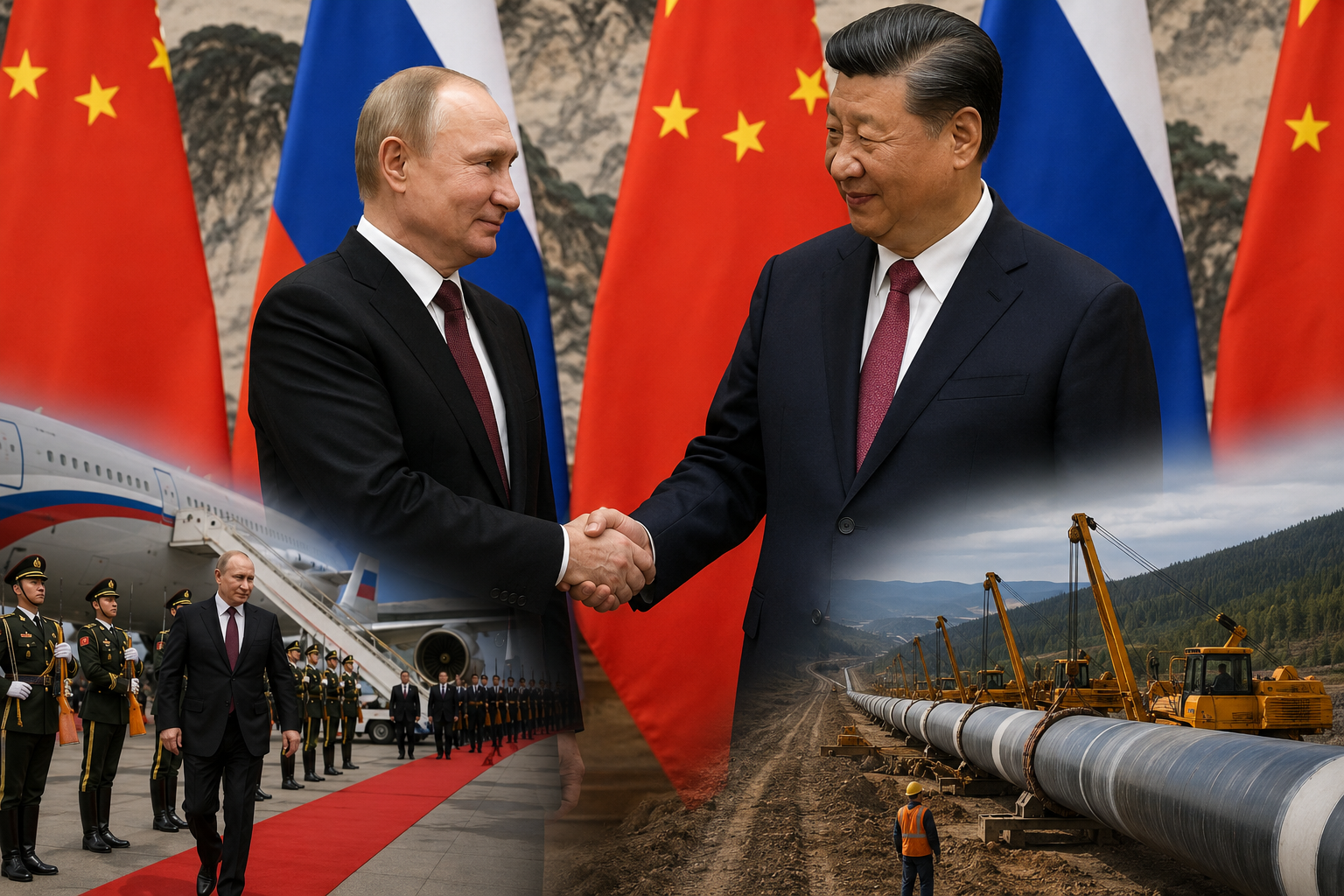
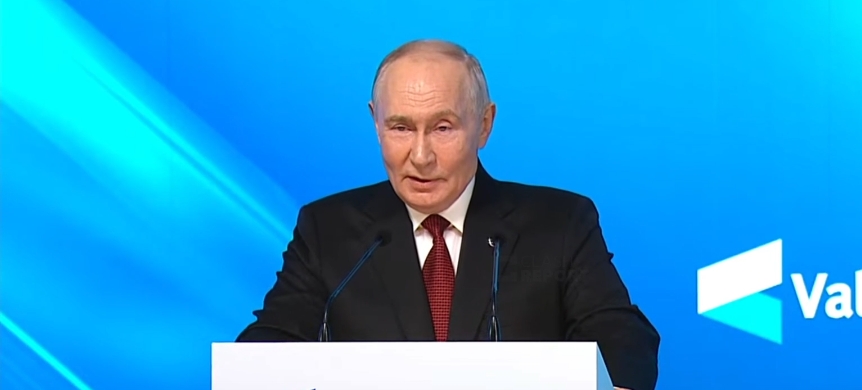
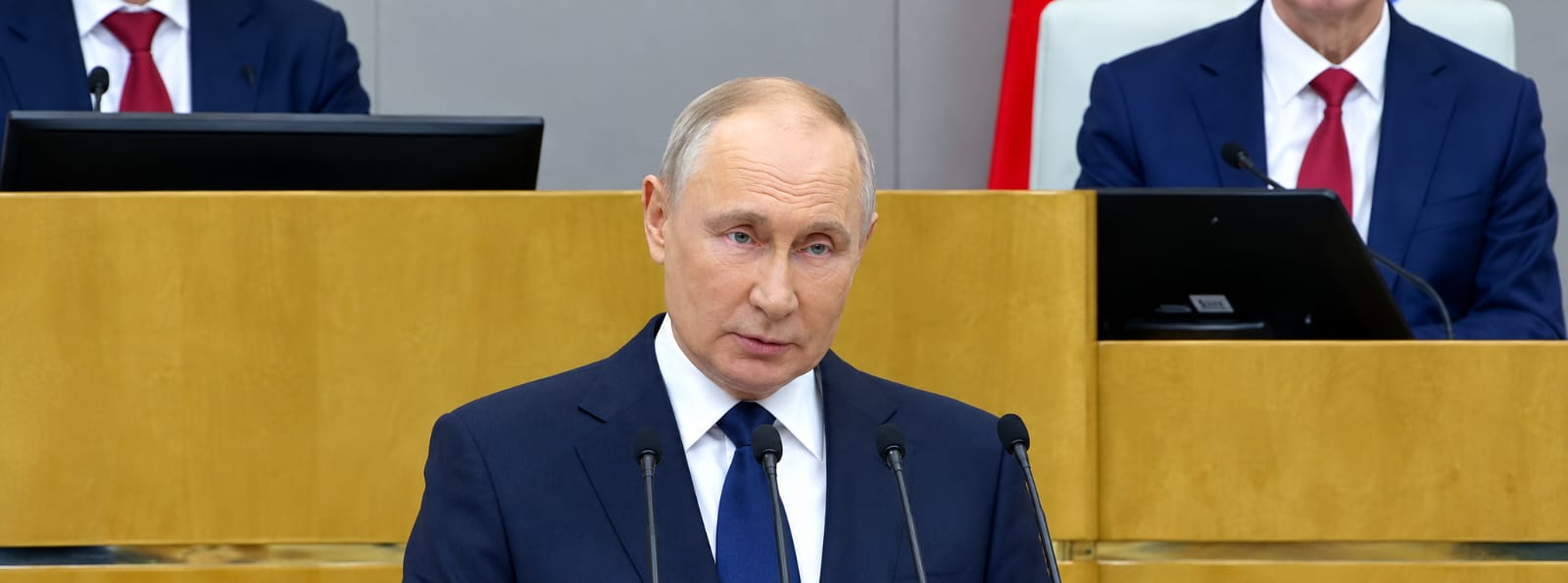
Russian President Vladimir Putin has arrived in China for important talks with Chinese President Xi Jinping, only a few days after former US President Donald Trump visited the country.
The meeting highlights the growing relationship between China and Russia at a time of rising global tensions and uncertainty. Leaders from both countries are expected to focus on energy security, international conflicts, and ways to strengthen their political and economic partnership.
One of the biggest issues on the agenda is the proposed “Power of Siberia 2” gas pipeline. The project would transport Russian natural gas to China through Mongolia. Russia strongly wants the pipeline to move forward because it would help Moscow sell more energy to China after Western countries reduced imports from Russia following the war in Ukraine.
However, the project has faced delays for several reasons. Reports say China and Russia have disagreed over gas prices and contract terms. China has also been cautious about depending too heavily on one country for its energy needs. Beijing already imports large amounts of Russian oil and gas, but it prefers to keep multiple energy suppliers to protect its economy and energy security.
Putin hopes the current crisis in the Middle East may encourage China to deepen energy cooperation with Russia. The ongoing war involving Iran and the continued closure of the Strait of Hormuz have raised fears about disruptions to global oil and gas supplies. The Strait of Hormuz is one of the world’s most important shipping routes for energy exports, and any disruption there can affect global markets.
Russia believes this situation may make China more willing to approve the pipeline and buy more Russian energy. Moscow sees China as one of its most important economic partners, especially as Western sanctions continue to pressure the Russian economy.
The leaders are also expected to discuss major international conflicts, including the wars in Ukraine and the Middle East. Xi is likely to update Putin about his recent discussions with Trump and other international leaders. China has tried to present itself as a country willing to speak with all sides during global crises.
China views Russia as a key strategic partner and an important counterbalance to the United States. Both countries support the idea of a “multipolar world,” meaning a global system where power is shared among several major countries instead of being dominated mainly by Washington.
Russia has also strongly supported China on sensitive political issues, including Taiwan. Beijing considers Taiwan part of China, while many Western countries support Taiwan’s democratic government and security.
Over the years, Xi and Putin have developed a close personal relationship. Xi once described Putin as a “very close and intimate friend.” Their governments have increased cooperation in trade, military exercises, and diplomacy.
However, China’s close relationship with Russia has also created problems for Beijing, especially with European countries. Many European leaders remain critical of Russia’s invasion of Ukraine, and some worry China is becoming too supportive of Moscow.
Because of this, Xi faces a difficult diplomatic balancing act. On one side, he wants to keep Russia close as an important strategic ally. On the other side, he also wants to maintain stable economic and political relations with Europe and avoid appearing fully aligned with Russia’s actions in Ukraine.
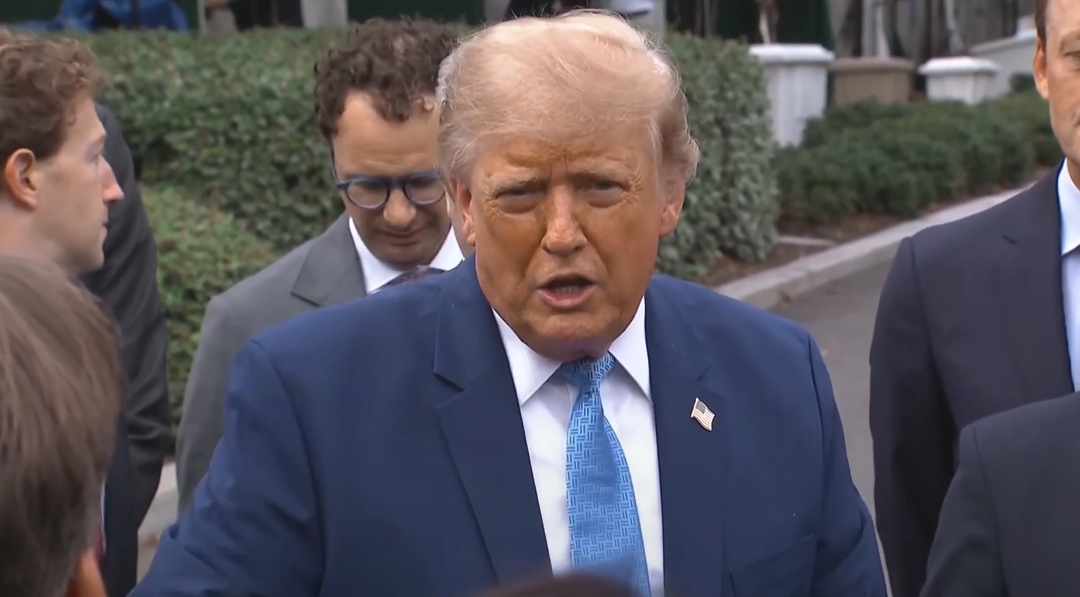
The timing of the meetings is also important. By hosting Trump one week and Putin the next, Xi appears to be sending a message that China can communicate with different world powers and play a major role in international diplomacy.
Analysts say China wants to present itself as a global power capable of talking to all sides, whether allies, rivals, or competitors. Beijing hopes this image will strengthen its influence in world affairs as tensions continue to grow between major countries.
The talks between Xi and Putin are expected to continue over the next few days, with both leaders likely to announce agreements on trade, energy cooperation, and regional security. Observers around the world will be watching closely to see whether the visit leads to progress on the Power of Siberia 2 pipeline and deeper cooperation between the two countries.
Summary
Russian President Vladimir Putin has arrived in China just days after Donald Trump’s visit. Putin and Chinese President Xi Jinping are expected to discuss energy security, global conflicts, and stronger cooperation between their countries. A major topic is the proposed Power of Siberia 2 gas pipeline, which Russia hopes China will support as tensions in the Middle East affect global energy supplies.
Content
×
![]()