
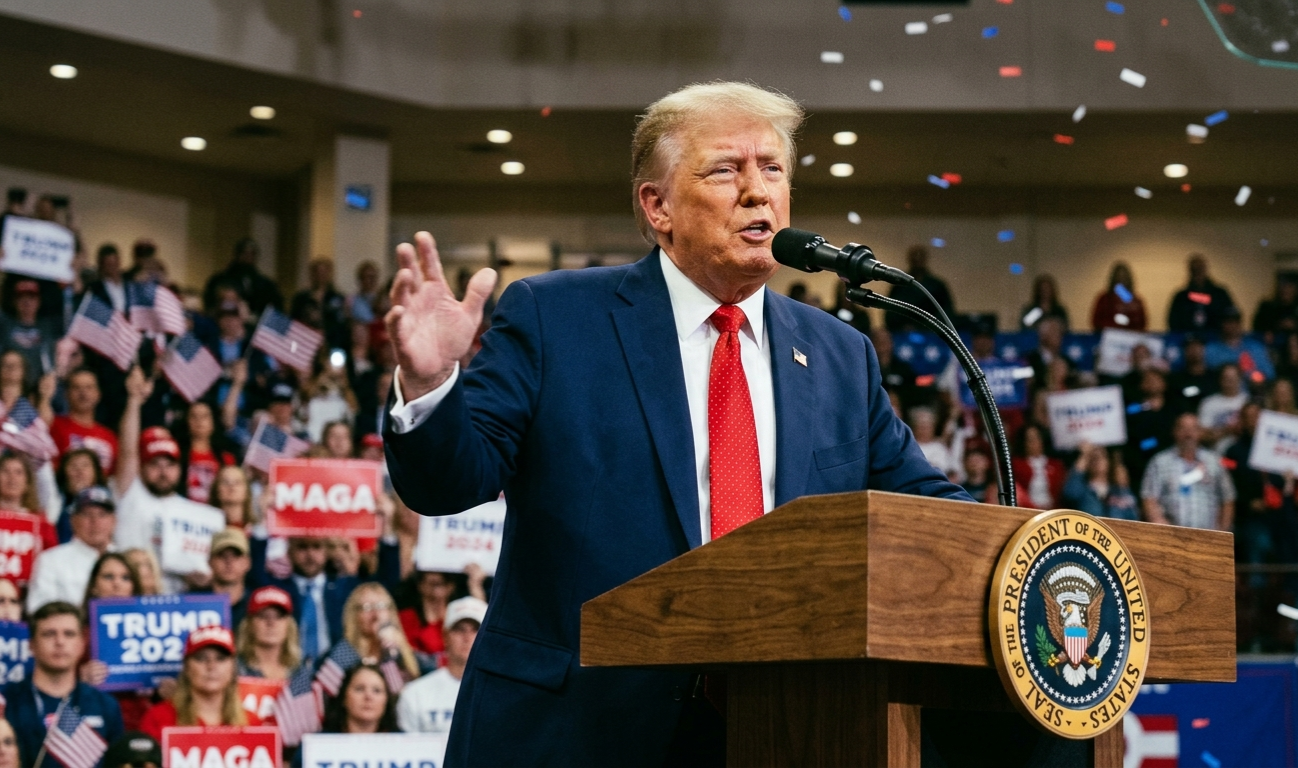
US President Donald Trump has reportedly said there is a “50/50” chance that the United States and Iran will either reach a peace agreement or return to military conflict.
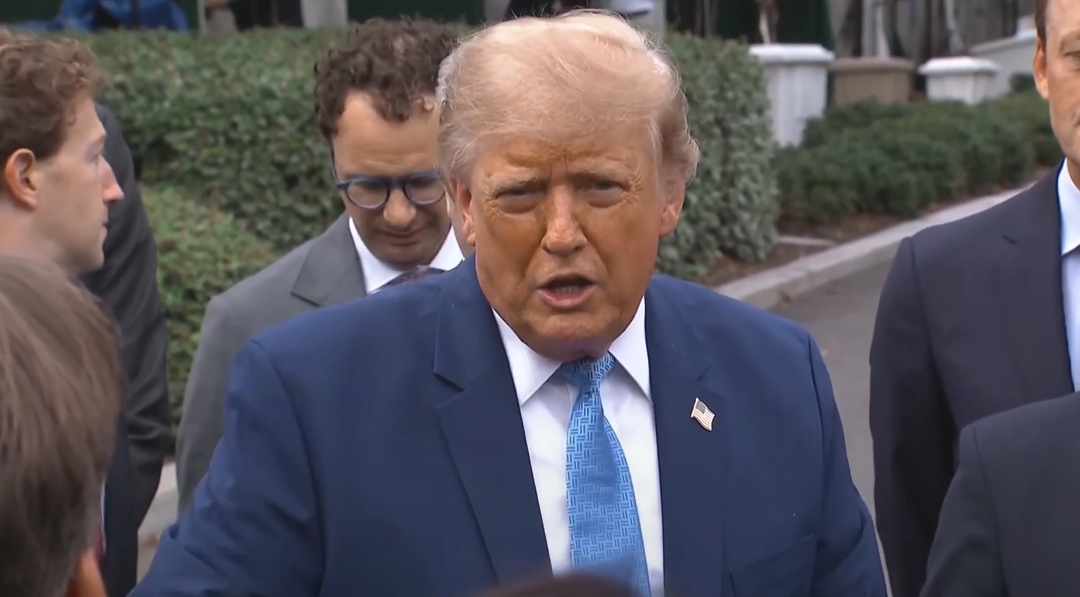
According to Axios reporter Barak Ravid, Trump spoke by phone about the ongoing negotiations and admitted that the situation remains highly uncertain. The US president reportedly said there are only two possible outcomes: either a “good deal” will be signed with Iran, or the United States will launch even stronger military strikes.
Trump reportedly said, “I think one of two things will happen: either I hit them harder than they have ever been hit, or we are going to sign a deal that is good.”
The comments come during a period of intense diplomatic activity involving several Middle Eastern countries trying to prevent another major regional war. Trump is expected to meet senior advisers later today, including special envoys Steve Witkoff and Jared Kushner, along with Vice President JD Vance, to discuss the next steps in negotiations with Iran.
Trump acknowledged divisions within political and military circles in Washington over how to deal with Tehran. According to him, some officials strongly support reaching a diplomatic settlement, while others believe military pressure should continue.
The president also rejected reports suggesting Israeli Prime Minister Benjamin Netanyahu is worried about the possibility of a US-Iran agreement. Trump insisted that discussions with allies are continuing despite growing tensions.
At the same time, analysts say the situation remains extremely unpredictable. Setareh Sadeqi, an assistant professor at the University of Tehran, told Al Jazeera that there appears to be strong regional support for a peaceful agreement between Iran and the United States.
She explained that countries across the Middle East want to avoid another devastating war that could damage regional economies, increase oil prices, and create wider instability.
However, Sadeqi also warned that public statements from all sides remain “very contradictory.” While officials are talking about progress in negotiations, military threats are still being openly discussed at the same time.
“We’re seeing both parties talking about being very close, but at the same time being far,” she said, adding that military action could still happen within days or even hours if talks collapse.
Earlier this week, Trump himself suggested that he was close to restarting military action against Iran before regional allies encouraged him to continue diplomacy instead. According to reports, leaders from Qatar, Saudi Arabia, and the United Arab Emirates urged Washington to avoid another escalation and keep negotiations alive.
These Gulf countries are believed to be playing an important role behind the scenes by encouraging communication between Tehran and Washington. Many regional governments fear that a larger war would severely affect trade, oil exports, and security across the Middle East.
Despite the diplomatic efforts, several important disagreements reportedly remain unresolved. Pakistani officials involved in discussions have reportedly said some major issues still need to be settled before any final agreement can be announced.
The uncertainty has kept global markets nervous, especially energy markets. Investors remain concerned that any renewed fighting involving Iran could disrupt oil shipments through the Strait of Hormuz, one of the world’s most important shipping routes for oil and gas exports.
Higher oil prices have already become a growing political issue inside the United States. Rising fuel costs are increasing pressure on the White House as Americans worry about inflation and the broader economic impact of another Middle East conflict.
Political analysts say Trump is facing a difficult balancing act. On one hand, he wants to appear strong against Iran and maintain pressure on Tehran. On the other hand, a prolonged war could damage the US economy and hurt his political support ahead of important elections.
Meanwhile, Iran continues to signal that it is willing to negotiate, but officials in Tehran have also warned that the country is prepared to respond strongly to any new military attacks.
The current situation has left much of the international community in a wait-and-see position. Diplomats, investors, and regional governments are closely watching whether negotiations will produce a breakthrough or whether tensions will once again turn into open conflict.
For now, both diplomacy and the threat of war appear to remain equally possible outcomes as talks continue behind closed doors.
Summary
US President Donald Trump says there is an equal chance of reaching a peace agreement with Iran or restarting military action, as negotiations continue amid growing regional tensions and mixed signals from both sides.
Content
×
![]()