
Iranian leaders have responded strongly after US President Donald Trump said that a deal between the United States and Iran had been “largely negotiated.”
Instead of directly celebrating possible peace talks, Iranian officials turned to history to send a message that Iran has survived powerful enemies before and will continue to resist outside pressure.
Officials in Tehran compared today’s conflict with historic wars and invasions faced by Persia, the ancient empire that later became modern-day Iran. Their message was clear: Iran sees itself as a smaller but determined nation standing against stronger global powers.
One of the main historical examples used by Iran was the story of the Roman Empire’s conflict with Persia during the third century. Iran’s Foreign Ministry spokesman, Esmaeil Baghaei, mentioned how Roman forces once invaded Persian lands but were later forced to negotiate.
Baghaei also shared images connected to Roman Emperor Valerian, who was captured by Persian King Shapur I in the year 260. Iranian leaders often use this moment in speeches and social media to encourage nationalism and unity during times of tension.
The timing of these comments was also important because Iran was marking the anniversary of the recapture of Khorramshahr during the Iran-Iraq War.
Khorramshahr is a city in southwestern Iran that became a major symbol of resistance after Iranian forces took it back from Iraqi troops in 1982. The battle was one of the bloodiest during the eight-year war between Iran and Iraq from 1980 to 1988.
Every year, the Iranian government remembers the event as a symbol of sacrifice, determination, and victory against invasion.
Iranian officials linked the current tensions with the US and Israel to that historic battle. They said Iran’s modern struggle is similar to the fight during the Iran-Iraq War.
Islamic Revolutionary Guard Corps commander Ahmad Vahidi said the liberation of Khorramshahr remains a model for future victories in the region. He also connected the conflict to Iran’s support for groups opposing Israel.
Iranian President Masoud Pezeshkian wrote on social media that today’s “Khorramshahr” is the Persian Gulf and the Strait of Hormuz. He said resistance and defending the country are deeply rooted in Iranian culture.
The Strait of Hormuz has become one of the most important issues in the current crisis. Around one-fifth of the world’s oil shipments normally pass through the narrow waterway. Iran has threatened or partially blocked shipping routes there during the conflict, causing global concern about oil prices and trade.
Meanwhile, former Iranian official Mohammad Mokhber compared Trump to former Iraqi leader Saddam Hussein. He said both leaders underestimated Iran’s strength when entering conflict with the country.
Iranian negotiator Kazem Gharibabadi said every nation has the right to defend itself under international law. He added that Iran wants peace, but only with dignity and strength.
At the same time, Iran is also preparing its people for the possibility of an agreement with the United States. Iranian leaders are trying to show that any deal would happen because Iran stayed strong under pressure, not because it surrendered.
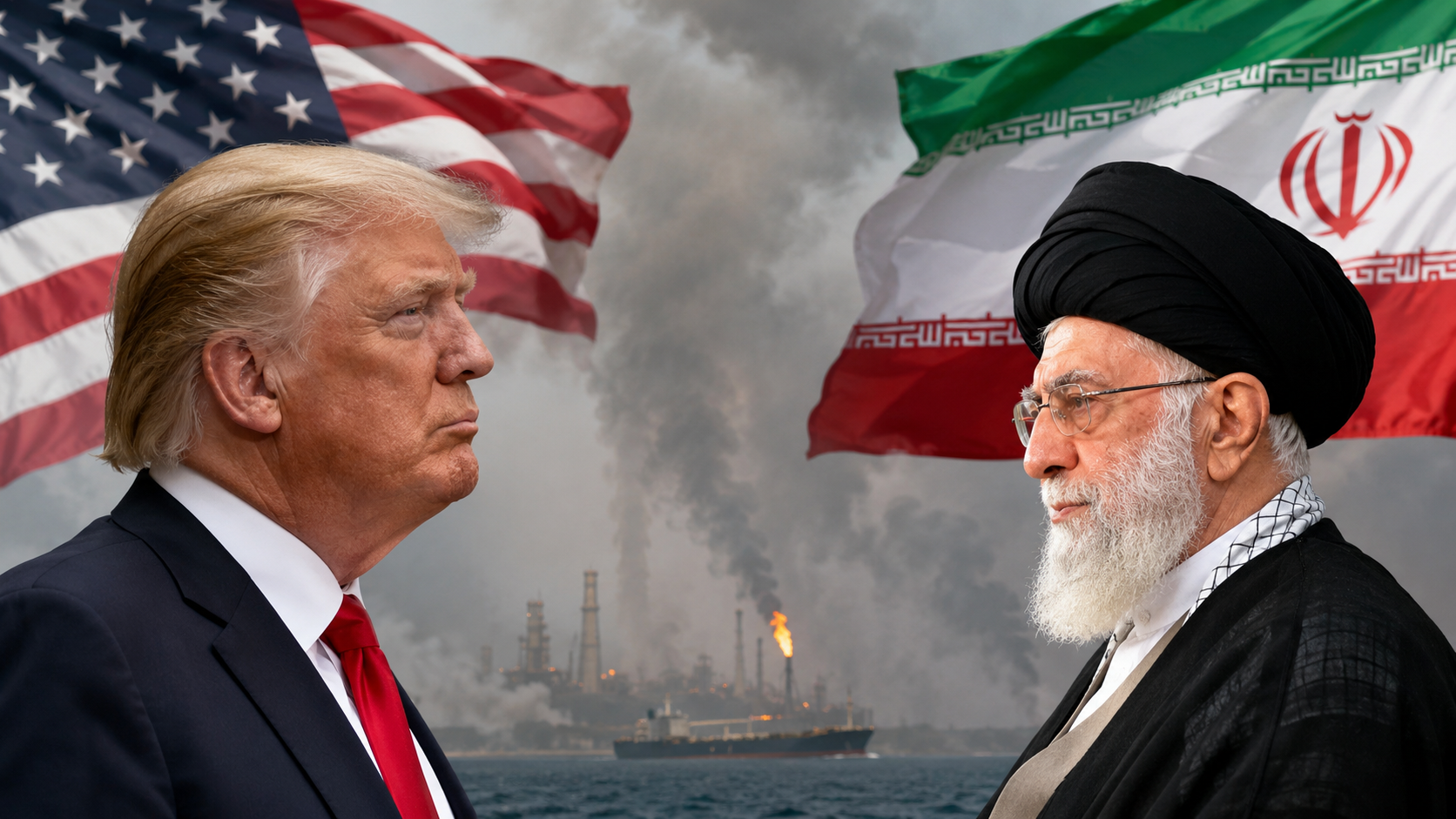
Trump recently posted an image online showing the US flag covering a map of Iran with the words “United States of the Middle East?” The post caused anger in Tehran.
In response, several Iranian embassies shared an edited image showing the Iranian flag covering the United States with the phrase “United States of Iran?”
The exchange highlighted how both countries are using social media, nationalism, and symbolism during negotiations and conflict.
The Trump administration reportedly wants Iran to stop uranium enrichment for a long period and remove highly enriched nuclear material from the country. Washington also wants the Strait of Hormuz reopened fully for international shipping without Iranian control or tolls.
Iran, however, says it will not give up its sovereignty or nuclear rights completely.
Israeli leaders have mostly stayed quiet publicly about a possible US-Iran agreement, though reports suggest some Israeli officials want military operations against Iran to continue.
The conflict between the United States, Israel, and Iran has now lasted more than two months, causing major regional tensions, economic pressure, and fears of a wider Middle East war.
As the world waits for news of a possible agreement, Iran’s leaders are using history to remind citizens that the country has survived wars, invasions, sanctions, and international pressure before.
For many in Tehran, the message is not only about the past — it is also about showing strength ahead of whatever comes next.
Summary
Iranian leaders are using famous moments from their country’s history to respond to US President Donald Trump after he said a deal between the United States and Iran is close.
Iran says its history proves the country has always resisted foreign pressure and invasions. Officials compared today’s tensions with past wars against powerful enemies, including the Roman Empire and the Iran-Iraq War. Both Tehran and Washington are trying to present any future agreement as a victory.
Content

×
![]()