
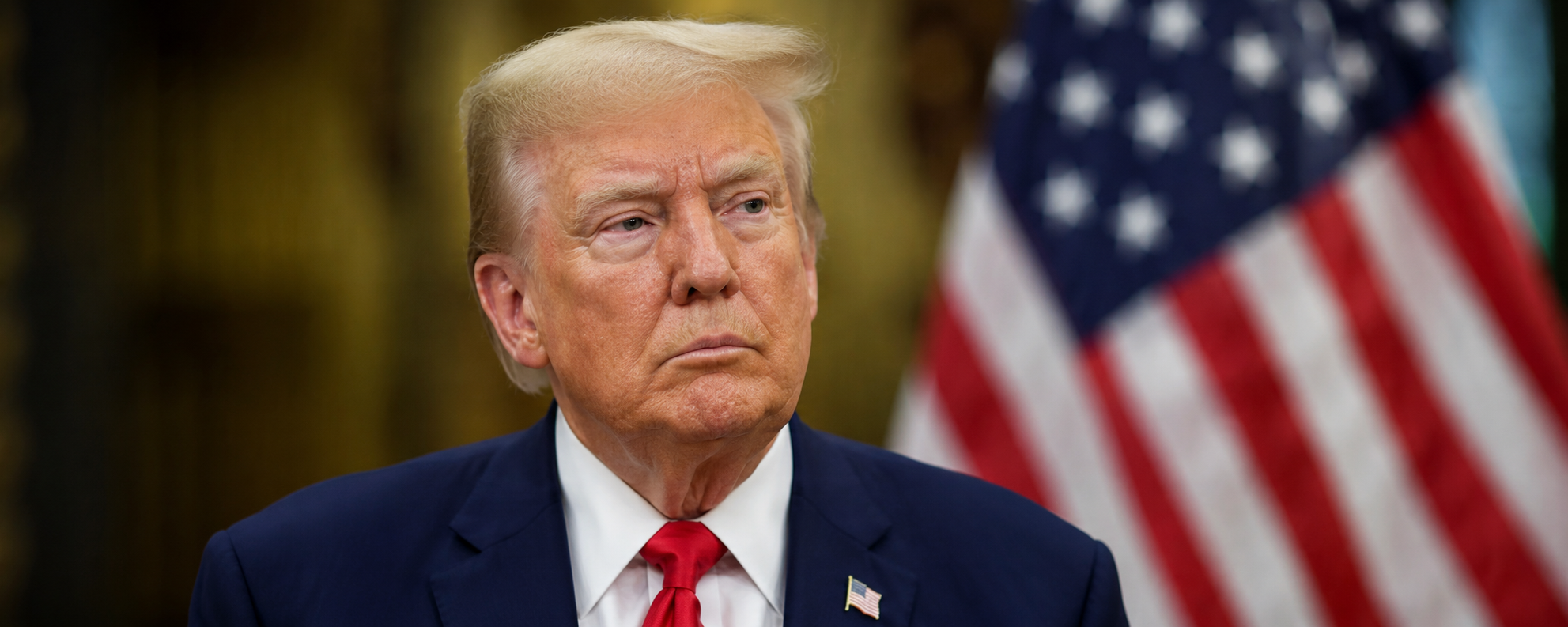
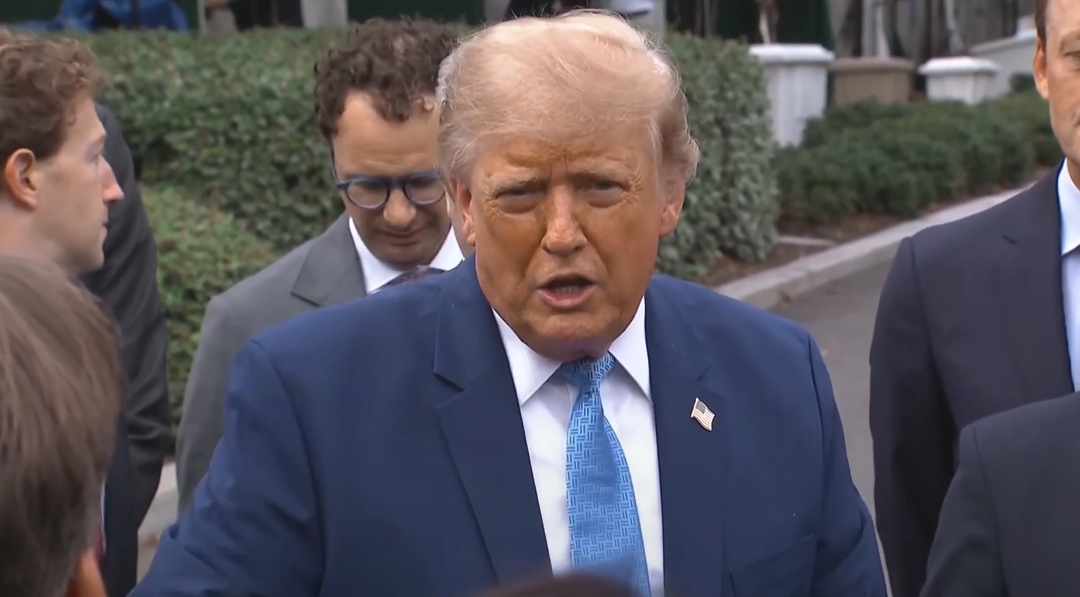
US President Donald Trump has said that American negotiators should not rush into a deal with Iran, even though talks between the two countries appear to be moving forward.
Speaking about the ongoing crisis, Trump said “time is on our side” and added that the United States would keep pressure on Iran until a final agreement is fully completed and signed.
One of the biggest points of tension remains the Strait of Hormuz, one of the world’s most important oil shipping routes. Trump confirmed that the US blockade in the area will continue for now.
The Strait of Hormuz is extremely important because around one-fifth of the world’s oil passes through it. Any disruption there can quickly affect global oil prices and international trade.
Trump’s latest comments show that although both sides are discussing peace, the threat of renewed military conflict still exists.
According to reports from Washington, US officials continue to leave open the possibility of launching military strikes if negotiations fail or tensions rise again.
At the same time, both the US and Iran are trying to present themselves as strong during negotiations. Iran says it will not surrender to foreign pressure, while the Trump administration wants strict limits on Iran’s nuclear activities and regional influence.
The White House reportedly wants Iran to stop uranium enrichment for a long period and allow international monitoring of its nuclear program. Washington also wants free international shipping through the Strait of Hormuz without Iranian restrictions.
Iran, however, insists that it has the right to peaceful nuclear activities and says any agreement must respect the country’s sovereignty.
The uncertainty around the negotiations is also affecting global oil markets. Oil prices fell sharply after investors worried that a long crisis in the Strait of Hormuz could damage the global economy.
Brent crude prices dropped by more than four percent, while US crude oil prices also fell significantly during international trading.
Experts say markets are reacting to fears that continued tension between Washington and Tehran could hurt trade routes, increase shipping costs, and slow economic growth worldwide.
Meanwhile, life in countries affected by regional conflict continues under difficult conditions.
In Beirut, many people are still struggling with the effects of war, political instability, and economic crisis. A report from a Beirut barbershop showed how ordinary citizens are trying to continue daily life despite years of hardship.
Barbershop owner Mario Habib said many customers now come not only for haircuts, but also for conversation, comfort, and a feeling of normal life in difficult times.
The ongoing tensions between the US, Iran, and Israel continue to create uncertainty across the Middle East. Many people fear that if negotiations collapse, the region could face another major war.
At the same time, diplomats are still trying to reach a deal that could reduce tensions and reopen important trade and shipping routes safely.
Trump recently suggested that “final aspects” of a possible agreement could be announced soon, but his latest remarks show the United States wants to maintain pressure on Iran until every condition is accepted.
For now, the world continues to watch closely as negotiations continue, oil markets react, and fears of a wider regional conflict remain high.
Summary
US President Donald Trump says American negotiators have been told “not to rush” into a peace agreement with Iran, adding that the US believes “time is on our side.”
Trump also warned that the US naval blockade in the Strait of Hormuz will remain active until a final agreement is officially signed. The comments come as fears continue over a possible return to war in the Middle East.
Content

×
![]()