
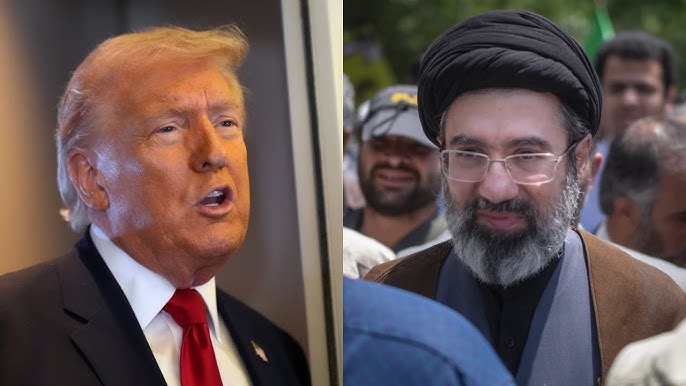
Iran and the United States are continuing indirect negotiations in hopes of reaching a new understanding, but no major breakthrough appears close as tensions remain high across the region. The talks are taking place while both sides continue exchanging accusations, military actions and political pressure.
The latest tensions came after the US military said it struck Iranian missile launch sites and boats accused of placing mines in southern waters near the Strait of Hormuz. Iranian state media reported that Iranian forces responded and that several casualties were recorded. Despite the clashes, the fragile ceasefire that began in April has not fully collapsed.
In Tehran, financial markets appear hopeful that negotiations could eventually lead to an agreement with Washington. Iran’s national currency, the rial, has slightly improved against the US dollar this week, while the Tehran Stock Exchange has also recovered some recent losses.
However, many ordinary Iranians remain worried about the future. Years of sanctions, inflation, war damage and economic problems have already placed heavy pressure on daily life. Prices of food, medicine, electronics and imported products continue to rise sharply across the country.
Shop owners and business workers say uncertainty has badly affected markets. Many products that were once imported through the United Arab Emirates are now harder to find after relations between Tehran and the UAE worsened during the conflict. Iranian missile attacks on the UAE earlier in the war further damaged trade ties between the two countries.
The Iranian government is now mainly focused on securing essential goods such as food and medicine. Officials say there are no major nationwide shortages yet, but inflation continues to hurt average families and reduce purchasing power.
At the same time, many industries damaged during the war will require years of rebuilding. Iran’s economy has also suffered from a long internet shutdown imposed by authorities during the conflict. The restrictions disrupted businesses, online services and jobs across the country.
Iranian President Masoud Pezeshkian reportedly ordered preparations to restore full internet access, but restrictions were still largely in place on Tuesday.
Public opinion inside Iran appears divided over the ongoing talks with the US. Some citizens believe even a temporary agreement could reduce economic pressure and improve stability. Others fear that any deal would only provide short-term relief while tensions continue in the future.
Hardline politicians and media outlets inside Iran are also debating how far Tehran should compromise during negotiations. Some conservative figures argue that Iran’s position has become stronger after surviving weeks of attacks and maintaining pressure in the Strait of Hormuz.
Iranian lawmaker Mahmoud Nabavian said reopening the Strait of Hormuz should not happen unless all sanctions and blockades against Iran are fully lifted.
Meanwhile, diplomatic tensions remain high after the United States reportedly denied Iranian Foreign Minister Abbas Araghchi a visa to attend a United Nations Security Council meeting in New York.
Despite the uncertainty, many people in Iran hope diplomacy can prevent another major escalation. Analysts warn that continued instability in the Gulf region could further damage the global economy, increase oil prices and deepen hardships for millions already struggling with rising living costs.
Summary
Iran and the United States are continuing indirect negotiations despite fresh military clashes and growing distrust. While markets in Tehran are showing signs of optimism, many Iranians remain uncertain about whether a deal will truly improve daily life and end economic pressure.
Content

×
![]()