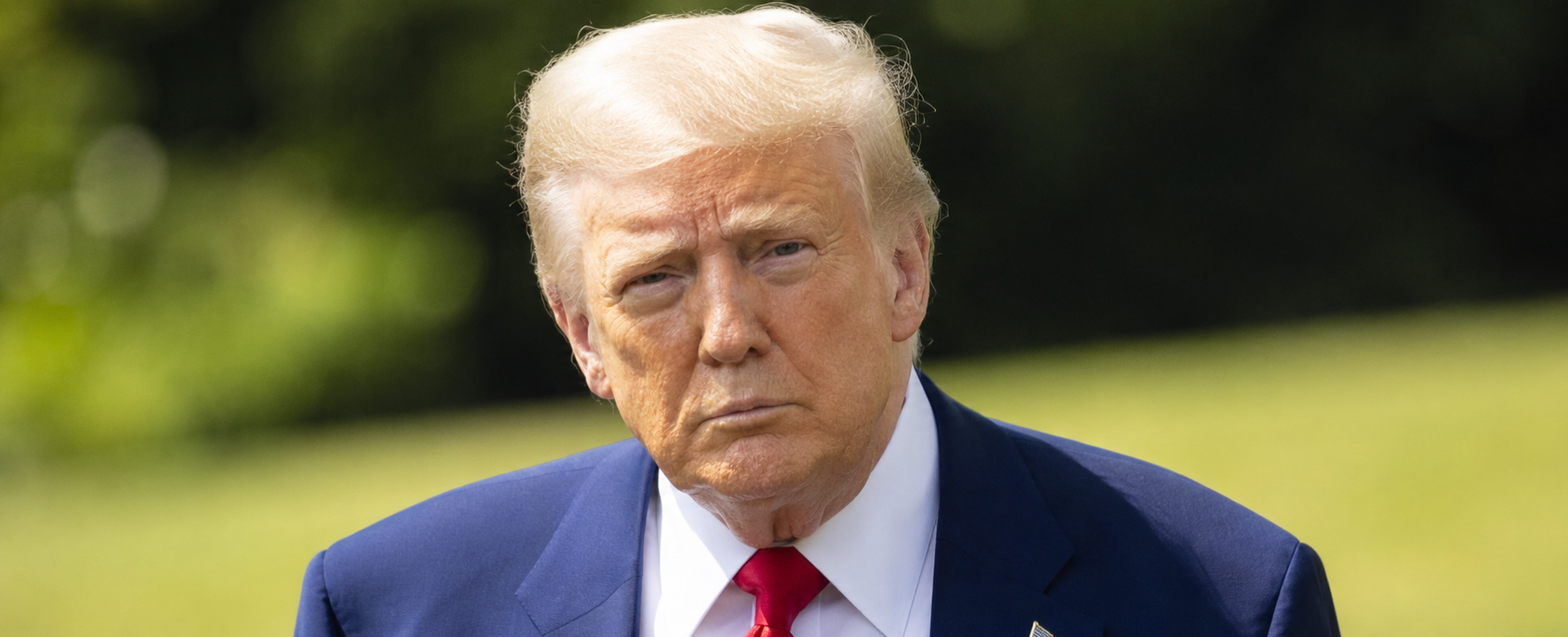
US President Donald Trump has said the United States is still “not satisfied” with the current terms being discussed in negotiations with Iran, despite ongoing talks aimed at ending months of conflict in the Middle East.
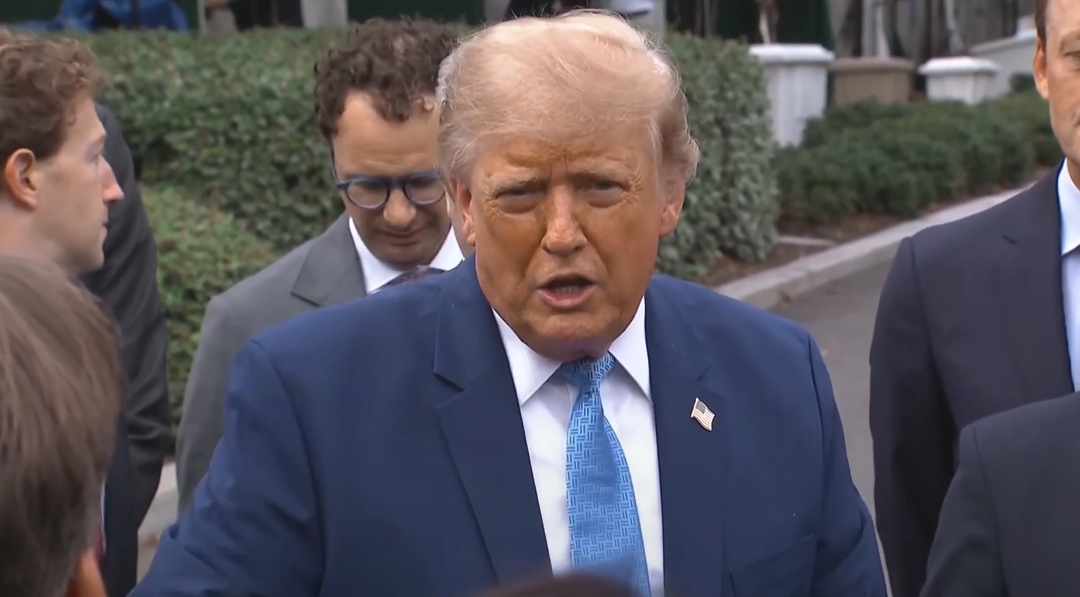
Speaking during a cabinet meeting at the White House, Trump said Iran appears determined to reach an agreement but warned that Washington could restart military strikes if negotiations fail.
“They want very much to make a deal,” Trump told reporters. “So far, they haven’t gotten there and we’re not satisfied with it.”
The comments came after Iranian state television reported details of what it claimed was a draft framework for a possible peace agreement between Tehran and Washington. According to the report, the proposed deal would include reopening the Strait of Hormuz to normal commercial shipping and the withdrawal of US forces from areas surrounding Iran.
However, the White House quickly rejected the reported draft, calling it a “complete fabrication”.
The Strait of Hormuz remains one of the most important oil shipping routes in the world. The waterway has been at the center of rising tensions since the conflict between Iran, the United States and Israel escalated earlier this year.
The US and Israel launched major strikes against Iran on February 28, leading Tehran to retaliate with attacks against Israel and US-allied countries in the Gulf region. Iran also disrupted shipping traffic in the Strait of Hormuz, causing global oil prices to rise sharply.
Although a ceasefire was reached in April, tensions have continued with occasional military exchanges and growing political pressure on both sides.
US Secretary of State Marco Rubio said there had been “some progress” in negotiations but added that important disagreements still remain unresolved.
Neither US nor Iranian officials have publicly confirmed the exact details being discussed. Iranian media reports suggested the proposed framework included lifting the US naval blockade on Iranian ports in exchange for Iran restoring shipping traffic through Hormuz within one month.
The reports did not mention Iran ending its nuclear programme or giving up its stockpile of highly enriched uranium — issues that remain major concerns for Washington and its allies.
Trump also denied reports that the US was considering easing sanctions on Iran or allowing countries like Russia and China to remove Iran’s enriched uranium supplies.
“Nobody will control the Strait of Hormuz,” Trump said, insisting the waterway should reopen immediately.
Meanwhile, the conflict continues to affect civilians across the region. Recent US strikes on Iranian missile sites and military boats were described by Washington as “self-defence” actions aimed at protecting American troops. Tehran condemned the attacks as violations of the ceasefire agreement.
The ongoing uncertainty has increased fears of another wider regional escalation. Analysts say a successful agreement could help stabilize oil markets, reduce military tensions and prevent further economic damage across the Middle East and beyond.
 FYRIM
FYRIM
FYRIM v1.0.7
•
© 2026 All rights reserved