
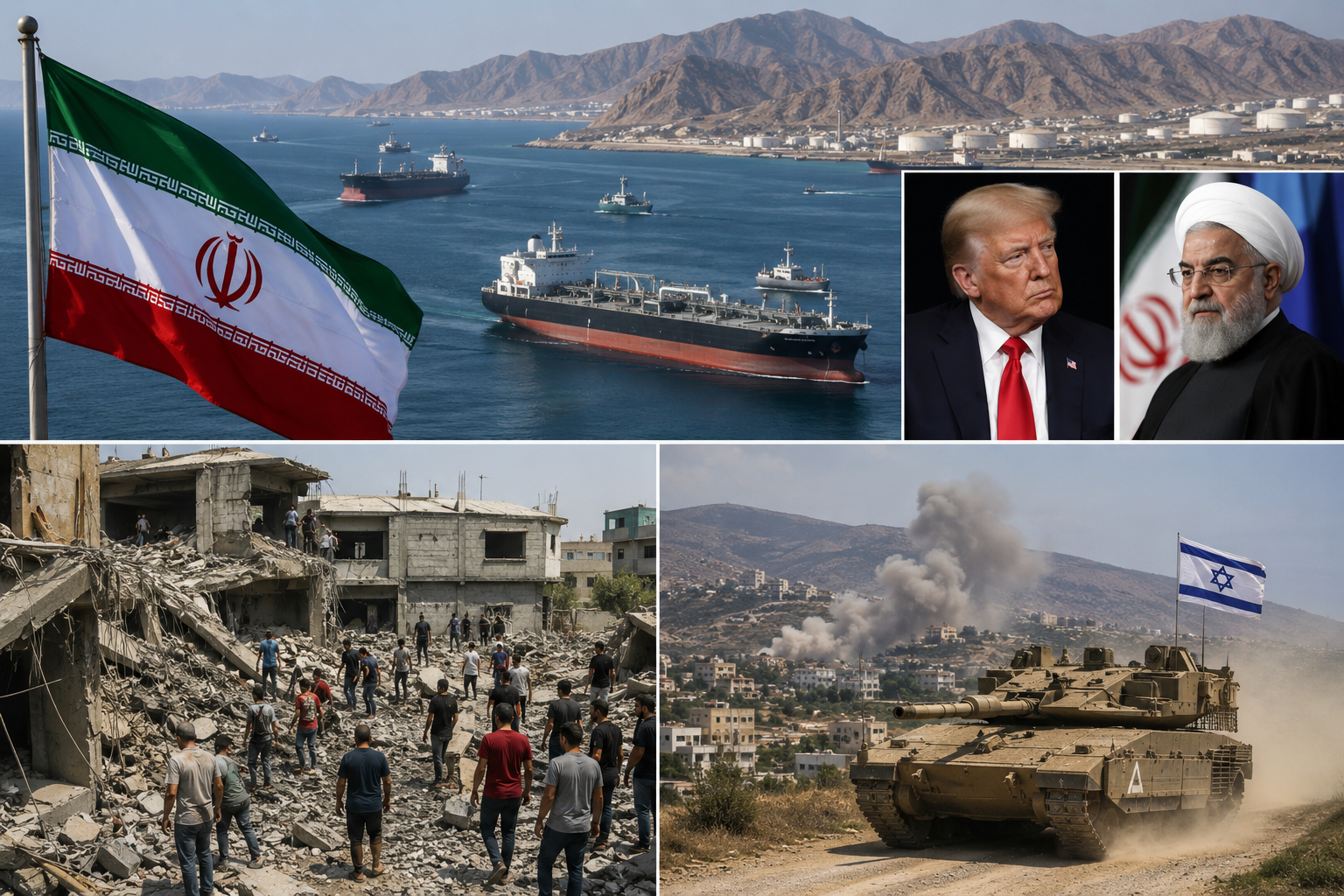
New reports indicate that Iran and the United States may be moving closer to a peace agreement aimed at ending months of conflict and reopening the Strait of Hormuz, one of the world’s most important oil shipping routes. The proposed framework could also include a withdrawal of US military forces from areas near Iran and an end to the naval blockade affecting Iranian trade.
According to Iranian state media, the draft agreement would allow commercial shipping through the Strait of Hormuz to return to pre-war levels within 30 days. Iran would reportedly manage shipping traffic in coordination with Oman, while the United States would pull back forces from Iran’s surrounding region.
The reports also suggest that if a final agreement is reached within 60 days, it could be approved through a United Nations Security Council resolution. However, Iranian officials stressed that the current document is only a preliminary framework and no final decision has been made.
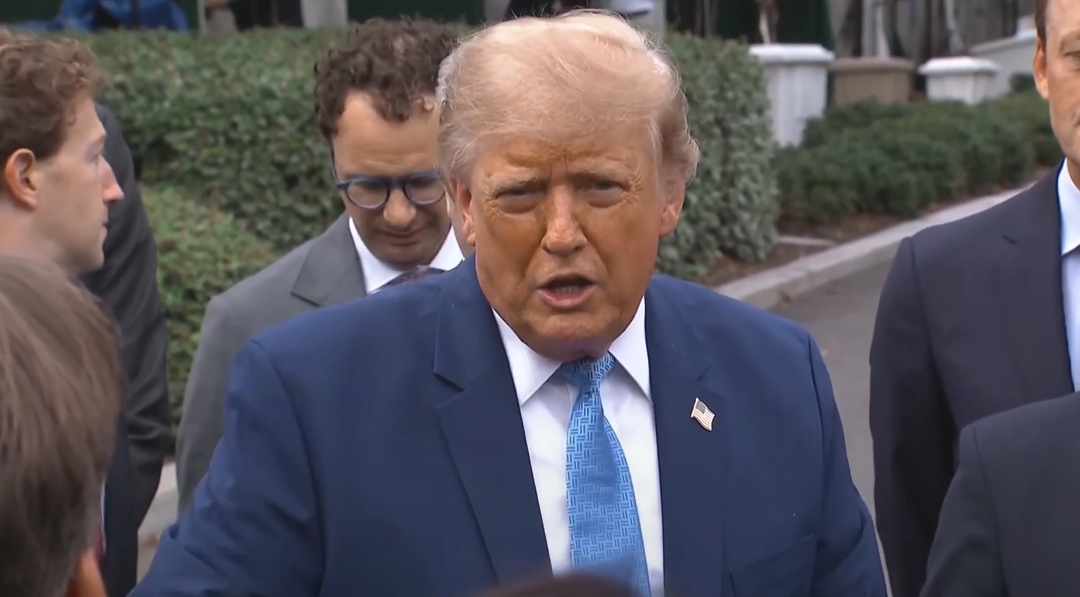
US President Donald Trump is expected to meet senior officials, including Secretary of State Marco Rubio and Defense Secretary Pete Hegseth, as negotiations continue.
Analysts say Trump is hoping to secure a deal that could be presented as a political victory before upcoming US midterm elections. Rising fuel prices and economic concerns have increased pressure on the White House to reduce tensions in the Gulf region.
Despite progress in talks, the situation remains highly fragile. Iranian officials continue to warn that the country maintains leverage through its control over the Strait of Hormuz. Experts say Tehran could disrupt shipping again if future agreements collapse or if tensions return.
At the same time, violence in Lebanon continues to worsen. Israeli forces intensified air strikes across southern Lebanon and the eastern Bekaa Valley, hitting towns near Tyre, Nabatieh and Baalbek. Lebanon’s Health Ministry said dozens of civilians have been killed or wounded in recent attacks.
The Israeli military claimed it targeted more than 150 Hezbollah positions over the past day and issued new evacuation orders for several Lebanese towns and villages. Thousands of civilians are again being forced to flee their homes as fighting spreads into wider areas.
Residents in southern Lebanon are facing growing fears as places once considered safe are now under attack. Humanitarian groups warn that continued escalation could deepen Lebanon’s already severe displacement and economic crisis.
Meanwhile, Hezbollah continues launching rockets and drones toward Israeli military positions near the border. Israeli officials are increasingly concerned about Hezbollah’s use of advanced fibre-optic drones against troops and military vehicles.
Political analysts say hardliners in both Washington and Tel Aviv remain cautious about any agreement with Iran. Some believe continued military pressure should remain in place, while others fear a weak deal could strengthen Iran politically after months of war.
Even so, many world leaders and international observers believe diplomacy remains the only realistic path to preventing a larger regional war. The reopening of the Strait of Hormuz could help stabilise oil markets, reduce global inflation and ease economic pressure affecting millions of people worldwide.
Summary
Reports suggest Iran and the United States are moving closer to a peace framework that could fully reopen the Strait of Hormuz and reduce military tensions. At the same time, Israeli strikes in southern Lebanon continue to intensify, causing more civilian deaths and displacement.
Content

×
![]()