
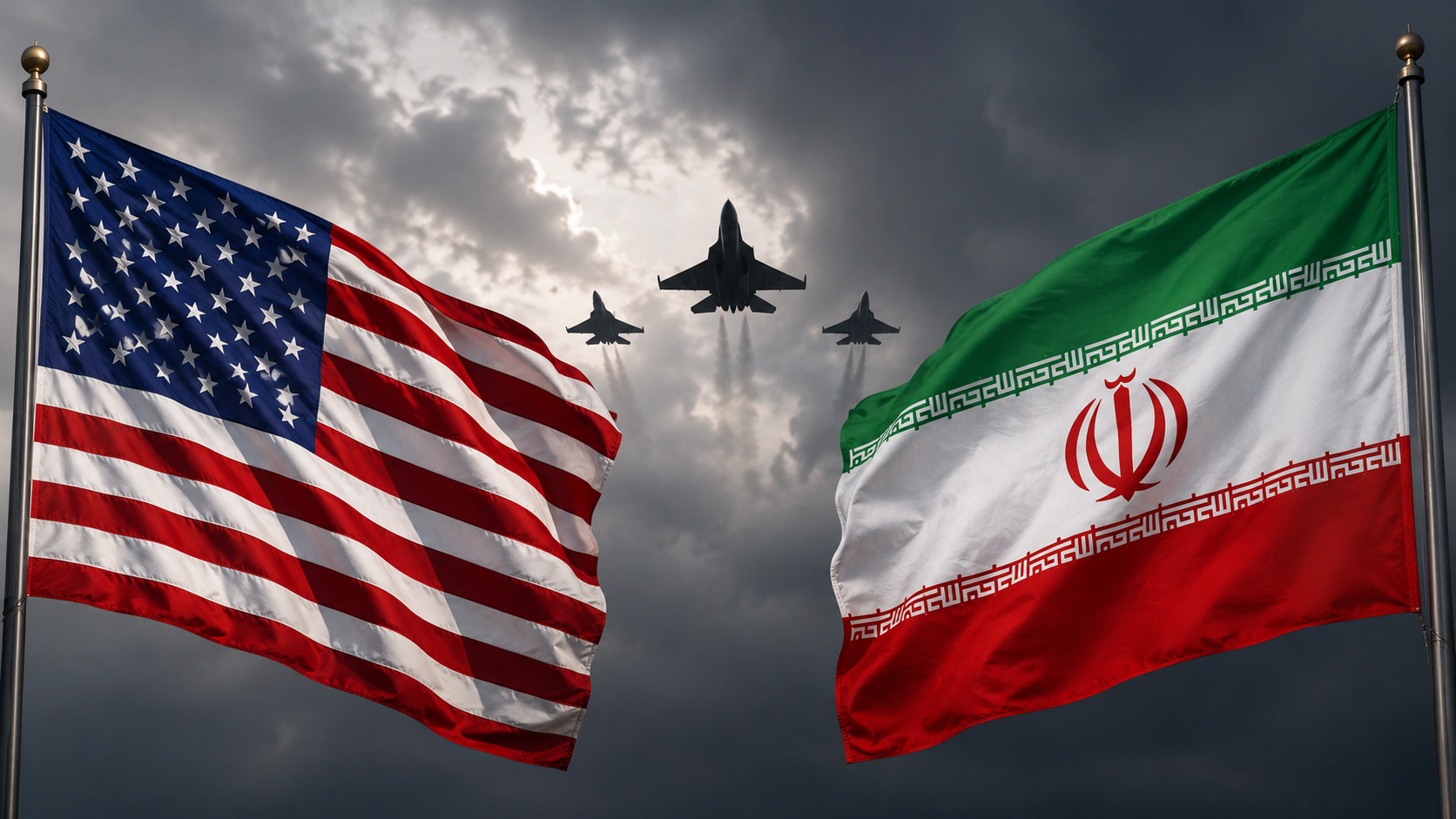
The United States has launched new military strikes on Iran for the second time in three days, increasing tensions despite ongoing peace negotiations and a fragile ceasefire in the region.
According to US Central Command (Centcom), American forces targeted a military site near the Iranian port city of Bandar Abbas after identifying preparations for a drone launch. The US military also said it shot down four Iranian attack drones near the Strait of Hormuz.
Centcom described the operation as “measured” and “purely defensive,” saying the strikes were carried out to protect US troops and maintain the ceasefire agreement.
Iranian media reported explosions near Bandar Abbas shortly after the strikes. Tehran strongly condemned the attacks, calling them a “grave violation” of the ceasefire and warning that Iran would respond to any hostile actions.
The Strait of Hormuz remains one of the world’s most important oil shipping routes, and tensions in the area have disrupted global trade and increased fuel prices worldwide. Thousands of commercial ships remain affected by the ongoing conflict and military activity in the region.
Earlier this week, US forces also carried out strikes against Iranian missile sites and boats that Washington claimed were attempting to place naval mines in the Strait of Hormuz. The US said those operations were also conducted in self-defence.
Iran’s Islamic Revolutionary Guard Corps (IRGC) later claimed it had shot down a US drone and fired at another aircraft that entered Iranian airspace, although it did not provide further details.
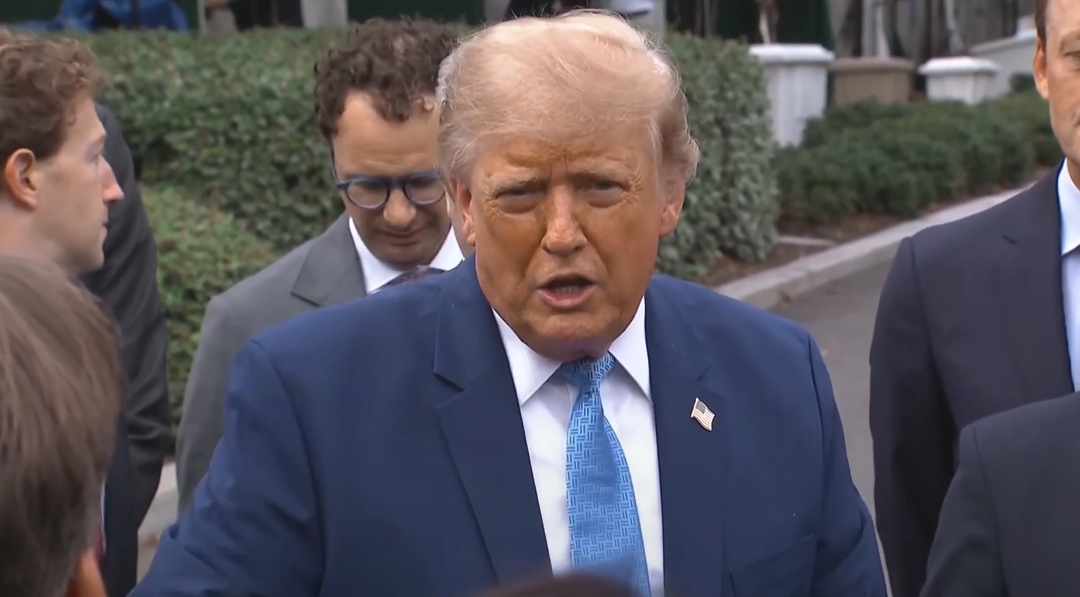
US President Donald Trump addressed the situation during a cabinet meeting in Washington, saying Iran remains under pressure to reach a deal with the United States.
“Maybe we have to go back and finish it,” Trump said while discussing the ongoing conflict and negotiations.
The latest strikes come as Washington and Tehran continue indirect talks aimed at ending the war that began after US and Israeli attacks on Iran earlier this year. While both sides have signalled some progress in negotiations, major disagreements still remain.
Trump recently said the United States is “not satisfied” with the current terms being discussed and warned that military action could continue if a final agreement is not reached.
Iranian state television previously reported details of a possible draft agreement involving the reopening of the Strait of Hormuz and the withdrawal of US forces from the region. However, the White House rejected those reports and called them false.
The conflict has already affected countries across the Middle East, especially Lebanon, where fighting between Israel and Hezbollah continues to intensify. Analysts warn that further escalation between Iran and the United States could increase regional instability and place more pressure on global energy markets.
Summary
The US military carried out fresh strikes on Iranian targets near Bandar Abbas, saying the action was defensive and aimed at protecting forces around the Strait of Hormuz. Iran condemned the attacks as a violation of the ceasefire.
Content

×
![]()