
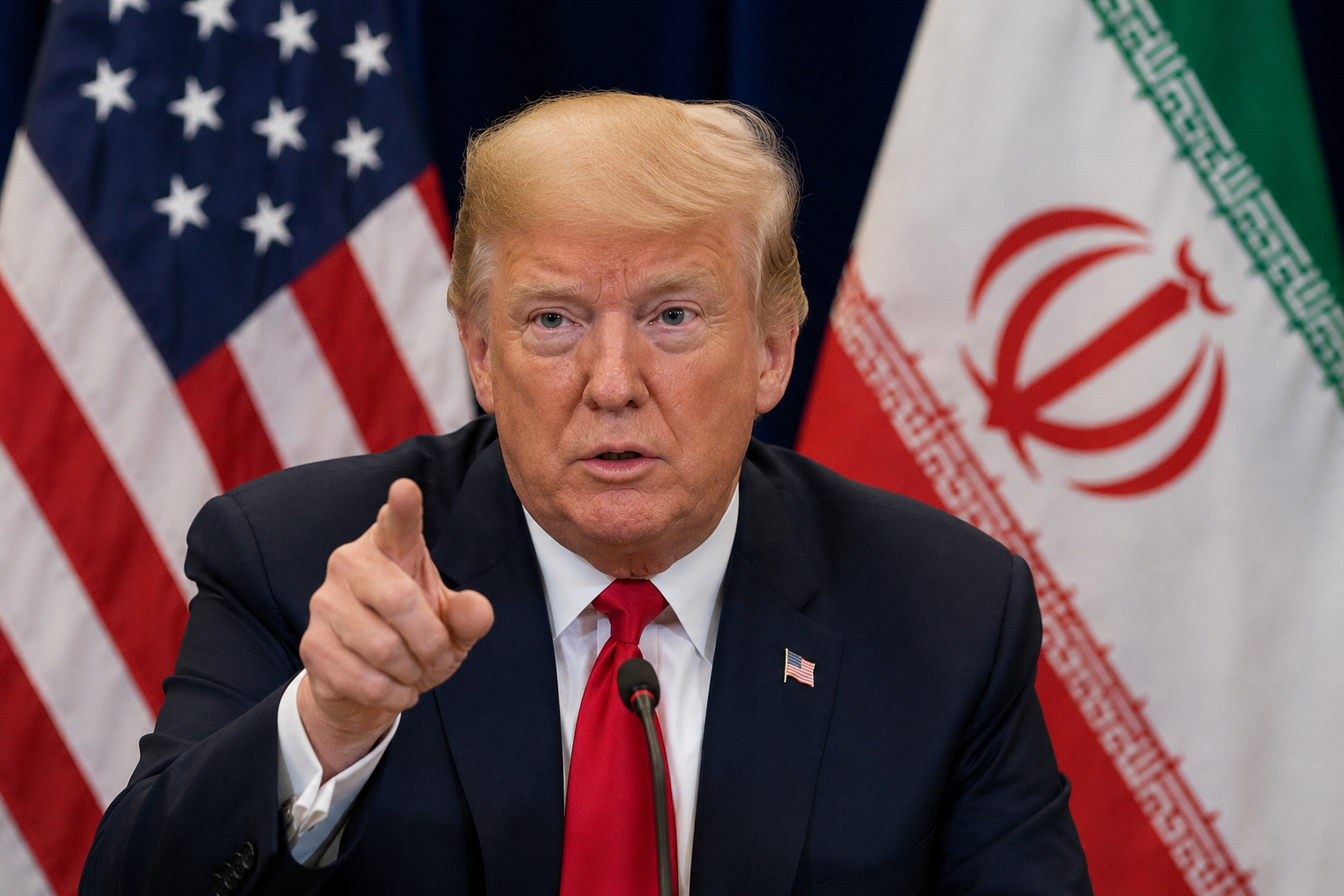
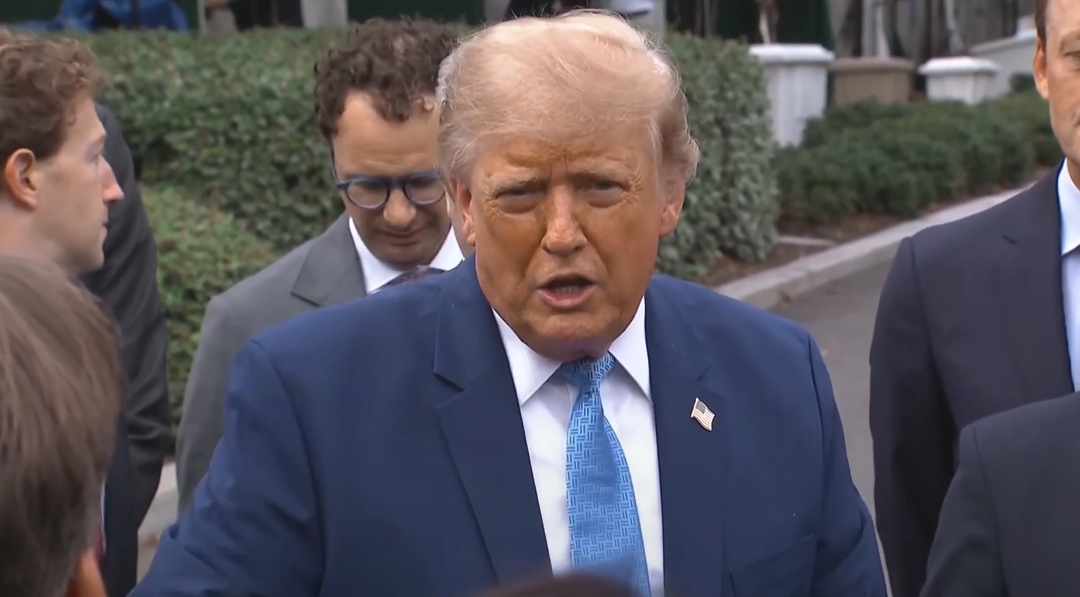
US President Donald Trump has taken another major step in efforts to reduce tensions with Iran by holding a key meeting at the White House to decide whether to approve a proposed ceasefire extension agreement.
The meeting took place in the White House Situation Room, a secure facility normally used during military operations, national emergencies, and major international crises. Trump described the meeting as an effort to make a “final determination” on the future of negotiations with Iran.
According to US officials, American and Iranian representatives have already agreed on the framework of a deal, known as a memorandum of understanding. However, the agreement still requires approval from both Trump and Iran’s leadership before it can officially take effect.
If approved, the agreement would extend the current ceasefire between the two countries for another 60 days. During that period, both sides would hold talks aimed at resolving long-standing disputes over Iran’s nuclear program and regional security concerns.
Trump outlined several conditions that he believes Iran must accept before a final agreement can be reached. One of his main demands is that Iran permanently abandon any possibility of developing a nuclear weapon. The United States has long argued that Iran’s nuclear activities could eventually lead to the creation of nuclear bombs, while Iran continues to insist that its nuclear program is entirely peaceful and intended for civilian purposes such as energy production and scientific research.
Another major issue is the Strait of Hormuz, one of the world’s most important shipping routes. A significant portion of global oil exports passes through this narrow waterway every day. Trump stated that Iran must allow unrestricted shipping traffic through the strait and remove any threats to commercial vessels operating in the area.
The US president also said that Iran should allow the removal and destruction of its stockpile of enriched uranium. Enriched uranium can be used as fuel for nuclear reactors, but at higher levels of enrichment it can also potentially be used in nuclear weapons. This remains one of the most controversial aspects of the negotiations.
Trump further stated that no financial payments would be exchanged under the agreement at this stage. He suggested that some smaller issues had already been resolved but did not provide specific details.
Despite the optimism expressed by some US officials, Iran has publicly pushed back against several of Trump’s statements. Iranian officials insist that they are not currently negotiating the future of their nuclear program and are instead focused on ending hostilities and maintaining the ceasefire.
Iran’s Foreign Ministry spokesman said there were no active nuclear negotiations taking place and that Iran’s primary objective remains ending the conflict. Iranian media outlets also claimed that some of Trump’s comments contained inaccuracies and did not fully reflect the contents of the proposed agreement.
The disagreement highlights the continuing lack of trust between the two countries. Relations between the United States and Iran have been strained for decades, and previous attempts to reach long-term agreements have often collapsed due to disputes over nuclear activities, sanctions, and regional conflicts.
US Vice President JD Vance recently acknowledged that negotiations are progressing but said important differences remain. According to Vance, negotiators are still working through several points of disagreement, particularly concerning uranium enrichment. He said both sides are “very close” to reaching an agreement but admitted that a final deal has not yet been achieved.
Iranian officials have also expressed caution. Iran’s chief negotiator stated that his country does not rely on promises or guarantees alone and wants to see concrete actions before making any commitments. He emphasized that Iran would not take significant steps unless the United States first demonstrates its willingness to follow through on its own obligations.
The proposed agreement comes after months of heightened tensions and military confrontations in the region. Earlier this year, the United States and Israel carried out strikes against Iranian targets. Iran responded with attacks against Israel and US-aligned countries in the Gulf region. The conflict also disrupted shipping through the Strait of Hormuz, causing concerns about global energy supplies.
As tensions increased, oil prices rose sharply due to fears that shipping routes could remain blocked or become unsafe. Many countries have been closely monitoring developments because disruptions in the region can affect fuel prices and economic stability around the world.
Although a ceasefire was eventually reached, both sides have since accused each other of violating the agreement. Recent incidents have raised concerns that the fragile truce could collapse if negotiations fail.
Supporters of the proposed deal argue that extending the ceasefire would provide valuable time for diplomacy and reduce the risk of another military confrontation. Critics, however, question whether either side is willing to make the compromises necessary for a lasting agreement.
For now, the future of the deal remains uncertain. The proposed framework awaits final approval from both Washington and Tehran. If accepted, it could open the door to broader negotiations and help stabilize the region. If rejected, tensions could quickly rise again, potentially affecting regional security, global oil markets, and international relations.
The coming days are expected to be crucial as leaders on both sides decide whether diplomacy can succeed where years of conflict and mistrust have often stood in the way.
Summary
US President Donald Trump held a high-level meeting at the White House to make a final decision on a proposed agreement with Iran. The deal would extend the current ceasefire for 60 days and begin discussions about Iran’s nuclear program. However, important disagreements remain, particularly over Iran’s uranium enrichment activities and the future of its nuclear facilities.
Content

×
![]()