
The conflict between the United States and Iran has intensified once again as both sides launched new military operations following stalled ceasefire negotiations. The latest exchange of attacks comes after weekend talks aimed at ending months of fighting failed to produce a breakthrough.
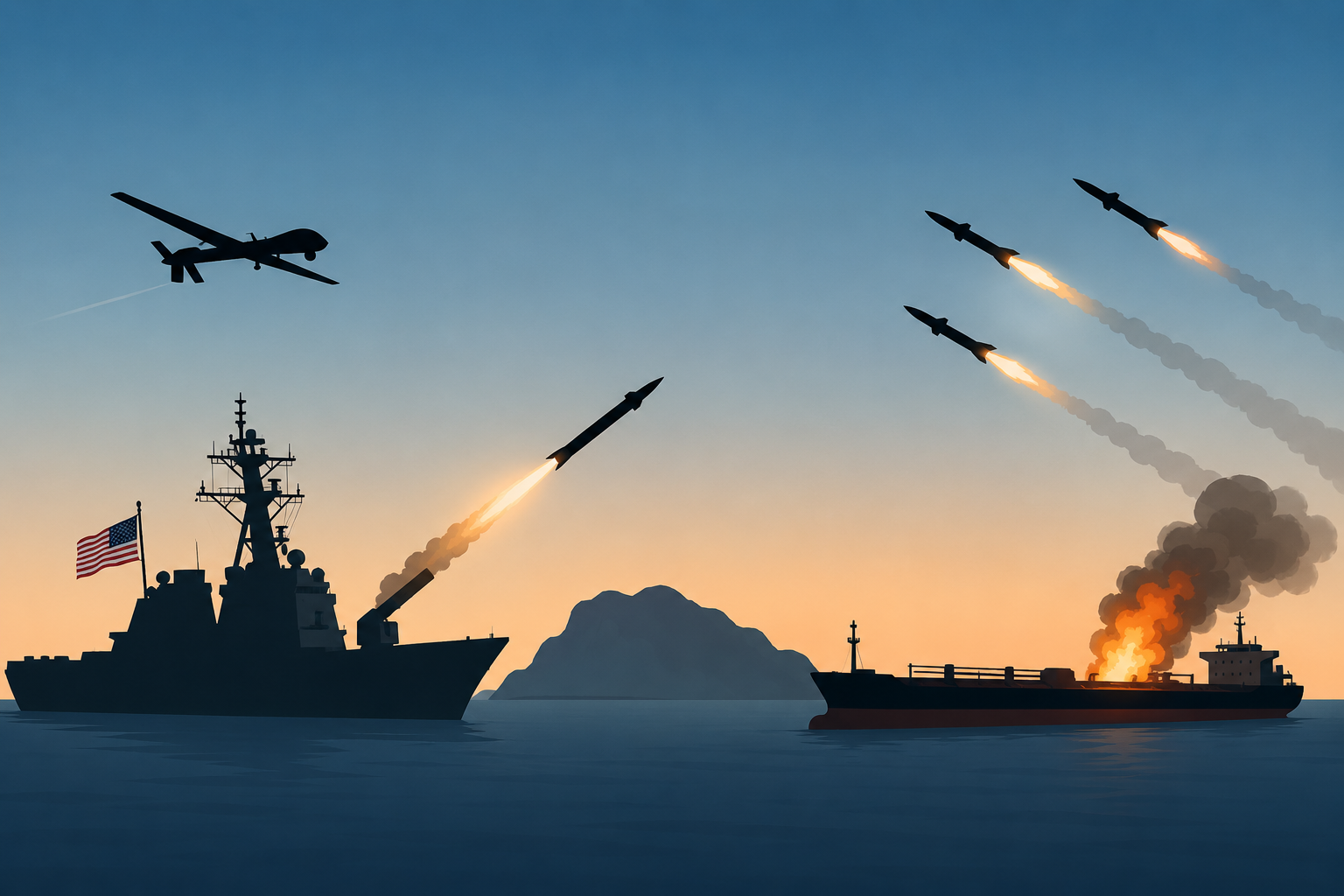
According to the US military's Central Command (CENTCOM), American forces carried out what it described as "self-defence" strikes on Iran’s Qeshm Island, located near the strategically important Strait of Hormuz. US officials said the operation targeted an Iranian military ground control station that was allegedly involved in attacks against American interests and regional partners.
CENTCOM also reported that US forces intercepted and destroyed several Iranian drones and ballistic missiles. The military said the drones were heading toward civilian ships traveling through regional waters and posed a threat to maritime security.
Iran, however, presented a different account of events. Iranian military officials claimed they launched missiles and drones against US military facilities and helicopters in the Gulf region as retaliation for recent American actions. Tehran described the attacks as a response to what it considers aggression by US forces.
The US rejected claims that Iranian attacks caused significant damage. CENTCOM stated that two Iranian missiles fired toward Kuwait either fell short or broke apart before reaching their targets. Three additional missiles launched toward Bahrain were reportedly intercepted by American and Bahraini air defence systems.
The latest incidents have heightened concerns across the Gulf region. Bahrain and Kuwait both host important US military facilities, making them potential targets during periods of increased tension between Washington and Tehran.
One of the most significant developments involved the Strait of Hormuz, a narrow waterway through which a large percentage of the world's oil supply passes. Iranian officials warned that any attempts to disrupt security in the area would come at a high cost.
The US military also announced action against a commercial vessel traveling toward Iran. According to CENTCOM, a Botswana-flagged oil tanker ignored repeated warnings from American forces while heading toward Kharg Island, a major Iranian oil export terminal.
US officials said an American aircraft fired a Hellfire missile into the vessel’s engine room, disabling the ship without causing casualties. Video footage released by the military appeared to show the moment the tanker was struck.
Washington described the action as part of its ongoing naval blockade of Iran’s Gulf coast. The blockade, which began in April, aims to restrict maritime traffic connected to Iran. CENTCOM reported that six commercial vessels have been disabled and more than 120 others redirected since the operation began.
The escalation comes as diplomatic efforts remain deadlocked. US President Donald Trump has repeatedly expressed support for a negotiated settlement but acknowledged that major disagreements remain. Reports indicate that negotiations have become complicated by disputes over the Strait of Hormuz, Iran’s stockpile of highly enriched uranium, and future nuclear discussions.
US Secretary of State Marco Rubio told lawmakers that sanctions relief remains tied to Iran's nuclear activities and has not been offered simply to reopen shipping routes in the Gulf. He stressed that any easing of sanctions would depend on changes in Iran's nuclear programme.
Iranian officials continue to reject several American demands, accusing Washington of repeatedly changing its conditions during negotiations. Tehran argues that the United States has introduced new requirements that were not part of earlier discussions.
As military operations continue and diplomatic talks remain stalled, fears are growing that the conflict could further destabilize the Middle East. The Strait of Hormuz remains a major flashpoint, with global energy markets closely watching developments.
For now, both sides appear determined to maintain pressure while negotiations remain uncertain. The coming days could prove critical in determining whether diplomacy can resume or whether the conflict moves toward a more dangerous phase.
Summary
The United States and Iran have carried out new military actions after ceasefire negotiations failed to make progress. The US says it struck targets on Iran’s Qeshm Island and intercepted Iranian missiles and drones, while Iran claims it attacked US military assets in the region. The latest escalation has increased tensions around the Strait of Hormuz and raised concerns about regional stability.
Content


×
![]()