
The United Nations World Food Programme (WFP) has issued a serious warning about the impact of the ongoing conflict between the United States and Iran. According to a new report, the war is not only affecting the Middle East but is also creating food shortages and economic difficulties for millions of people around the world.
The WFP said that rising oil prices caused by the conflict are making food more expensive in many countries. As fuel costs increase, the cost of producing, transporting, and selling food also rises. This is especially harmful for poorer nations that already struggle with poverty, conflict, and climate-related challenges.
The conflict began on February 28 and has continued for more than three months. One of the biggest concerns is the disruption of shipping through the Strait of Hormuz, one of the world's most important oil transportation routes. The near-closure of this key waterway has prevented many oil tankers from completing their journeys, creating uncertainty in global energy markets.
As oil supplies become harder to move, fuel prices have increased in many parts of the world. Higher fuel prices affect almost every part of the economy, including farming, transportation, manufacturing, and food distribution. Because of this, families in many countries are finding it harder to afford basic necessities.
The WFP explained that in March it estimated that around 45 million people could face acute food shortages if oil prices remained around $100 per barrel by the end of June. According to the agency, those fears are now beginning to become reality.
While global food prices have only increased slightly overall, the impact is much greater in fragile and vulnerable countries. These nations often rely heavily on imported fuel and food supplies, making them especially sensitive to international price increases.
The report identified Afghanistan, Somalia, and Sri Lanka as some of the countries facing the greatest risks.
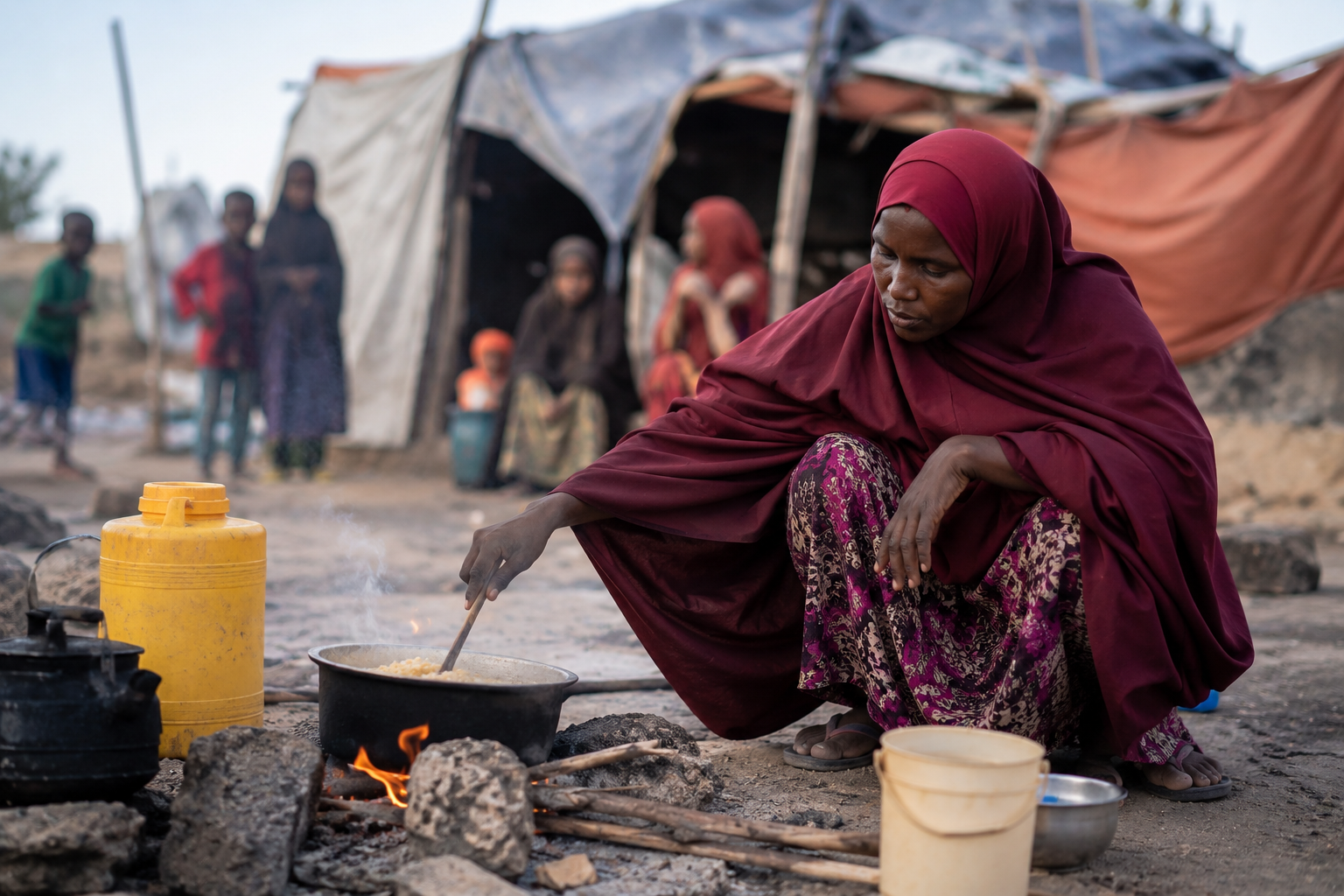
In Somalia, the situation is becoming increasingly severe. The WFP estimates that around 6.5 million people, nearly one-third of the country's population, could face severe hunger during 2026. The organization also warned that an additional 2.5 million Somalis may soon be unable to afford even a basic food basket.
The situation is made worse by existing challenges such as drought, poverty, and ongoing security issues. Rising food and fuel prices are adding further pressure on households already struggling to survive.
According to WFP projections, nearly 60 percent of Somali households could be unable to afford essential needs in 2026. This would represent a significant increase compared with previous years.
Afghanistan is facing a similar crisis. The report says that up to 2.3 million additional people could become food insecure because of the economic effects of the conflict. Before the war even began, around 13.8 million Afghans were already experiencing food insecurity.
The country depends heavily on imported goods and energy supplies. As prices rise and trade becomes more difficult, many families are finding it increasingly challenging to purchase enough food.
The WFP estimates that another 2.5 million people in Afghanistan may no longer be able to afford a basic food basket if current trends continue.
Sri Lanka is also expected to feel the effects of the crisis. The report predicts that up to 1.3 million people in the country could struggle to meet their basic food needs due to higher prices and economic pressure.
Beyond the direct impact on families, humanitarian organizations are facing their own challenges. The WFP described the situation as a "double squeeze." On one hand, more people need assistance because of rising food prices and economic hardship. On the other hand, aid organizations are facing higher operating costs, making it harder to deliver support.
Fuel is essential for transporting food and supplies to communities in need. As fuel becomes more expensive, humanitarian agencies must spend more money to carry out their operations. This means fewer resources are available to help vulnerable populations.
The WFP estimates that because of rising costs, it may be forced to assist 1.5 million fewer people than originally planned during 2026. This reduction could leave many families without critical food support.
The agency warned that if the conflict continues for another six months, more than 9 million people could lose access to humanitarian assistance. Rising food prices and increased operational costs could make it impossible for aid organizations to meet growing needs.
The report highlights how conflicts in one part of the world can have far-reaching consequences elsewhere. Although the fighting is taking place in the Middle East, its effects are being felt by vulnerable communities thousands of miles away.
The WFP is urging world leaders to find a peaceful solution to the conflict and take steps to stabilize global energy and food markets. Humanitarian agencies warn that without action, millions more people could fall into hunger and poverty in the coming months.
As negotiations continue between the United States and Iran, the world is watching closely. For many families in vulnerable countries, the outcome of these talks could have a direct impact on their ability to afford food and meet their daily needs.
Summary
The United Nations World Food Programme (WFP) has warned that the ongoing conflict between the United States and Iran is worsening global food insecurity. Rising oil prices, higher transport costs, and trade disruptions are increasing food prices in vulnerable countries such as Afghanistan, Somalia, and Sri Lanka. Millions more people could face hunger if the conflict continues.
Content



×
![]()