
The fragile ceasefire between the United States and Iran has come under renewed strain after both countries exchanged military attacks in the Gulf region.
According to the US military, American forces intercepted four Iranian drones that were flying toward the Strait of Hormuz, one of the world's most important shipping routes. US officials said the drones posed a threat to commercial and military vessels operating in the area.
After destroying the drones, the US military launched strikes on Iranian coastal radar facilities. American commanders said the action was taken to prevent further attacks and protect maritime traffic moving through the Gulf.
Iran quickly responded. Iranian state media reported that ballistic missiles were fired at two US air bases in Kuwait and at facilities used by the US Navy in Bahrain.
The US Central Command, known as CENTCOM, said seven missiles were launched by Iran. According to initial assessments, six of the missiles were intercepted successfully, while the remaining missile failed to reach its target.
The latest exchange marks another dangerous chapter in the ongoing conflict between Washington and Tehran. Although a ceasefire has technically been in place since April, both sides have repeatedly accused each other of violating its terms.
Tensions increased further after an attack on Kuwait International Airport earlier this week. Kuwaiti authorities reported that one person was killed and more than 60 others were injured when drones struck the airport.
Iran's Islamic Revolutionary Guard Corps denied responsibility for that attack. Iranian officials claimed that the damage was caused by a malfunction involving a US missile interceptor system.
However, the US military strongly rejected that explanation. CENTCOM stated that evidence showed Iran deliberately targeted the airport and described the strike as a calculated attack.
Iran, meanwhile, defended its actions by pointing to recent US military operations. Iranian officials said their missile attacks were retaliation for American strikes on an Iranian oil tanker and targets on Qeshm Island.
The conflict comes at a time when diplomatic efforts between the two countries are struggling. Negotiations aimed at ending the war and strengthening the ceasefire have stalled in recent weeks.
Iranian officials accuse the United States of constantly changing its demands during negotiations. Tehran says this has made it difficult to reach a final agreement.
American officials, on the other hand, argue that Iran has failed to provide sufficient guarantees regarding regional security and military activities.
The current conflict began after the United States and Israel launched major strikes on Iran earlier this year. Those attacks targeted military and strategic facilities across the country and triggered a wider regional confrontation.
Iran responded by launching attacks against Israel and US allies in the Gulf region. One of the most significant consequences was the disruption of shipping through the Strait of Hormuz.
The Strait of Hormuz is one of the most important waterways in the world. Roughly one-fifth of global oil and liquefied natural gas supplies pass through the narrow channel every day.
Countries including Saudi Arabia, Iraq, Kuwait, Qatar, the United Arab Emirates, and Iran depend heavily on the route to export energy products to international markets.
As fighting intensified earlier this year, shipping traffic through the strait was severely disrupted. Global oil prices rose sharply, causing concern among governments and businesses worldwide.
After a ceasefire was reached in April, some stability returned to the region. However, tensions never fully disappeared.
The United States also maintained a blockade on Iranian ports after the ceasefire. President Donald Trump said the restrictions would remain until a formal agreement was signed and verified.
Many analysts believe the latest exchange of attacks shows how fragile the ceasefire remains. While neither side appears to be seeking a full-scale war at the moment, both continue to carry out military operations that risk triggering a larger conflict.
Despite the fighting, there have been a few signs that communication channels remain open. One notable example is sports diplomacy.
The United States has approved visas for Iran's national football team to participate in the upcoming FIFA World Cup in Los Angeles. The team is scheduled to play its first match on June 15.
The situation is unusual because it may be the first time a World Cup host nation welcomes a team from a country with which it is actively engaged in military conflict.
For now, military tensions remain high across the Gulf. The exchange of drones, missiles, and retaliatory strikes has increased fears that a single mistake or miscalculation could spark a broader regional war.
As diplomatic talks remain stalled and both sides continue military operations, the future of the ceasefire remains uncertain. The coming days will be critical in determining whether the US and Iran can return to negotiations or move closer to another major escalation.
Summary
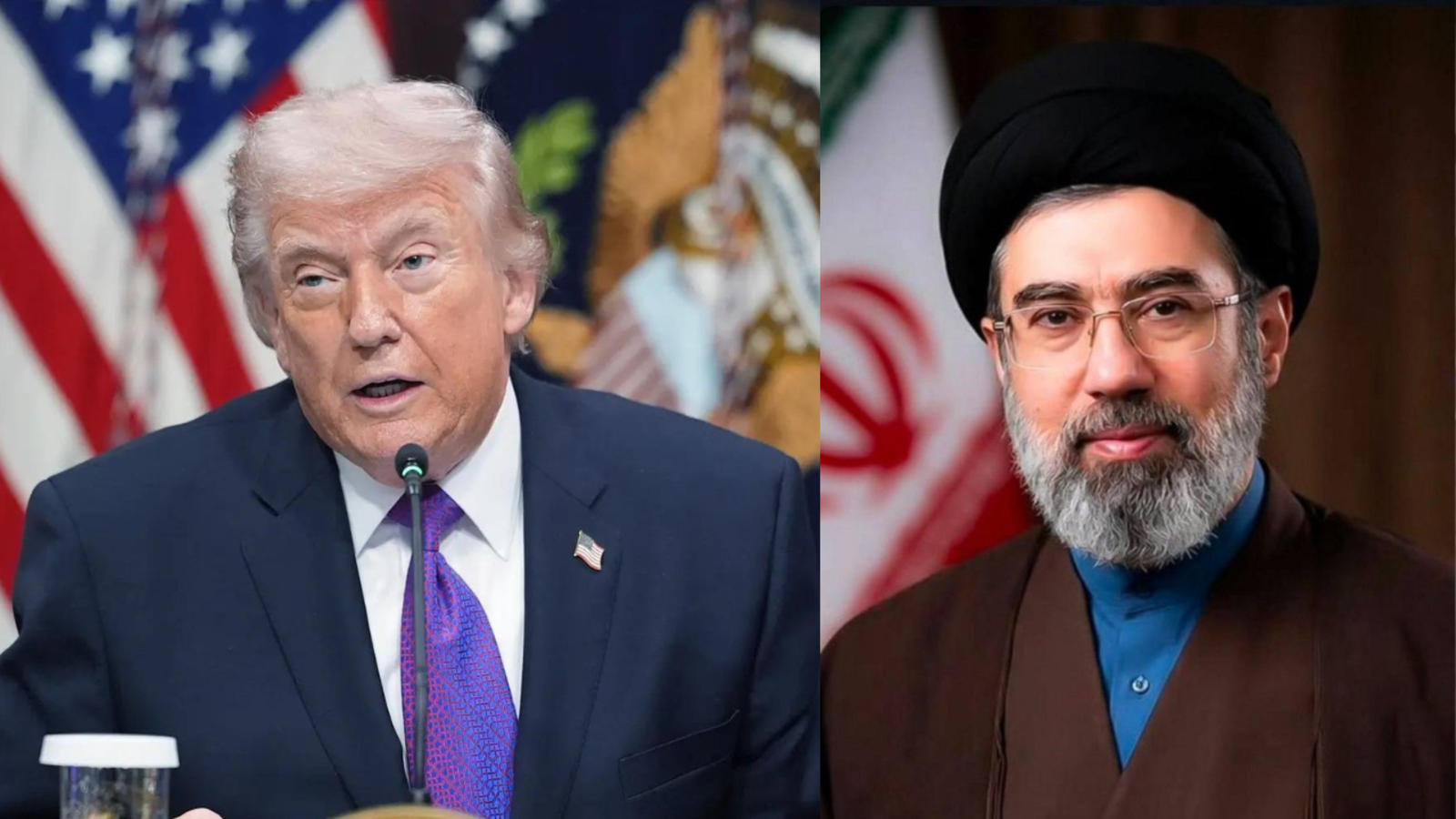
Tensions between the United States and Iran have risen again after both sides carried out military strikes in the Gulf region. The US said it shot down Iranian drones and attacked radar sites, while Iran responded by launching missiles toward US bases in Kuwait and Bahrain. Although a ceasefire remains in place, the latest attacks have raised concerns that the conflict could escalate again.
Content


×
![]()