
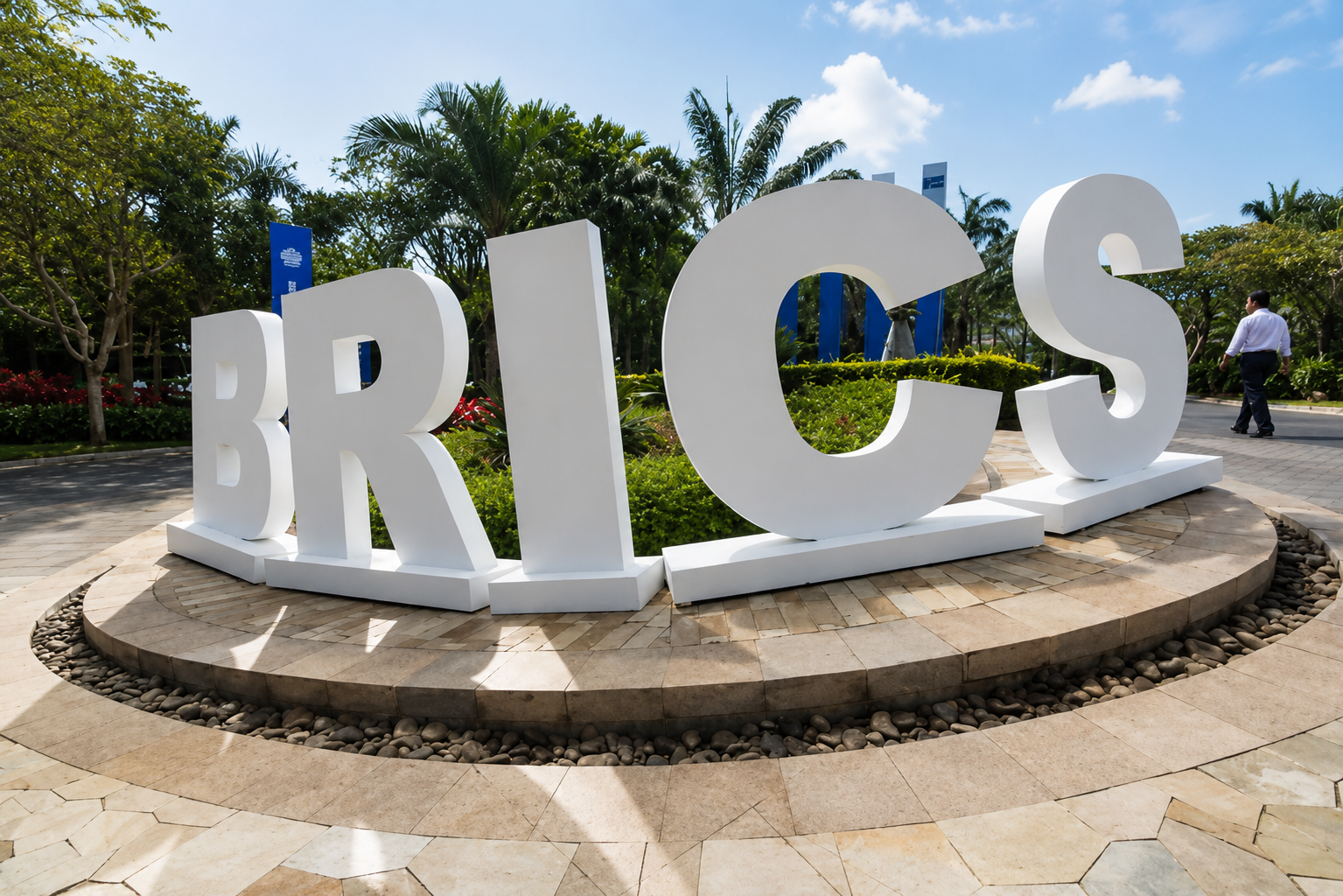
Iran has urged the BRICS group of nations to play a larger role in shaping the future of global energy security. The call was made by Iran’s ambassador to Russia, Kazem Jalali, during a meeting focused on energy cooperation and security among BRICS countries.
According to Iranian state media, Jalali emphasized that the world is facing major challenges in the energy sector. Rising geopolitical tensions, disruptions in supply chains, unstable energy markets, and increasing demand from developing economies have made energy security one of the most important issues facing the world today.
The BRICS group, which includes major emerging economies, has become an increasingly influential force in global affairs. Its members are home to a large share of the world's population, natural resources, and economic activity. Iran believes that this growing influence gives BRICS nations both the opportunity and responsibility to help create a more balanced and stable energy system.
In his remarks, Jalali explained that energy security is not simply about having enough oil, gas, or other energy resources. Instead, it involves many interconnected factors that affect how energy is produced, transported, sold, and used around the world.
According to Jalali, all of these elements must work together to ensure that countries can meet their energy needs without facing shortages or severe price fluctuations.
As global economies continue to grow, especially in developing regions, the demand for energy is expected to rise significantly. This makes long-term planning and international cooperation increasingly important.
The ambassador highlighted several challenges that are putting pressure on global energy systems.
One major issue is geopolitical tension. Conflicts and political disputes in different regions can affect the production and transportation of energy resources. These tensions often create uncertainty in global markets and can lead to higher prices for consumers and businesses.
Another challenge is supply chain disruption. Events such as conflicts, natural disasters, trade restrictions, or transportation problems can interrupt the flow of energy products and equipment. Such disruptions can delay projects and reduce the availability of resources.
Market volatility is also a growing concern. Energy prices can change rapidly due to political developments, economic trends, or unexpected events. Sharp increases in prices can place a heavy burden on households, industries, and governments.
At the same time, emerging economies continue to experience rapid growth, increasing the need for reliable and affordable energy supplies. Meeting this demand while maintaining stability remains a key challenge for policymakers around the world.
Jalali argued that BRICS countries are uniquely positioned to help address these challenges because of their significant economic and energy resources.
Many BRICS members are among the world's largest producers or consumers of energy. Together, they play a major role in global energy markets and have the ability to influence future developments in the sector.
As a result, Jalali said that BRICS nations should work more closely together on energy issues. Through cooperation, they can help improve energy security, encourage investment, support technological innovation, and strengthen infrastructure development.
Such cooperation could also help reduce vulnerabilities and make energy systems more resilient against future shocks.
A central theme of Jalali’s speech was the need for a more inclusive and fair global energy system.
He argued that developing nations should have a stronger voice in decisions that affect global energy markets. Many countries in the Global South have rapidly growing economies and increasing energy needs, yet they often face challenges in accessing investment, technology, and financing.
According to Jalali, BRICS can help ensure that these countries are better represented and that their interests are taken into account when shaping global energy policies.
A more inclusive system could promote greater cooperation between developed and developing nations while supporting economic growth and sustainable development around the world.
The Iranian ambassador stressed that no country can solve global energy challenges alone. International cooperation is essential for maintaining stable energy supplies and supporting future development.
By sharing expertise, investing in infrastructure, and coordinating policies, countries can create a more reliable and secure energy environment. Cooperation can also help accelerate the adoption of new technologies and improve the efficiency of energy systems.
Jalali believes that BRICS has the potential to become a major platform for such collaboration. As the group's influence continues to grow, its role in shaping the future of global energy security is likely to become increasingly important.
Iran’s call for greater BRICS involvement reflects broader discussions about the future of global energy governance. As energy demand rises and global challenges become more complex, countries are seeking new ways to ensure stability, affordability, and sustainability.
Kazem Jalali’s message highlighted the importance of cooperation among emerging economies and the need for a more balanced approach to energy security. He argued that BRICS nations have both the capacity and the responsibility to help build a fairer, more stable, and more inclusive global energy system.
As the world continues to navigate economic uncertainty, geopolitical tensions, and growing energy needs, the decisions made by major energy-producing and energy-consuming nations will play a crucial role in shaping the future of global development and stability.
Summary
Iran has called on BRICS countries to take a leading role in creating a fairer and more stable global energy system. Iran’s ambassador to Russia, Kazem Jalali, said that energy security is becoming more important due to geopolitical tensions, supply chain problems, market instability, and growing energy demand in developing countries. He stressed that energy security includes not only access to resources but also reliable supply, investment, technology, infrastructure, and financing. Jalali urged BRICS members to work together to build a more just and inclusive global energy order.
Content


×
![]()