
Ukrainian President Volodymyr Zelensky has sharply criticized Russia following a drone strike on a nuclear-related facility near the Chornobyl nuclear power plant, describing the attack as a “vile Russian strike” and accusing Moscow of deliberately targeting critical infrastructure. The incident comes at a crucial moment as Zelensky prepares for high-level talks in London with key European leaders regarding continued support for Ukraine.
According to Ukrainian officials, a Russian drone struck a storage facility containing spent nuclear fuel near the Chornobyl site in northern Ukraine. The attack caused damage to the building and sparked a fire, which emergency services quickly extinguished. Authorities confirmed that no injuries were reported and that radiation levels remained within normal limits despite concerns over the sensitive nature of the facility.
Ukraine’s state-owned nuclear energy company, Enerhoatom, stated that the strike partially destroyed part of the storage building. The company accused Russia of intentionally threatening nuclear safety and security. Officials emphasized that while the damage did not result in a radiation leak, the attack demonstrated the dangers posed by military operations near nuclear infrastructure.
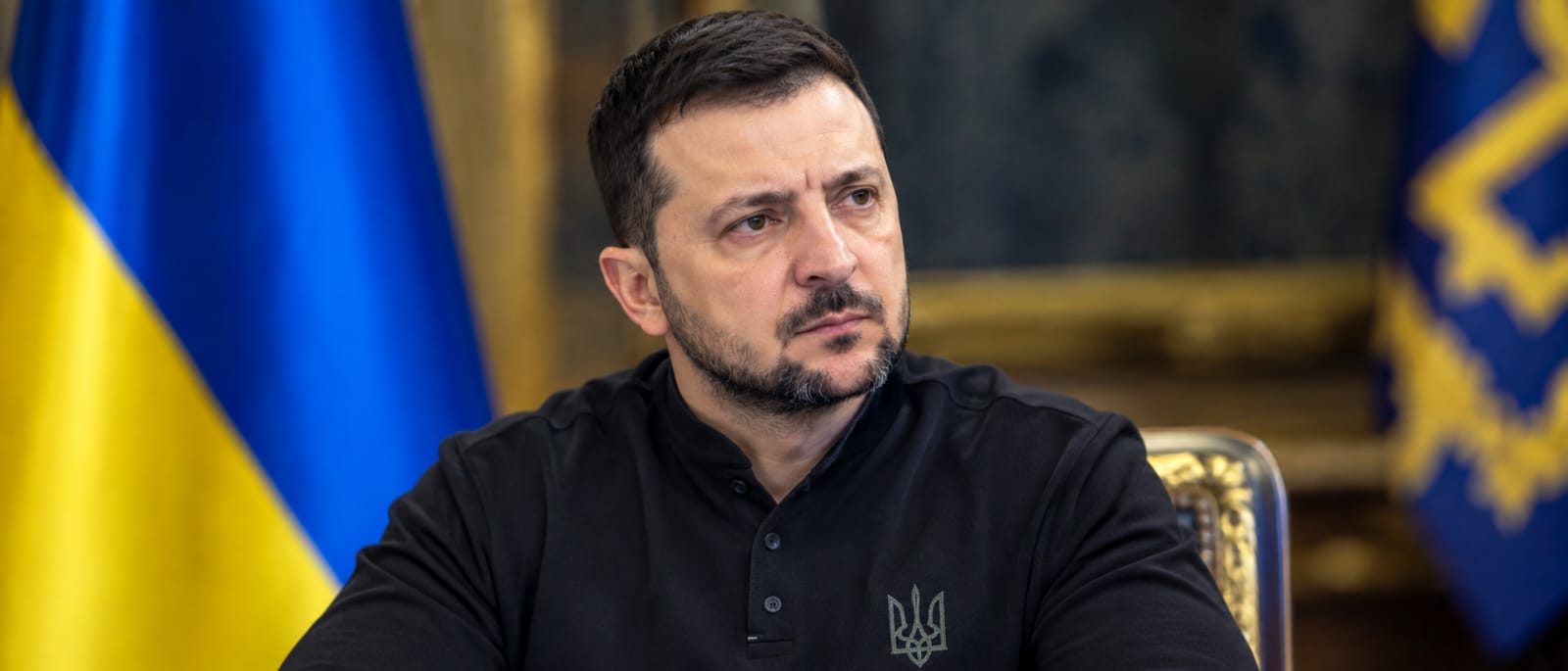
President Zelensky strongly condemned the strike in a statement posted on social media. He said Russia had deliberately targeted an extremely important nuclear-related facility and described the attack as another example of Moscow’s disregard for international safety standards. Zelensky argued that attacks on such sites create risks not only for Ukraine but also for neighboring countries and the wider European region.
The Ukrainian leader also highlighted the scale of Russia’s recent military operations. According to Zelensky, Russia launched dozens of missiles, thousands of drones, and nearly two thousand guided bombs against Ukrainian territory over the past week alone. He said the attacks affected multiple regions across the country and demonstrated that Moscow remains committed to its military campaign despite ongoing international pressure.
The strike near Chornobyl occurred against the backdrop of intensified fighting between Russia and Ukraine. In southeastern Ukraine, authorities reported that at least three people were killed in a Russian attack on a village near Zaporizhzhia. The region has experienced repeated attacks in recent weeks, causing civilian casualties and widespread destruction. Local officials said Russian forces continue targeting populated areas despite international calls for restraint.
At the same time, Ukraine has expanded its own long-range strike capabilities. Over the weekend, Ukrainian drones targeted Russia’s second-largest city, St. Petersburg, during the final day of a major economic forum attended by Russian political and business leaders. Russian authorities described the attack as unprecedented and urged residents in some areas to remain indoors.
The drone strike was not the first attack on St. Petersburg in recent days. Earlier in the week, Ukrainian forces reportedly targeted locations on the outskirts of the city, sending large plumes of smoke into the sky and demonstrating Kyiv’s growing ability to strike deep inside Russian territory. Military analysts note that Ukraine has significantly developed its domestic defense industry since the war began, allowing it to conduct increasingly sophisticated drone operations against strategic targets.
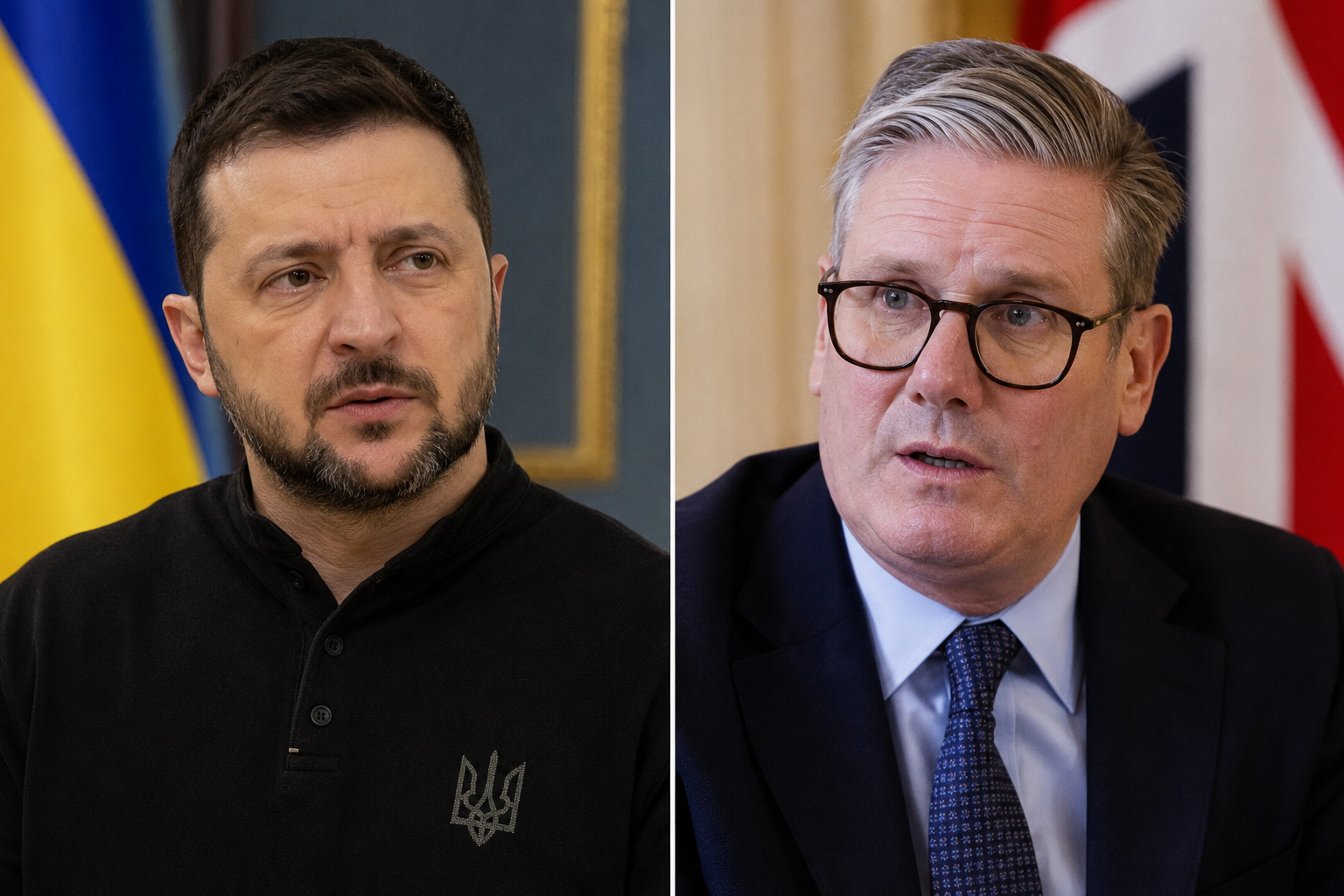
Meanwhile, diplomatic efforts to end the conflict remain at a standstill. Zelensky is scheduled to meet British Prime Minister Sir Keir Starmer, French President Emmanuel Macron, and German Chancellor Friedrich Merz in London. The four leaders are expected to discuss military assistance, security guarantees, and future strategies for supporting Ukraine against Russian aggression.
The United Kingdom, France, and Germany have been among Ukraine’s strongest European allies throughout the conflict. Britain and France have also led discussions surrounding a proposed “coalition of the willing,” aimed at providing long-term security assurances for Ukraine as part of any future peace settlement.
The London meeting comes several months after a similar gathering between the same leaders. At that time, international attention was focused on efforts by the United States to push both Russia and Ukraine toward negotiations. However, those efforts have made little progress, and global attention has increasingly shifted toward other international crises, including tensions in the Middle East.
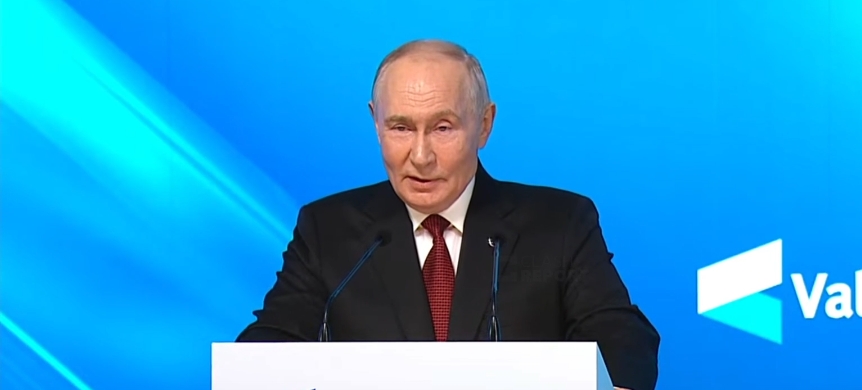
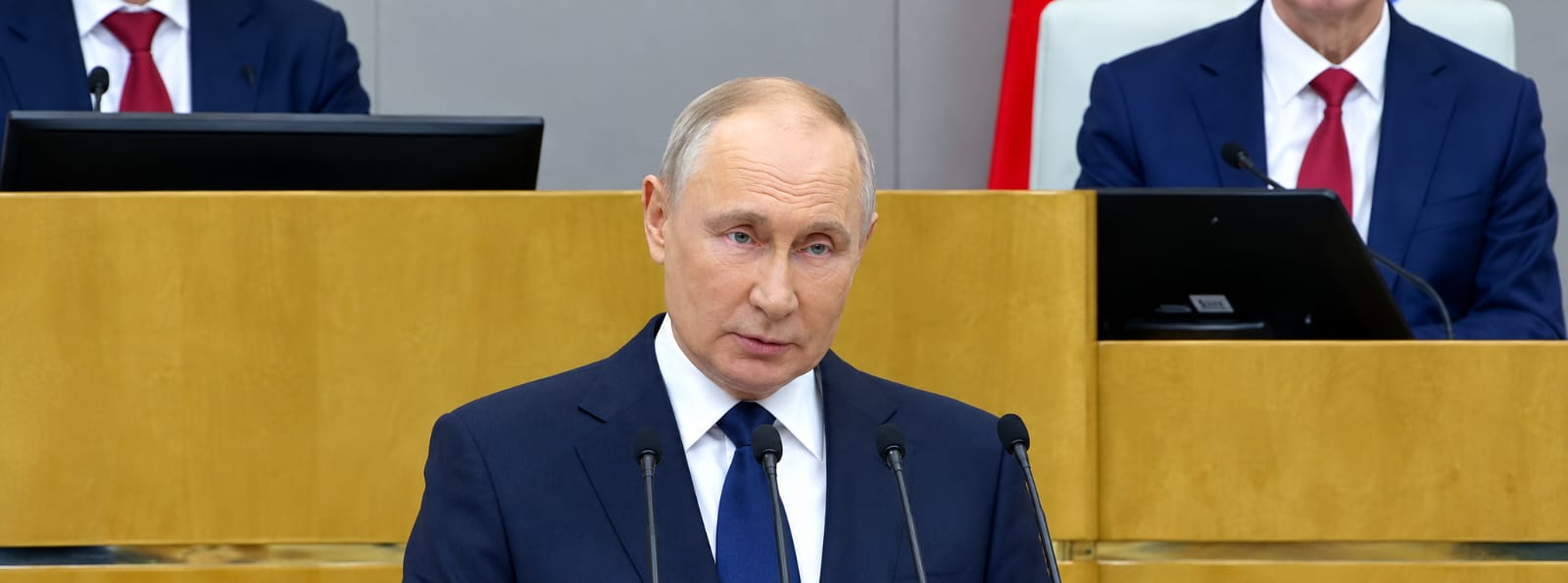
Adding to the diplomatic deadlock, Russian President Vladimir Putin recently rejected Zelensky’s proposal for direct face-to-face talks. Zelensky had publicly called for negotiations, arguing that it would be a mistake to wait indefinitely for international circumstances to change before seeking a resolution to the conflict.
Putin dismissed the proposal, saying he saw no reason to meet with the Ukrainian leader. The Russian president maintained his long-standing position that a ceasefire would only give Ukraine time to regroup and strengthen its military capabilities. He reiterated that Russia would continue its campaign until its objectives were achieved.
As the war enters another difficult phase, the attack near Chornobyl serves as a reminder of the ongoing risks surrounding Ukraine’s nuclear infrastructure. Although radiation levels remain stable and no immediate environmental threat has been reported, the incident has raised fresh concerns about the potential consequences of military operations near sensitive nuclear sites.
With fighting continuing on multiple fronts and peace negotiations showing little sign of progress, European leaders meeting in London face the challenge of determining how best to support Ukraine while preventing further escalation in one of the world’s most dangerous conflicts.
Summary
Ukrainian President Volodymyr Zelensky has strongly condemned a Russian drone strike on a spent nuclear fuel storage facility near the Chornobyl nuclear power plant, calling it a “vile” and deliberate attack on critical infrastructure. The incident occurred just hours before Zelensky was due to meet British Prime Minister Keir Starmer, French President Emmanuel Macron, and German Chancellor Friedrich Merz in London to discuss continued European support for Ukraine. Ukrainian officials reported no casualties and said radiation levels remained stable despite damage to the facility. The attack highlights ongoing tensions as Russia and Ukraine continue exchanging strikes, while diplomatic efforts to end the war remain stalled.
Content

×
![]()