
A powerful 7.8-magnitude earthquake struck the southern Philippines on Monday morning, causing widespread destruction across Mindanao Island. The disaster has killed at least 37 people and injured 487 others, according to government officials. Rescue workers are continuing search and rescue operations, and authorities fear the number of victims may increase as more information becomes available from remote areas.
Since the main earthquake, hundreds of aftershocks have continued to shake the region. Some of these aftershocks have been strong enough to cause additional damage and create fear among residents already affected by the disaster. Emergency officials have urged people to remain cautious and avoid damaged buildings.
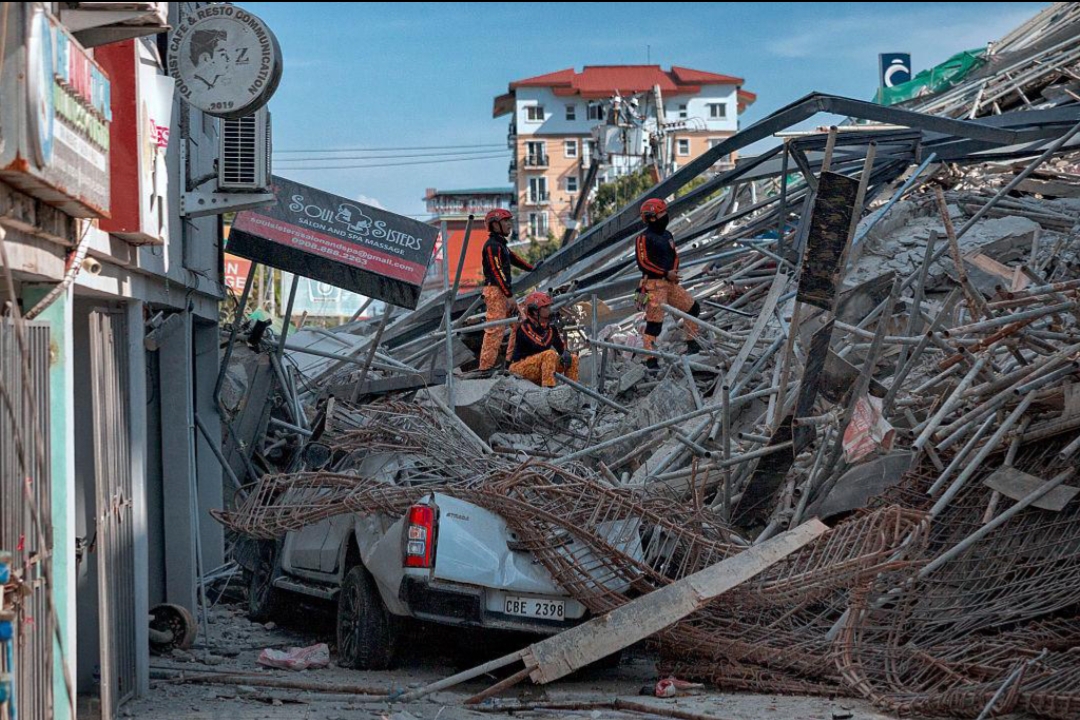
The earthquake caused severe damage to homes, schools, roads, and other infrastructure. Government estimates suggest that nearly 2,000 homes and around 6,000 public schools have been damaged. Many buildings collapsed completely, while others suffered major structural damage.
Roads in several areas have cracked or become blocked by landslides, making it difficult for rescue teams and aid workers to reach affected communities. In some towns, entire sections of highways have been buried under rocks and soil. Large parts of Mindanao remain without electricity and telephone services, further complicating relief efforts.
The earthquake also triggered tsunami warnings across parts of the Pacific region. Alerts were issued for areas south of Mindanao, parts of Indonesia, and Japan’s Pacific coast. As a precaution, tens of thousands of people were evacuated from coastal areas. Fortunately, no major tsunami damage has been reported.
Government disaster officials say their main focus is saving lives and helping injured survivors. Bernardo Alejandro, an assistant secretary involved in disaster response, said authorities hope the death toll will not rise significantly but warned that more casualties are likely to be discovered as rescue teams reach isolated areas.
The earthquake was caused by movement along the Cotabato Trench, located off the southern coast of the Philippines. This underwater trench is known for producing powerful earthquakes. In 1976, the same area generated a massive earthquake and tsunami that killed about 5,000 people.
Many residents described terrifying moments during the quake. Public school teacher Cesar Sundo from the town of Lebak said the ground shook violently for more than two minutes. He compared the feeling to being rocked strongly in a hammock.
Students at his school screamed and cried as the shaking intensified. Fortunately, many children were outside attending the regular Monday morning flag ceremony when the earthquake struck. This likely saved many lives because they were not inside buildings that could collapse.
Science Minister and veteran seismologist Renato Solidum also noted that many students survived because they were gathered outdoors. He described the earthquake as one of the strongest to hit the region in recent years.
Videos shared on social media showed dramatic scenes of destruction. Footage captured buildings collapsing, people running in panic, and children screaming as the ground shook. One widely viewed video showed a branch of the popular fast-food chain Jollibee collapsing in General Santos City while shocked bystanders watched nearby.
The company later announced that all of its employees in the affected areas were safe.
Philippine President Ferdinand Marcos Jr. said the government had mobilized all available resources to respond to the disaster. Senior officials, including the transportation and health secretaries, traveled from Manila to Mindanao to oversee emergency operations and coordinate assistance.
Health Secretary Teodoro Herbosa reported that aftershocks continued even as doctors treated injured victims in hospitals and emergency centers. Medical teams are working around the clock to provide care to hundreds of injured people.
Some communities remain difficult to reach. In the town of Jose Abad Santos in Davao Occidental, landslides have blocked the only major highway. Local officials say relief supplies must now be transported by air to some remote villages because road access is limited.
The Philippines frequently experiences earthquakes and volcanic eruptions because it lies along the Pacific Ring of Fire, one of the world's most active seismic zones. Despite being accustomed to earthquakes, many residents say the latest disaster was among the most frightening they have ever experienced.
As rescue teams continue searching through damaged buildings and isolated communities, thousands of families are facing uncertainty. Authorities are urging residents to remain alert for further aftershocks while emergency workers focus on saving lives and delivering aid to those most in need. The full scale of the disaster may not be known for several more days as assessments continue across the affected region.
Summary
A powerful 7.8-magnitude earthquake struck the southern Philippines, killing at least 37 people and injuring 487 others. Hundreds of aftershocks have continued to shake Mindanao Island, causing fear among residents and making rescue efforts more difficult. Officials warn that the death toll could rise as emergency teams reach badly affected areas. Thousands of homes and schools have been damaged, while landslides, power outages, and communication disruptions have affected large parts of the region.
Content




×
![]()