
The United States and Iran have once again found themselves at the center of growing tensions after both sides exchanged military strikes and harsh warnings. The latest developments have increased fears of a wider conflict in the Middle East, a region that has experienced years of instability due to political disputes, military confrontations, and competition for influence.
The situation intensified after the United States carried out strikes on Iranian military targets. According to US officials, the operation was launched after a US army helicopter was brought down in the Gulf region. American military leaders said the strikes targeted Iranian defense systems, radar sites, and ground control stations located near the Strait of Hormuz, one of the world's most important shipping routes for oil and trade.
Following the US action, Iran responded with military strikes of its own. Iran's Islamic Revolutionary Guard Corps (IRGC) announced that it had launched attacks against multiple targets linked to US forces in the region. Iranian officials claimed that several American military facilities were targeted, including locations in Bahrain and Jordan. Reports also indicated that Kuwait's military intercepted an incoming attack, highlighting the wider regional impact of the confrontation.
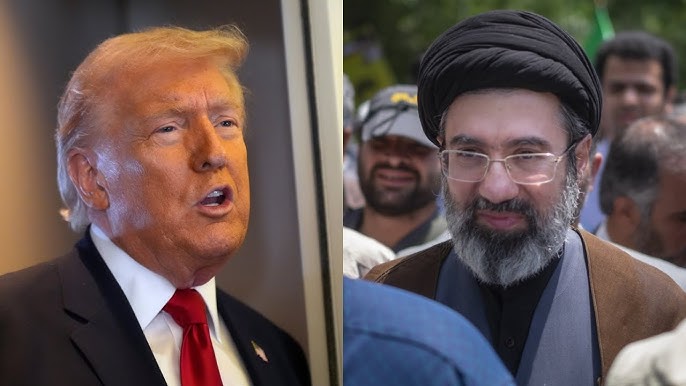
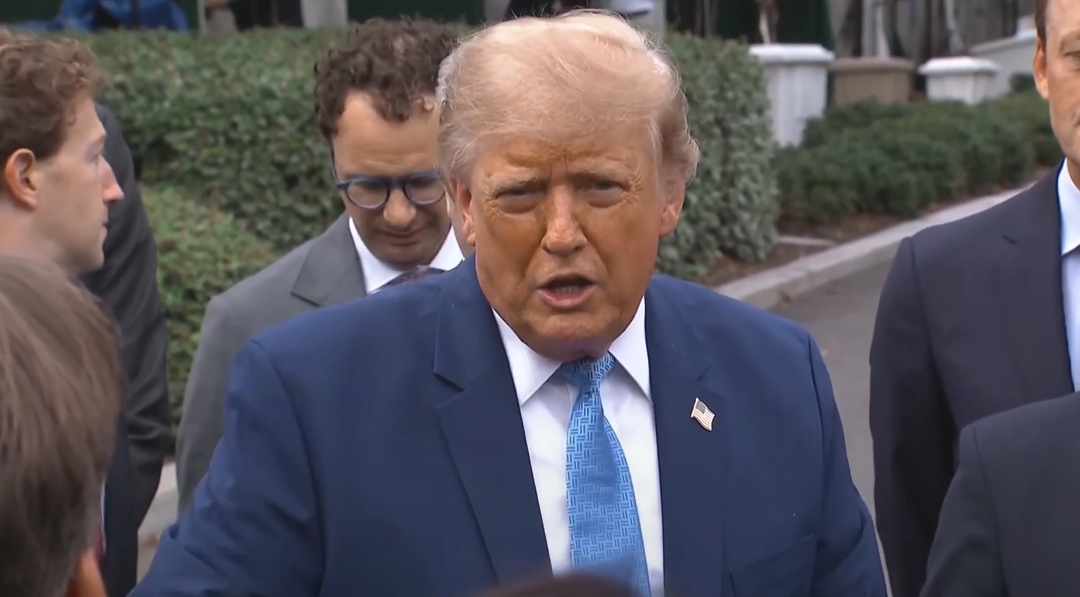
As the military exchange unfolded, leaders from both countries issued strong public statements. US President Donald Trump sharply criticized Iran, claiming that the country's military capabilities had been severely weakened. He argued that Iran had delayed negotiations for too long and said it would now face the consequences of its actions. Trump stated that Iran had missed an opportunity to secure a favorable agreement with the United States and suggested that further pressure could follow.
Trump's comments marked a significant shift in tone from remarks he had made earlier. Just a day before, he had expressed optimism about the possibility of reaching a new agreement with Iran, telling reporters that discussions were progressing and that a deal could be near. However, the latest military developments appear to have complicated those diplomatic efforts, raising questions about whether meaningful negotiations can continue in the current environment.
Iranian officials responded strongly to Trump's statements. Foreign Minister Abbas Araghchi declared that Iran would not allow any attack or threat to go unanswered. He emphasized that the country was prepared to defend its interests and would continue responding to what it views as hostile actions. Araghchi also claimed that the United States had faced setbacks in the confrontation and warned against underestimating Iran's ability to react.
At the same time, Iran's Foreign Ministry accused Washington of undermining diplomatic efforts. Officials argued that the United States had sent mixed messages by talking about negotiations while simultaneously conducting military operations. Iranian spokesperson Esmaeil Baqai said diplomacy requires trust, stability, and consistency, conditions he believes have been damaged by recent events.
The exchange of strikes has drawn attention because of the strategic importance of the areas involved. The Strait of Hormuz, located between the Persian Gulf and the Gulf of Oman, is one of the world's busiest maritime routes. A large percentage of global oil shipments pass through this narrow waterway every day. Any conflict in or around the strait can affect international energy markets, shipping operations, and regional security.
Military analysts note that confrontations between the United States and Iran often carry risks beyond the immediate targets involved. Both countries have significant influence in the Middle East, and tensions between them can affect neighboring states, international military alliances, and global economic stability. The involvement of countries such as Bahrain, Jordan, and Kuwait in recent reports demonstrates how quickly regional tensions can spread beyond the original dispute.
Many observers are concerned that continued retaliation by either side could lead to a cycle of escalation. In such situations, one military action is often followed by another, making it increasingly difficult for diplomatic solutions to succeed. While neither Washington nor Tehran has publicly announced plans for a large-scale war, the exchange of threats suggests that relations remain highly strained.
International observers and diplomatic experts have repeatedly urged both countries to return to dialogue. Negotiations have long been viewed as the most effective way to address disagreements over security concerns, regional influence, and other issues that have divided the two nations for decades. However, successful diplomacy typically requires a reduction in hostilities, something that appears difficult to achieve while military operations continue.
The latest confrontation also highlights the fragile nature of ceasefire arrangements and diplomatic understandings in the region. Iranian officials have accused the United States of violating commitments, while American leaders argue that their actions are necessary to protect US forces and interests. These competing narratives make it challenging to establish common ground for future talks.
For now, the situation remains uncertain. Both sides continue to exchange warnings, and neither appears willing to back down publicly. The coming days will likely determine whether the crisis moves toward further military escalation or whether diplomatic channels can be reopened.
As tensions remain high, governments around the world are closely monitoring developments. Any significant increase in conflict could have consequences not only for the United States and Iran but also for regional stability, international trade, and global energy supplies. The world is watching to see whether the two countries choose confrontation or diplomacy as the next chapter in their increasingly tense relationship.
Summary
Tensions between the United States and Iran have risen again after both countries exchanged military strikes and strong warnings. US President Donald Trump said Iran would “pay the price” for its actions, while Iranian officials vowed to respond to any future attacks. The latest developments have raised concerns about stability in the Middle East and the future of diplomatic talks between Washington and Tehran.
Content
×
![]()