
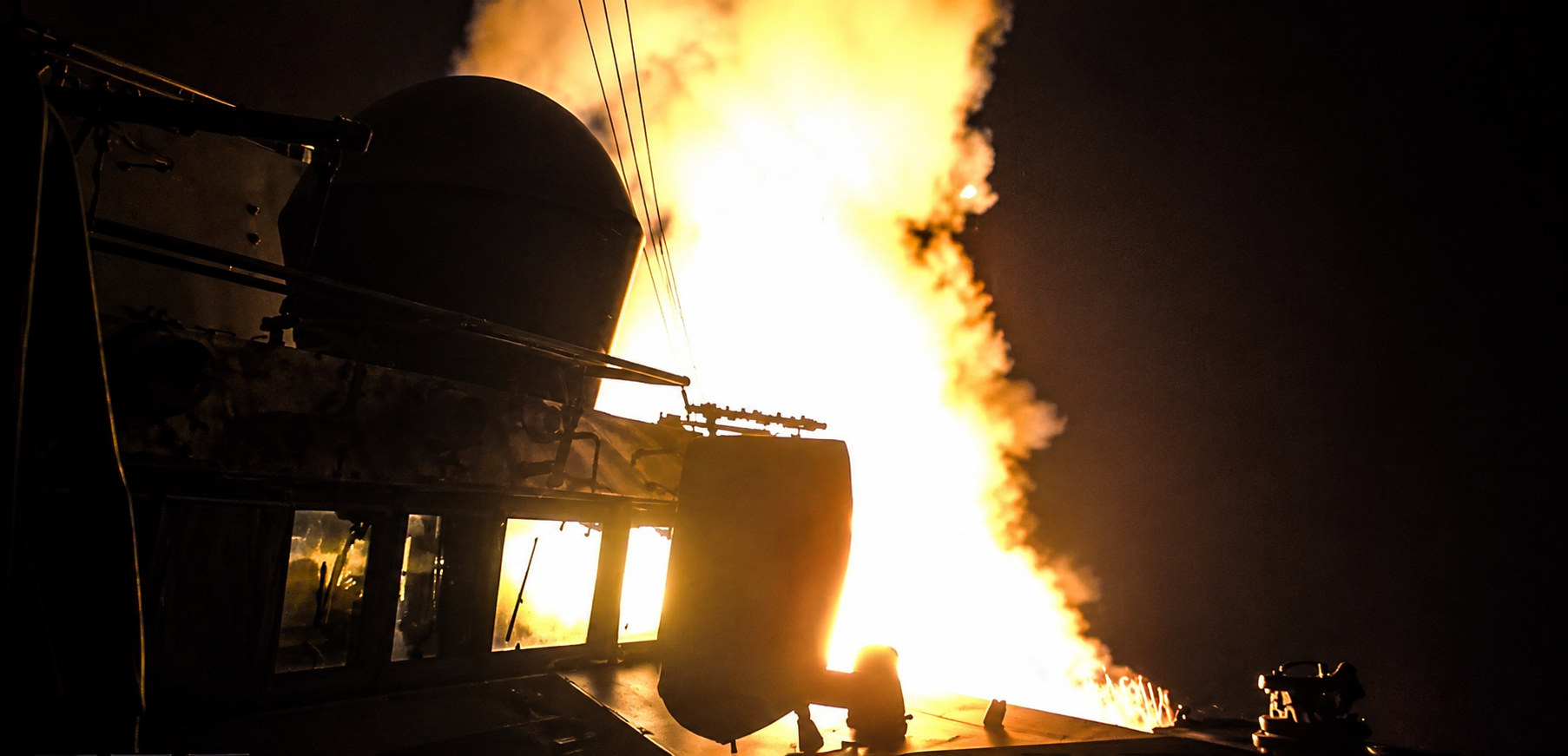
A new round of military confrontation between the United States and Iran has dramatically increased tensions across the Middle East. The latest escalation began when the United States carried out fresh air strikes on multiple locations inside Iran following orders from President Donald Trump. In response, Iran launched attacks against American military facilities in the Gulf region and announced the closure of the strategically important Strait of Hormuz.
According to the US military, the strikes were carried out late on Wednesday and targeted several Iranian locations. American officials described the operation as a response to what they called Iran's continued aggressive actions. The strikes reportedly focused on military-related targets, including areas around Qeshm Island and other locations near the Strait of Hormuz.
Iranian state media reported explosions in several areas, including Qeshm Island, Bandar Abbas, and Sirik. These locations are situated along the Strait of Hormuz, a narrow but highly important waterway through which a significant portion of the world's oil and gas shipments pass every day. Additional explosions were reported in the southern city of Kargan, where at least two people were injured.
The Iranian government strongly condemned the US attacks. Iran's Islamic Revolutionary Guard Corps (IRGC) accused Washington of violating the ceasefire that had been established earlier in the year. Iranian officials argued that the United States had repeatedly broken commitments made during negotiations and had chosen military action instead of diplomacy.
In retaliation, the IRGC announced that it had launched drone and missile attacks against several American military facilities in the Gulf region. Iranian officials claimed that the attacks targeted Bahrain's Sheikh Isa Air Base as well as Kuwait's Ali Al Salem Air Base and Ahmad Al-Jaber Air Base. The extent of the damage remains unclear, and independent confirmation of Iran's claims has not yet been fully established.
One of the most significant developments was Iran's announcement that the Strait of Hormuz had been closed "until further notice." Iranian military officials stated that all maritime traffic through the waterway would be affected. The decision immediately raised concerns among governments, shipping companies, and global energy markets because the strait is considered one of the world's most important trade routes.
The Strait of Hormuz connects the Persian Gulf with the Gulf of Oman and the Arabian Sea. Every day, millions of barrels of oil pass through this narrow channel. Countries throughout the world depend on energy supplies transported through the strait. Any disruption can affect fuel prices, shipping costs, and the global economy.
Iran also claimed that two oil tankers attempting to pass through the strait were struck. These reports have further increased fears about the safety of commercial shipping in the region. Maritime security experts have warned that continued fighting could create serious risks for civilian vessels operating near the conflict zone.
The latest escalation follows another major incident that occurred just a day earlier. The United States and Iran had already exchanged military strikes after the downing of a US Apache helicopter near the Strait of Hormuz. Although the helicopter's crew was later rescued, the incident marked a major deterioration in relations between the two countries.
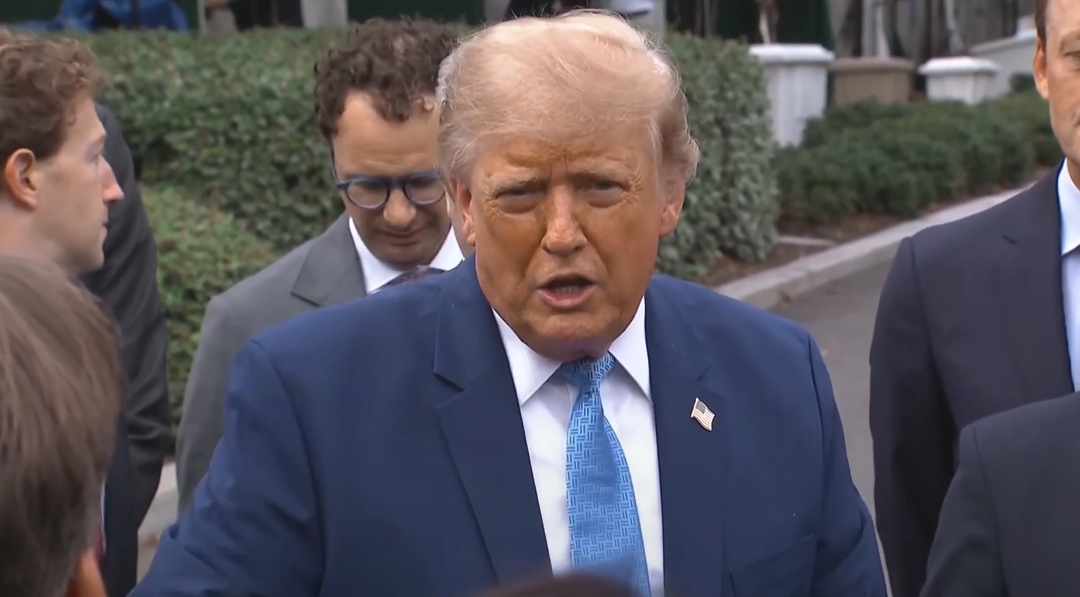
President Donald Trump defended the latest American military action and accused Iran of delaying peace negotiations. Speaking to reporters at the White House, Trump said that Iran had been close to reaching an agreement with the United States but had continued to stall discussions. He warned that Iran could face even stronger military action if it failed to cooperate.
Trump also repeated these warnings on social media, stating that Iran had taken too long to negotiate a peace agreement and would now have to face consequences. During an interview with Fox News, he went further by suggesting that important infrastructure inside Iran, including power plants and bridges, could become targets if Tehran refused to sign a deal.
Iranian President Masoud Pezeshkian quickly responded to Trump's remarks. In a message posted on social media, he criticized threats against civilian infrastructure and argued that such statements reflected weakness rather than strength. He emphasized that Iran would continue to rely on national unity, scientific expertise, and domestic capabilities to resist outside pressure.
The growing crisis comes only days after another round of military exchanges between Iran and Israel. Although a ceasefire had ended weeks of fighting earlier in the year, tensions have remained high. Recent clashes between Israel and Iran, combined with the renewed confrontation involving the United States, have increased fears of a broader regional conflict.
Diplomatic efforts to secure a lasting peace agreement have also faced major obstacles. The United States and Iran are currently engaged in indirect negotiations aimed at reaching an interim deal that could reduce hostilities. However, significant disagreements remain unresolved.
Iran has demanded relief from economic sanctions and access to frozen financial assets held abroad. Tehran argues that these measures are necessary to rebuild its economy and restore public confidence. The United States, meanwhile, continues to seek restrictions on Iran's nuclear activities and regional military influence.
Another major point of disagreement involves Lebanon. Iran has insisted that any broader agreement with Washington should include an end to military operations in Lebanon. Israel, however, maintains that its campaign against Hezbollah is a separate issue and should not be linked to US-Iran negotiations.
As military operations continue and diplomatic efforts struggle to gain momentum, concerns about regional stability are growing. Analysts warn that further escalation could involve additional countries across the Middle East, threatening global energy supplies and increasing the risk of a wider conflict.
For now, the situation remains highly volatile. With Iran closing the Strait of Hormuz, attacking US bases, and warning of further retaliation, and with Washington threatening additional strikes, the possibility of a larger confrontation remains a major concern for the international community. Governments around the world are closely monitoring developments as the crisis enters a dangerous new phase.
Summary
The conflict between the United States and Iran has intensified after the US launched new strikes on Iranian targets. Iran responded by attacking US military bases in Bahrain and Kuwait and announced the closure of the Strait of Hormuz, one of the world's most important shipping routes. The latest escalation has raised fears of a wider regional conflict and possible disruptions to global oil supplies.
Content

×
![]()