
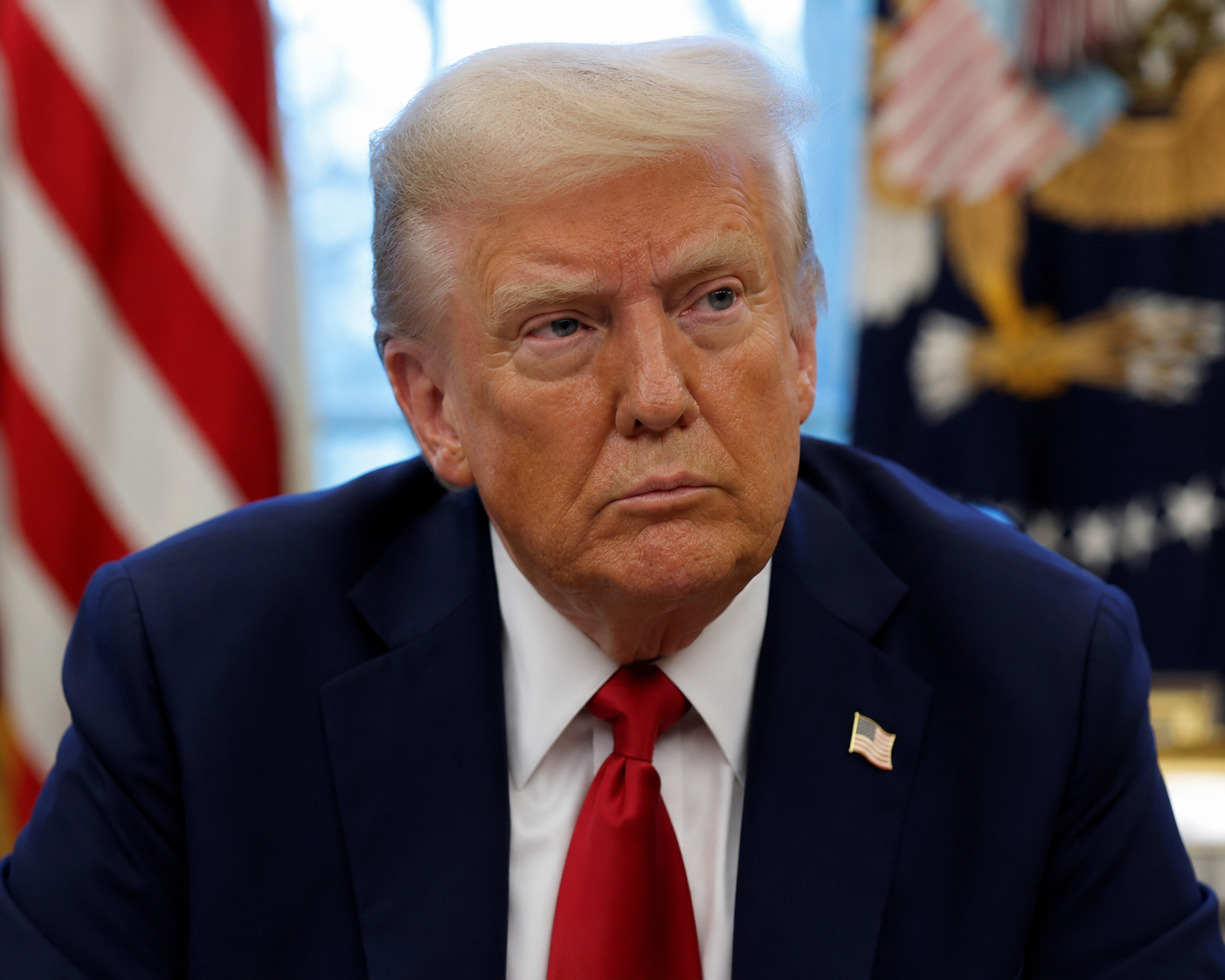
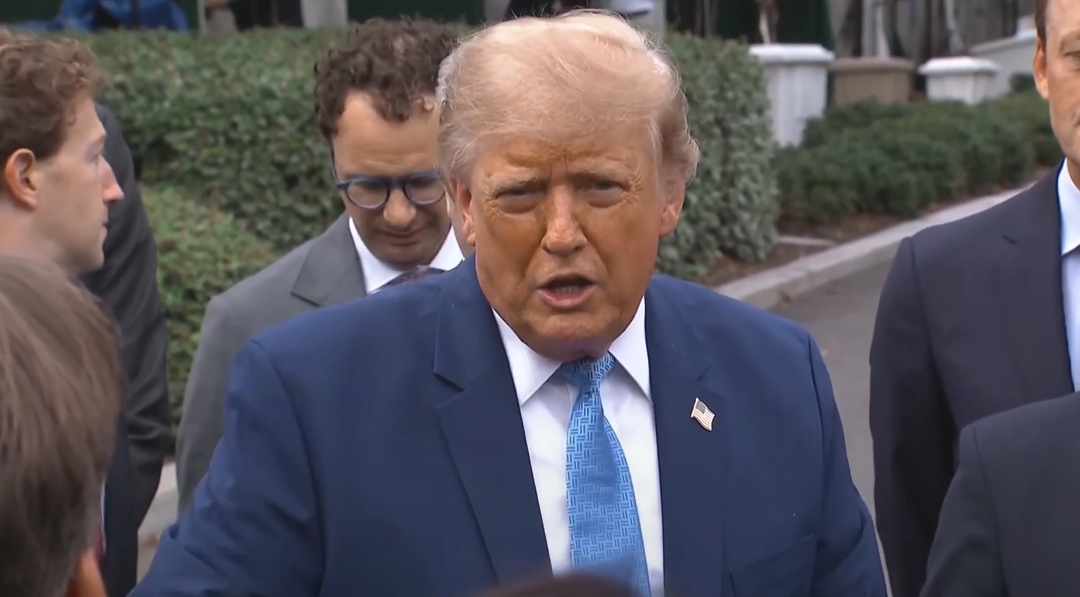
President Donald Trump has announced that the United States and Iran are close to reaching an agreement that could help end the ongoing conflict between the two countries. Speaking at the White House, Trump said a deal was nearly complete and described it as a major step toward peace and stability in the Middle East.
According to Trump, the proposed agreement would ensure that Iran does not develop nuclear weapons. He said this was the main goal behind the military and diplomatic efforts of recent months. Trump told reporters that the documents were almost finalized and that a formal signing ceremony could take place soon, possibly in Europe.
The US president also claimed that the agreement would help reopen the Strait of Hormuz, one of the world's most important shipping routes. The waterway is used to transport large amounts of oil and natural gas. Any disruption in the area can affect energy prices and global trade.
However, Iranian officials responded cautiously to Trump's announcement. Iran's Foreign Ministry spokesperson, Esmail Baghaei, said reports of a final agreement were speculative and that no deal had yet been completed. He acknowledged that much of the proposed text had been prepared but said disagreements remained between the two sides.
Baghaei stated that the United States had introduced new demands during negotiations and that Iran would not cross its "red lines." This suggests that important issues are still being discussed before any agreement can be signed.
The latest developments come after months of tensions between Washington and Tehran. The conflict escalated when the United States and Israel carried out large-scale strikes on Iranian targets. Iran responded with attacks against Israel and countries allied with the United States in the Gulf region.
The situation worsened further when Iran effectively closed the Strait of Hormuz, creating concerns about disruptions to global energy supplies. The closure caused uncertainty in international markets because a significant portion of the world's oil passes through the narrow waterway.
Although the two countries agreed to a ceasefire earlier in the year, military exchanges have continued. This week alone, both sides carried out retaliatory strikes against each other's interests. These actions have raised fears that the conflict could expand into a larger regional war.
Trump's announcement appeared to calm some of those concerns. Following his comments, oil prices fell sharply as investors hoped a diplomatic solution might be within reach. Lower oil prices are often seen as a sign that markets expect reduced risks to energy supplies.
Trump also said he had spoken with several leaders from the Middle East, including Israeli Prime Minister Benjamin Netanyahu. According to Trump, regional leaders welcomed efforts to reach an agreement and reduce tensions.
The Israeli government confirmed that Netanyahu had spoken with Trump. However, Israeli officials emphasized that Israel is not a direct party to the proposed agreement between the United States and Iran. Israel has long expressed concerns about Iran's nuclear activities and missile programs.
Israeli officials said they support efforts that would remove enriched nuclear material from Iran, dismantle enrichment facilities, limit missile production, and reduce support for armed groups operating across the region.
Earlier on the same day, Trump had issued a much tougher warning. In a social media post, he threatened severe military action against Iran and suggested possible attacks on important Iranian oil facilities, including Kharg Island. The island is responsible for handling most of Iran's oil exports and is considered strategically important to the country's economy.
Iran quickly responded to those threats. Iranian military officials warned that any new attacks on the country's energy infrastructure would lead to a stronger response. They argued that if Iran's oil exports were targeted, regional energy security could be affected for everyone.
Iranian leaders also warned that aggressive actions could trap the United States in a long and costly conflict. Officials urged Washington to choose diplomacy instead of military pressure.
Meanwhile, military activity has continued in the region. The United States carried out strikes on military and radar sites in southern Iran, while Iran launched attacks against American military facilities in Bahrain, Kuwait, and Jordan. Regional governments reported intercepting missiles and drones, preventing greater damage.
The violence has also affected civilians. Authorities in Bahrain reported that an Iranian drone attack injured an 11-year-old girl and damaged homes and vehicles. Such incidents have increased concerns about the humanitarian impact of the conflict.
International reactions have focused on preventing further escalation. The United Nations expressed deep concern about the continued fighting and called on all sides to respect ceasefire commitments. UN officials warned that further military action could destabilize the entire region.
Several countries, including Pakistan, Russia, China, Turkey, India, and Saudi Arabia, have also called for calm and encouraged diplomatic negotiations. These nations fear that a prolonged conflict could harm regional security, global trade, and economic growth.
For now, the future of the proposed agreement remains uncertain. While Trump says a deal is close, Iranian officials insist that important issues still need to be resolved. The coming days will likely determine whether diplomacy succeeds or whether tensions continue.
If an agreement is reached, it could reduce the risk of further conflict, improve regional stability, and ease concerns about global energy supplies. If negotiations fail, however, the Middle East could face renewed uncertainty and a higher risk of military escalation. The world is now watching closely to see whether the two sides can turn negotiations into a lasting peace agreement.
Summary
US President Donald Trump says a deal to end the conflict with Iran is close and claims both sides are nearing an agreement that would prevent Iran from obtaining nuclear weapons. Iran, however, says no final agreement has been reached and that negotiations are still ongoing. The announcement comes after weeks of military strikes, rising tensions in the Middle East, and concerns about global energy supplies and economic stability.
Content

×
![]()