
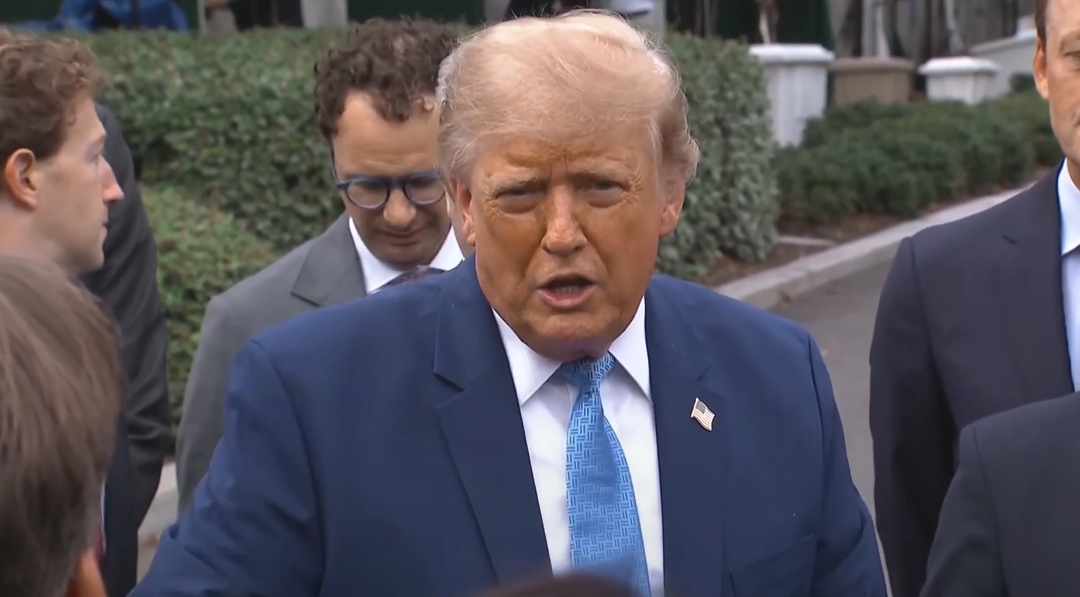
The recent agreement signed by US President Donald Trump and Iranian President Masoud Pezeshkian has brought a temporary end to a conflict that lasted for months and caused significant destruction across the Middle East. While the deal has been welcomed as a step toward peace, it has also raised serious questions about what the war actually achieved and whether its costs were worth the outcome.
The conflict began on February 28 when the United States and Israel launched military operations against Iran. The stated goal was to weaken Iran’s leadership, reduce its regional influence, and prevent it from becoming a greater threat in the Middle East. However, the results appear very different from what many supporters of the war expected.
Thousands of people have been killed during the conflict, including large numbers of civilians in Iran and Lebanon. Cities, infrastructure, and economies have suffered damage, while millions of people have lived under the threat of airstrikes and military attacks.
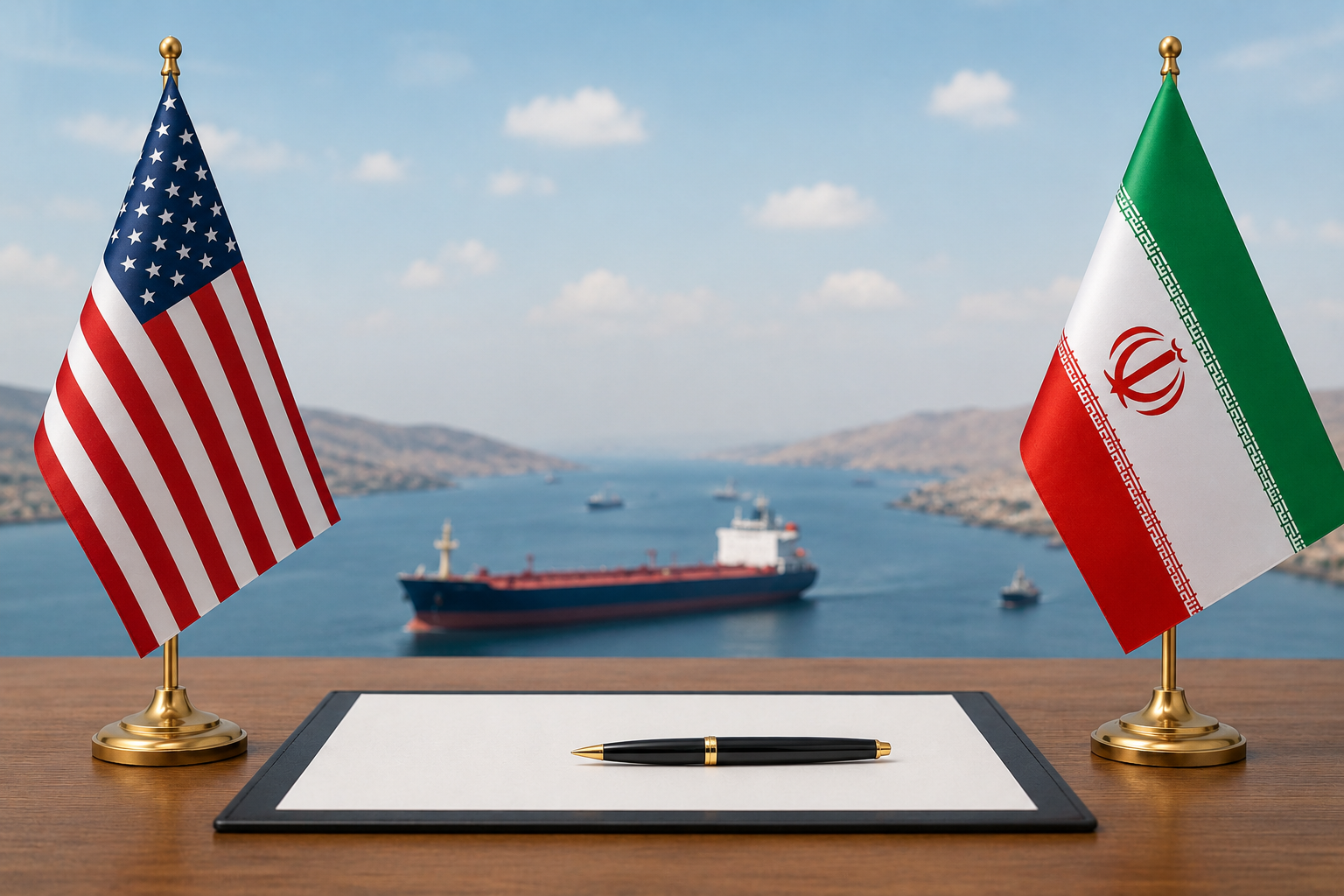
One of the most significant consequences of the war was Iran’s decision to close the Strait of Hormuz. This narrow waterway is one of the most important shipping routes in the world, carrying a large portion of global oil and gas supplies. By disrupting traffic through the Strait, Iran placed enormous pressure on international markets and created fears of a global economic slowdown.
The closure of the Strait had immediate consequences. Energy prices increased, shipping routes were disrupted, and governments around the world became concerned about the stability of global trade. According to many analysts, this pressure played a major role in pushing both sides toward negotiations.
Under the newly signed Memorandum of Understanding (MoU), Iran has agreed to reopen the Strait of Hormuz and allow safe passage for commercial vessels. In return, the United States has agreed to ease restrictions on Iranian ports, lift sanctions, and support measures that could help Iran recover economically.
Critics of the war argue that these outcomes simply return the situation to where it was before the conflict began. Before the war, ships were already moving through the Strait of Hormuz, and American and Iranian officials were already discussing a possible nuclear agreement. Because of this, many observers question why such a costly conflict was necessary.
Another important issue is the impact on regional politics. The agreement includes language calling for an end to military operations in Lebanon. This has created tensions because Israel has indicated that it wants to maintain freedom of action against armed groups operating there.
Iranian officials have warned that future Israeli attacks in Lebanon could violate the terms of the agreement. This disagreement has the potential to create new tensions between the United States and Israel, two countries that have traditionally been close allies.
Many analysts also believe that Iran emerged from the conflict stronger than expected. Despite facing military attacks from both the United States and Israel, Iran’s government survived and maintained control. Predictions that the Iranian leadership would collapse proved incorrect.
The survival of the government has strengthened the confidence of many Iranian leaders. They argue that the country successfully resisted military pressure and forced the United States to negotiate. This narrative could increase support for Iran’s leadership among some groups inside the country.
The war also highlighted the importance of economic pressure in modern conflicts. Rather than relying only on military forces or regional allies, Iran demonstrated that controlling a key trade route can have a major impact on global politics. The closure of the Strait of Hormuz affected countries far beyond the Middle East and became one of Tehran’s most powerful bargaining tools.
For Israel, the outcome may create political challenges. Prime Minister Benjamin Netanyahu strongly supported military action against Iran and had long argued that stronger measures were necessary. However, the agreement means that many of the original goals remain unresolved, particularly regarding Iran’s nuclear program.
The memorandum is not a final peace treaty. Instead, it creates a framework for further negotiations over the next 60 days. During this period, diplomats from both countries will attempt to reach a lasting agreement on nuclear issues, sanctions, security concerns, and regional stability.
The success of those negotiations is far from guaranteed. Deep mistrust remains between Washington and Tehran. President Trump has warned that military action could resume if Iran fails to follow the agreement, while Iranian leaders continue to express skepticism about American intentions.
Hardliners on both sides also oppose compromise. Some political figures in the United States, Iran, and Israel believe the agreement gives too many concessions to the other side. Their opposition could complicate efforts to achieve a final deal.
Despite these challenges, many observers agree that diplomacy offers a better path than continued warfare. The conflict caused widespread suffering, economic disruption, and uncertainty throughout the region. A successful agreement could reduce tensions, improve economic conditions, and lower the risk of future military confrontations.
For now, the war has ended with an agreement that many see as both a diplomatic breakthrough and a reminder of the limits of military power. Whether the deal leads to lasting peace or simply delays another crisis will depend on the difficult negotiations that lie ahead. The next two months could prove decisive not only for US-Iran relations but also for the future stability of the Middle East.
Summary
A new agreement between the United States and Iran has ended months of conflict and reopened the Strait of Hormuz, a vital global shipping route. However, many experts and analysts are questioning what the war achieved, given the heavy loss of life, economic damage, and the fact that many key issues remain unresolved. The deal has also created political challenges for both the US and Israel while strengthening Iran’s position ahead of future negotiations.
Content

×
![]()