
US Pressure May Be Limiting Israeli Attacks in Southern Lebanon
Israel continues to maintain a military presence in southern Lebanon, but recent reports suggest that its military operations in the area may be more limited than before. According to military analysts and media reports, pressure from the United States could be one of the main reasons behind this restraint.
Israeli leaders have repeatedly stated that they do not plan to withdraw their forces from southern Lebanon. The government argues that keeping troops in the area is necessary for security reasons and to prevent threats from Hezbollah, the Lebanese armed group that has frequently clashed with Israel.
However, military experts say that Israeli forces currently face restrictions on the types of attacks they can carry out. Analysts believe that Israeli troops are mainly allowed to target Hezbollah fighters or individuals who pose an immediate threat to their positions. Larger military operations or broader attacks appear to be less common.
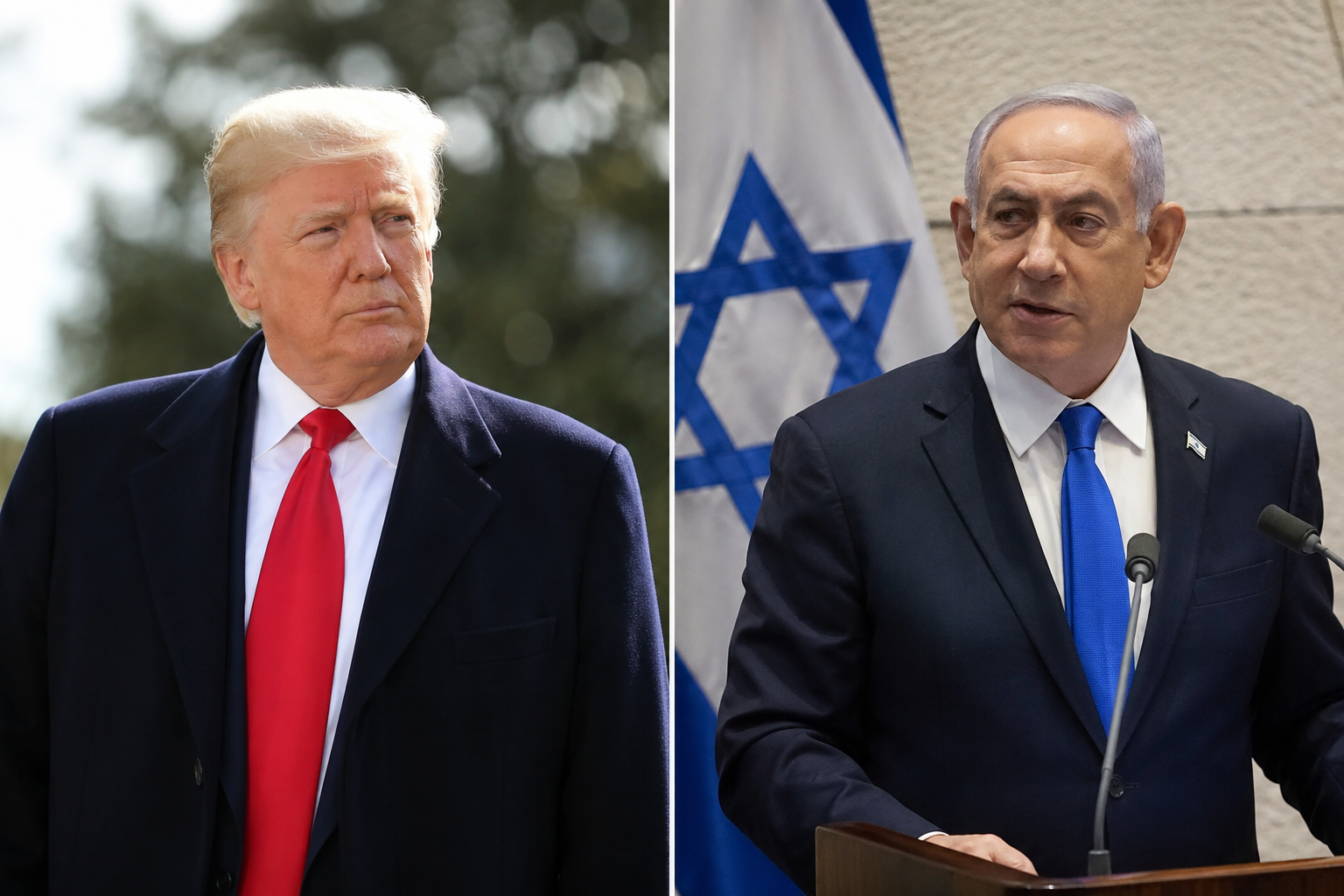
Although Israel has not publicly announced any changes to its military policy, reports from Israeli media suggest that officials are aware of growing pressure from Washington. According to comments reported by Channel 12, some Israeli officials believe the United States is encouraging the Netanyahu government to avoid actions that could lead to a wider conflict.
The United States has been closely involved in efforts to reduce tensions in the Middle East. American officials have repeatedly expressed concerns that an expansion of fighting between Israel and Hezbollah could destabilize the region and create a larger humanitarian crisis. As a result, Washington has reportedly urged caution while continuing to support Israel's security needs.
The situation along the Israel-Lebanon border has remained tense for months. Exchanges of fire, drone attacks, and air strikes have raised fears that the conflict could grow into a full-scale war. Both sides have suffered losses, and civilians living near the border have faced significant disruption to their daily lives.
Israeli officials continue to argue that maintaining military positions in southern Lebanon is important for national security. They say Hezbollah remains a serious threat and that Israeli forces must be prepared to respond to any attacks. At the same time, the government appears to be balancing these security concerns with international pressure, particularly from the United States.
Observers note that American influence has often played an important role in Israeli decision-making during regional conflicts. The strong relationship between the two countries means that Washington's views can carry significant weight, especially when it comes to military operations that could affect regional stability.
Supporters of a more cautious approach argue that reducing attacks can help prevent unnecessary escalation and create opportunities for diplomacy. They believe that avoiding a wider conflict would benefit both Israel and Lebanon, as well as neighboring countries that could be affected by further violence.
Others, however, argue that limiting military actions could allow Hezbollah to strengthen its position. These critics believe Israel should maintain strong pressure on armed groups operating near its border.
For now, the situation remains uncertain. Israel continues to insist that it will not withdraw from southern Lebanon, while reports suggest that its military actions are being carefully managed. Whether this restraint is mainly due to American pressure, strategic calculations, or a combination of both remains a subject of debate.
What is clear is that the United States continues to play an important role behind the scenes as efforts continue to prevent the conflict from expanding into a larger regional war.
Summary
Reports suggest that pressure from the United States may be influencing Israel to reduce its military attacks in southern Lebanon. While Israel says it will keep troops in the area, military experts believe its actions have become more limited. Israeli officials reportedly think American pressure is encouraging the government to avoid wider military operations and prevent further escalation in the region.
Content

×
![]()