
The poll found that only 25 percent of respondents think the war was worth the financial, military, and political costs. In contrast, around 50 percent said the conflict was not worth it. The remaining respondents said they were unsure or did not have a clear opinion on the matter.
Many Americans are also doubtful about the future of the ceasefire between the United States and Iran. A majority of those surveyed said they believe the ceasefire is unlikely to last for a long period. This reflects concerns that tensions between the two countries could rise again and potentially lead to renewed conflict in the future.
The survey also asked Americans whether they believe the United States is now in a stronger or weaker position regarding Iran compared with before the war began. Only 23 percent said the United States is in a stronger position. Meanwhile, 35 percent said the country is now in a weaker position than it was before the conflict. The rest either felt there had been little change or were unsure.
These findings suggest that many Americans are not convinced the military operation achieved significant benefits. While supporters of the conflict argue that it reduced threats from Iran and strengthened American security, critics believe the war created new risks and failed to deliver clear long-term advantages.
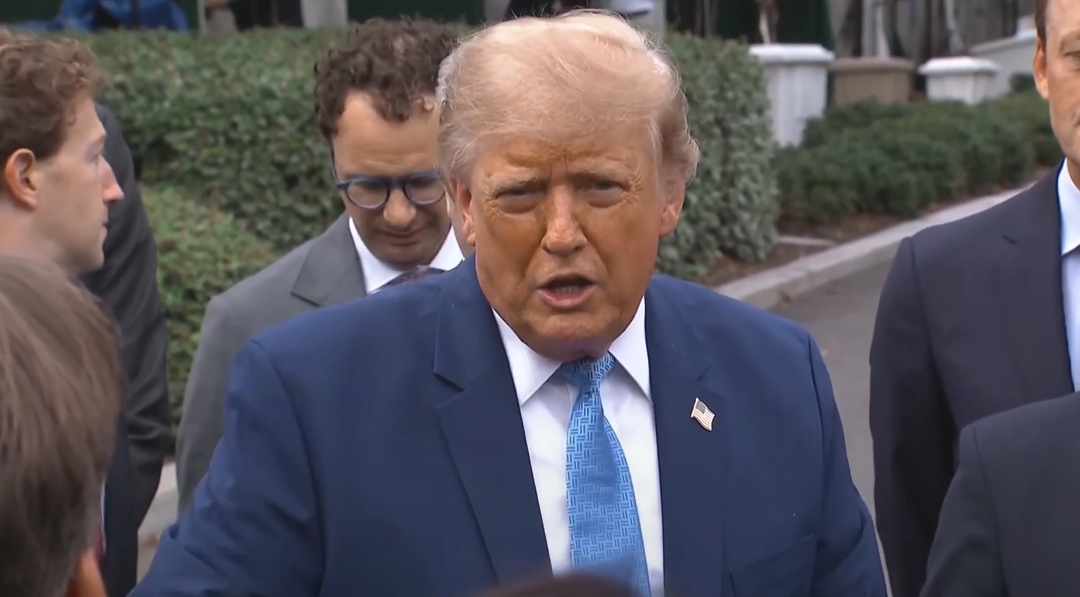
The poll also revealed political consequences for President Donald Trump. His approval rating fell to 34 percent, matching the lowest level recorded during his second term. The same approval level was previously seen in an April Reuters/Ipsos survey.
Political analysts say foreign policy decisions often influence public opinion, especially when military action is involved. Many voters closely watch how conflicts affect national security, government spending, and international stability. If people believe a war causes more problems than it solves, support for political leaders can decline.
The conflict with Iran attracted worldwide attention. Supporters of the military campaign argued that it was necessary to stop Iran from developing nuclear weapons and to protect American interests in the Middle East. They claimed that strong action would increase pressure on Tehran and discourage future threats.
However, opponents argued that the war carried major risks. They warned that military action could destabilize the region, increase tensions with Iran's allies, and place American forces in danger. Some critics also questioned whether the benefits justified the financial costs and potential loss of life associated with military operations.
The poll results indicate that many Americans remain divided over these arguments. While a portion of the public supports the actions taken against Iran, a much larger group appears uncertain or dissatisfied with the outcome.
Another important finding is the level of concern about the ceasefire. Many respondents believe the current pause in fighting may not be permanent. This concern reflects a broader fear that tensions between Washington and Tehran could quickly return if disagreements over security, nuclear activities, or regional influence continue.
International observers have also been watching developments closely. A lasting ceasefire could reduce tensions across the Middle East and lower the risk of disruptions to global energy markets. However, if the ceasefire collapses, the region could once again face instability and uncertainty.
The decline in President Trump's approval rating may become an important political issue in the coming months. Public opinion polls often influence political strategies, and leaders frequently adjust their messaging based on voter concerns. If dissatisfaction with the Iran conflict continues, it could affect debates about foreign policy and national security.
Despite the mixed reactions, some Americans remain hopeful that the ceasefire will hold and that diplomatic efforts can prevent further fighting. Supporters of negotiations argue that dialogue is the best way to address disagreements and reduce the risk of future conflict.
For now, the Reuters/Ipsos poll paints a clear picture of public opinion: many Americans remain skeptical about the benefits of the war with Iran, are concerned about the future of the ceasefire, and are uncertain whether the conflict has left the United States in a stronger position than before. As political leaders continue to discuss the consequences of the war, public opinion is likely to remain an important factor in shaping future decisions.

Summary
A new poll shows that many Americans are unhappy with the recent war with Iran. Only 25% believe the conflict was worth its costs, while half of those surveyed said it was not worth it. The poll also found concerns about the future of the ceasefire and a drop in President Donald Trump's approval rating.
Writing
Only One in Four Americans Say Iran War Was Worth It, New Poll Finds
A new poll suggests that many Americans are questioning the value of the recent war between the United States and Iran. According to the survey, only about one in four Americans believes the conflict was worth the costs involved. The findings highlight growing concerns among the public about the impact of the war and whether it achieved its goals.
Content

×
![]()