
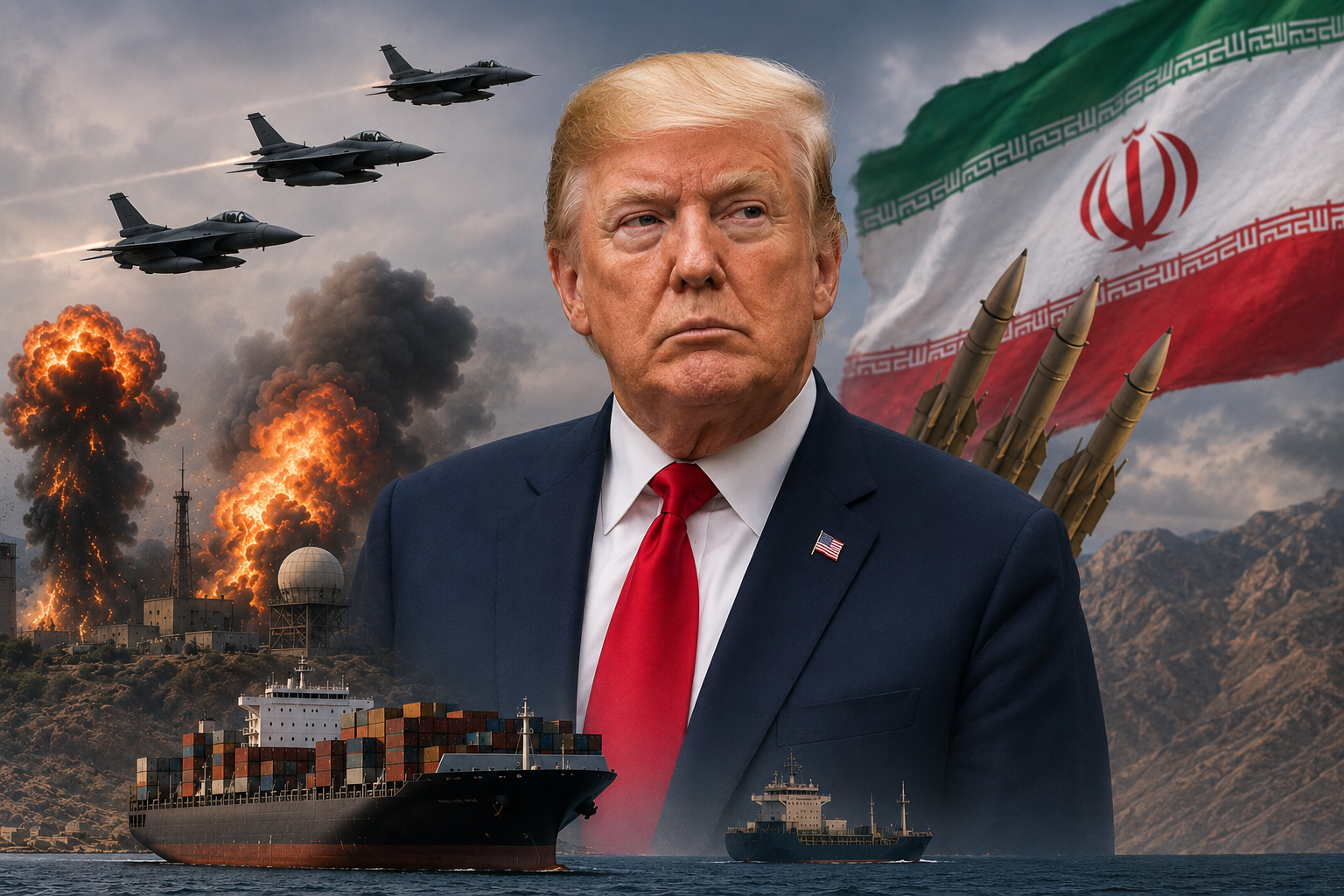
Tensions between the United States and Iran have escalated once again after US forces carried out strikes on Iranian military targets following a drone attack on a commercial cargo ship in the Strait of Hormuz.
The crisis began when the Singapore-flagged cargo vessel Ever Lovely was struck by a one-way attack drone while sailing near Oman. Although the vessel remained operational and no injuries were reported, the attack immediately raised concerns about security in one of the world's most important shipping routes.
The United States accused Iran of being behind the attack and described it as a violation of a recent ceasefire agreement aimed at reducing hostilities in the region. In response, US Central Command launched strikes against Iranian missile storage facilities, drone sites, and coastal radar positions.
American officials said the operation was intended to protect commercial shipping and maintain freedom of navigation through the Strait of Hormuz, a critical waterway through which a large portion of the world's oil and gas supplies pass every day.
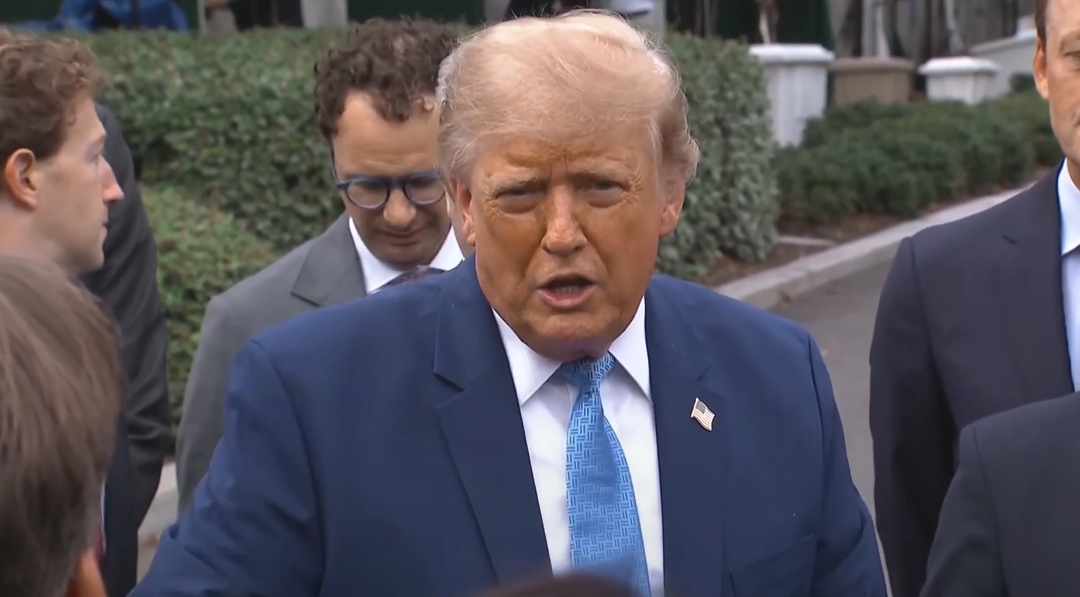
President Donald Trump warned that attacks on international shipping would not be tolerated and indicated that the United States would respond forcefully to any threats against maritime trade.
Iran strongly condemned the strikes. The Islamic Revolutionary Guard Corps (IRGC) accused Washington of violating previous commitments and carrying out attacks under false justifications. Iranian officials said the US action represented a dangerous escalation that could destabilize the region.
The IRGC later issued a warning, stating that any further attacks against Iran would be met with a stronger and more extensive response. While no new Iranian military retaliation had been officially confirmed at the time of reporting, Tehran made clear that it considered the US strikes an act of aggression.
The latest confrontation comes despite efforts by both countries to reduce tensions. Earlier this month, Washington and Tehran reached an understanding designed to improve security in the Strait of Hormuz and ensure safe passage for commercial vessels.
The Strait of Hormuz remains one of the most strategically important waterways in the world. Any disruption in the area can affect global energy markets, increase shipping costs, and impact economies far beyond the Middle East.
International organizations and world leaders have called for restraint, warning that further escalation could threaten regional stability. Shipping companies are also monitoring the situation closely as concerns grow about the safety of vessels operating in the Gulf.
The attack on the cargo ship, the US military response, and Iran's threats of retaliation have created fresh uncertainty in an already tense region. With both sides exchanging accusations and warnings, the risk of a broader confrontation remains a major concern for the international community.
For now, the world is watching closely to see whether diplomacy can prevent further conflict or whether the latest crisis will lead to another dangerous chapter in US-Iran relations.
Summary
The United States launched airstrikes on Iranian military facilities after a cargo ship was hit by a drone in the Strait of Hormuz. Washington accused Iran of violating a recent ceasefire agreement, while Iran's Islamic Revolutionary Guard Corps (IRGC) condemned the strikes and promised a strong response. The incident has raised tensions across the Middle East and sparked concerns over global shipping and energy supplies.
Content


×
![]()