
A fragile ceasefire between the United States and Iran is under growing pressure after both countries exchanged military attacks in the Gulf region, increasing fears of a wider conflict.
The latest escalation began after Washington accused Iran of carrying out a drone attack on a commercial cargo ship traveling through the Strait of Hormuz, one of the world's most important shipping routes. The United States said the attack violated the ceasefire agreement that had been reached earlier this month.
In response, the US military launched strikes on several Iranian military targets. According to US Central Command (CENTCOM), the attacks focused on missile storage facilities, drone sites, and coastal radar positions in southern Iran. US officials described the operation as a direct response to what they called Iranian aggression against commercial shipping.
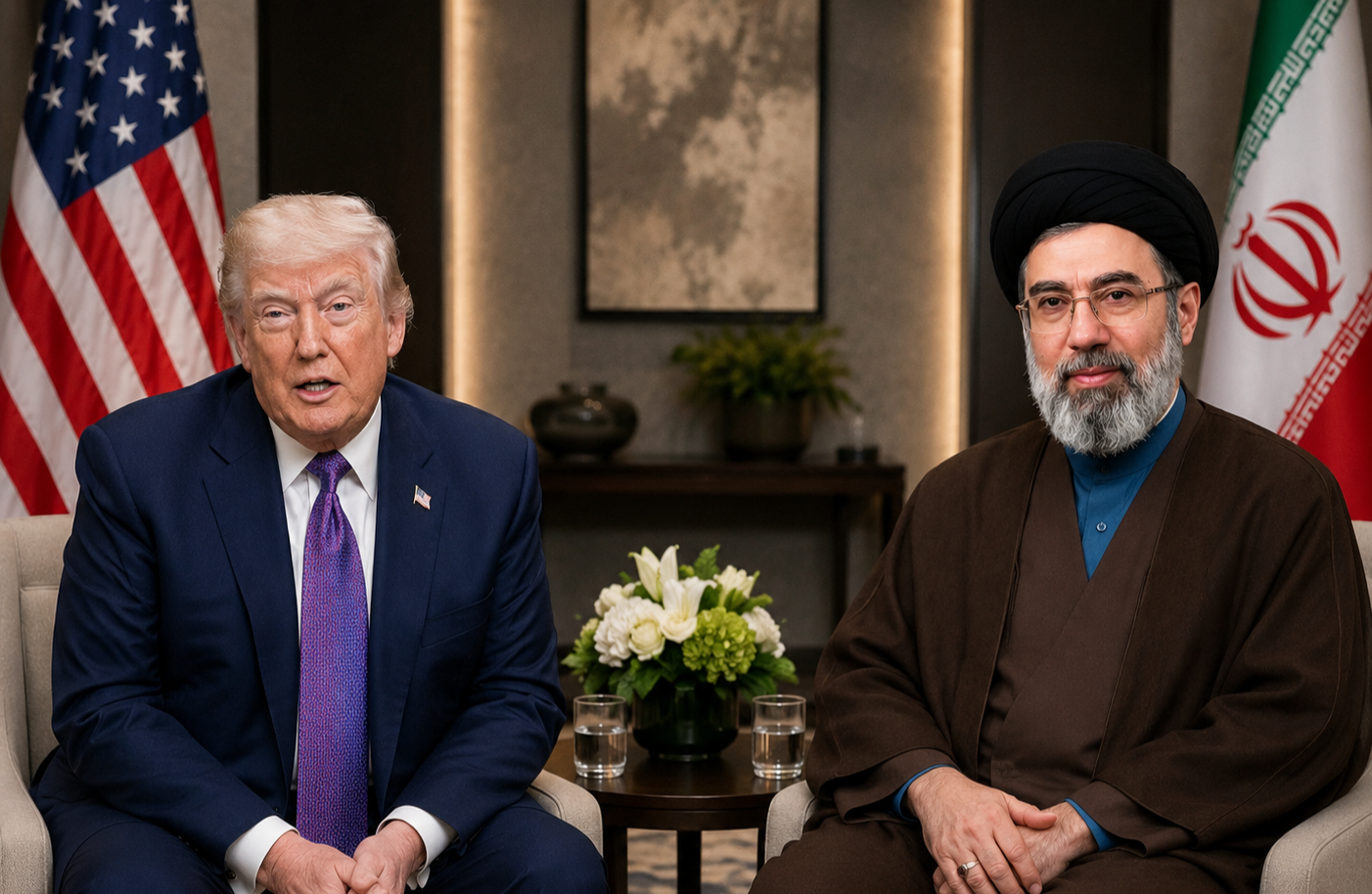
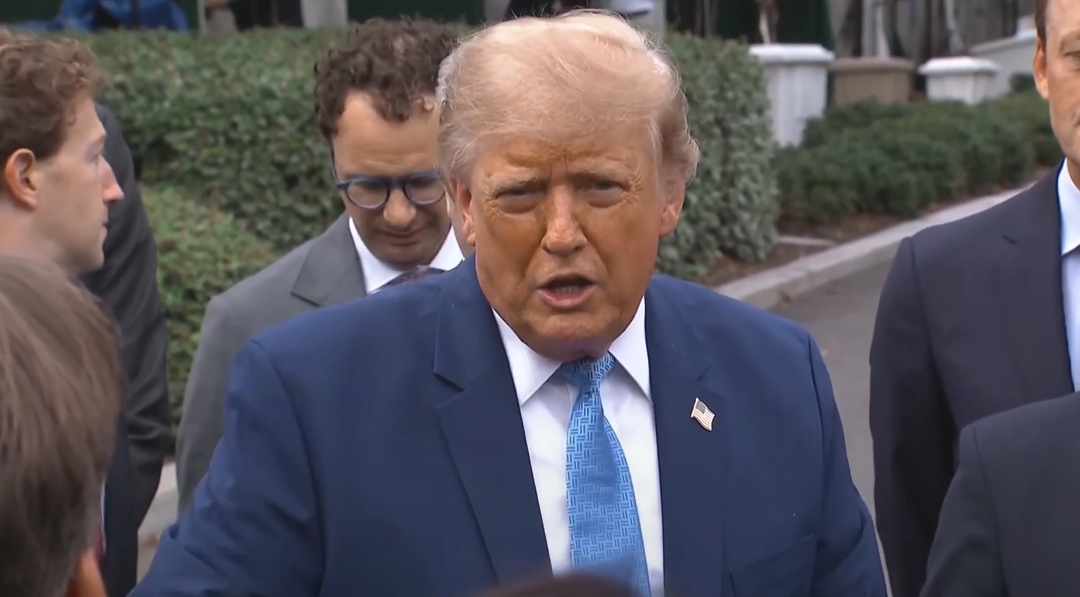
US President Donald Trump strongly criticized the alleged attack on the cargo vessel. He said the incident was a clear violation of the ceasefire and warned that further hostile actions would not be tolerated. Vice President JD Vance also issued a warning, saying that any additional violence from Iran would be met with a strong response.
Iran quickly reacted to the American strikes. The Islamic Revolutionary Guard Corps (IRGC) announced that it had launched retaliatory attacks against sites connected to US forces in the Gulf region. Iranian state media reported that the operation was carried out in response to what Tehran described as illegal US attacks on its territory.
The IRGC warned that if the United States launched further attacks, Iran's future response would be even broader and more powerful. The statement highlighted the growing tension between the two countries and raised concerns that the conflict could continue to escalate.
Iran's Foreign Ministry also defended its actions, saying that the strikes were carried out in response to US attacks that violated international law and the understanding reached between the two nations. Iranian officials argued that they were acting in self-defense and protecting the country's sovereignty.
Shortly after Iran's announcement, Bahrain reported that Iranian drones had entered its territory and carried out attacks. Bahraini authorities condemned the incident, calling it a serious violation of national sovereignty and international law. The Gulf nation stated that it reserved the right to defend itself against any threats to its security.
The exchange of attacks has placed the recently signed ceasefire agreement under serious strain. The agreement, reached on June 17, was intended to reduce tensions between the United States and Iran and create conditions for future negotiations. It also aimed to improve security in the Strait of Hormuz, a critical route through which a large portion of the world's oil supply passes.
However, both sides now accuse each other of violating the terms of the agreement. Washington claims Iran's actions against commercial shipping broke the ceasefire, while Tehran argues that the US military strikes were themselves a violation of the deal.
The situation has become even more complicated because of continuing tensions elsewhere in the region. Recent military activity involving Israel and Lebanon has added pressure to ongoing diplomatic efforts. Although US-brokered talks recently produced a framework agreement between Israel and Lebanon, analysts warn that regional instability could still threaten broader peace efforts.
The Strait of Hormuz remains at the center of the crisis. The narrow waterway connects the Persian Gulf to international shipping lanes and is one of the most important routes for global energy exports. Any disruption to shipping in the area can have major economic consequences around the world.
Iran has previously warned ships not to travel through certain areas of the Gulf without authorization. Despite these warnings, commercial vessels have continued operating in the region. The recent attack on the Singapore-registered cargo ship has renewed concerns about maritime security and the safety of international trade.
Despite the rising tensions, global oil markets have remained relatively calm. Oil prices have fallen in recent days as investors hoped that shipping traffic through the Strait of Hormuz would continue to recover. However, analysts caution that further military clashes could quickly reverse that trend and create uncertainty in global energy markets.
Meanwhile, concerns about Iran's nuclear program remain a major issue in relations between Tehran and Washington. The head of the International Atomic Energy Agency (IAEA), Rafael Grossi, has stressed that any long-term agreement between the two countries must include strict monitoring measures.
Grossi said Iran has repeatedly stated that it does not intend to build nuclear weapons, but he emphasized that international inspectors must be able to verify those claims. Under the current interim agreement, Iran's stockpile of highly enriched uranium is expected to be reduced under IAEA supervision.
As diplomatic efforts continue, the latest exchange of attacks highlights how fragile the current ceasefire remains. With both countries blaming each other for recent violence, fears are growing that the agreement could collapse entirely.
For now, the world is watching closely as the United States and Iran balance military actions with diplomatic negotiations. Whether the ceasefire survives may determine not only the future of relations between the two nations but also the stability of the wider Middle East and the security of one of the world's most important trade routes.
Summary
Tensions between the United States and Iran have risen again after both sides exchanged attacks in the Gulf region. The US launched strikes on Iranian military facilities after blaming Tehran for a drone attack on a commercial ship in the Strait of Hormuz. Iran denied wrongdoing and responded by targeting sites linked to US forces in the Gulf. The latest violence has raised concerns that the recently signed ceasefire agreement between the two countries could collapse, threatening regional stability and global trade.
Content

×
![]()