
Residents in Venezuela are expressing anger and frustration after two powerful earthquakes caused widespread destruction and loss of life. The earthquakes struck last week and left at least 1,700 people dead, while many others remain missing.
One of the worst-hit areas is La Guaira, a coastal region where several buildings collapsed. Families continue to gather near piles of rubble, hoping that their loved ones can still be found alive.
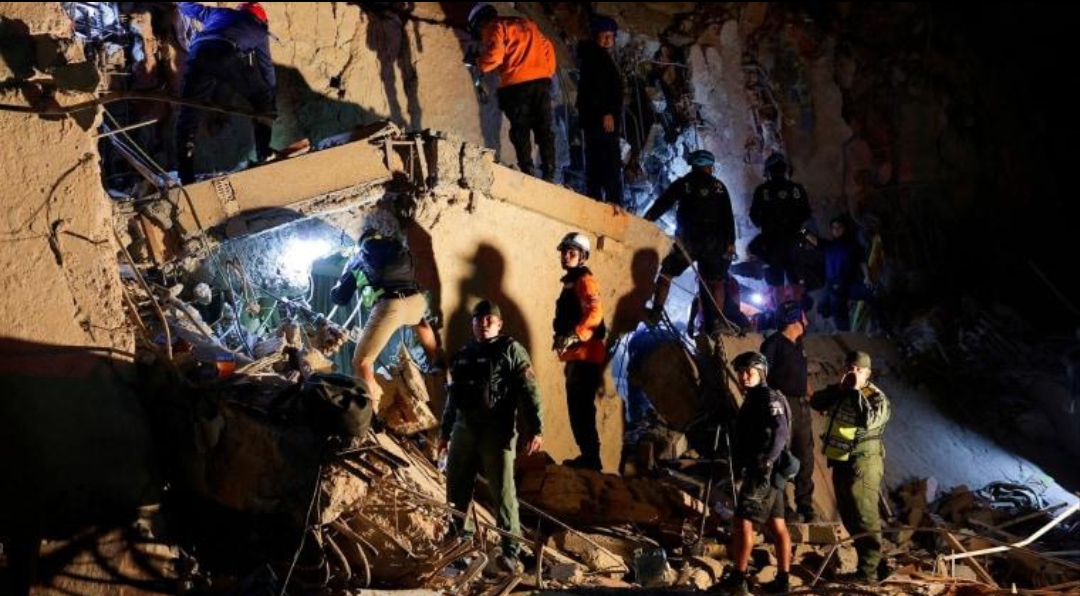
At one collapsed 12-storey apartment building, rescue workers carefully search for signs of life. At times, they ask everyone nearby to remain completely silent. Vehicles stop moving, people stop talking, and machines are switched off. Rescuers then listen closely through holes drilled into the concrete, hoping to hear voices or sounds from people trapped underneath.
For families waiting nearby, these moments are filled with hope and fear.
Miguel Oscar Nunez is one of many people searching for a family member. His 34-year-old son, Angel, was inside the building when it collapsed. Miguel believes there is still a chance his son could be alive.
He says authorities should have acted more quickly. According to him, if survivors die because rescue efforts were delayed, it would be a tragedy that could have been prevented. Like many others, he feels that more equipment and personnel should have been sent to the disaster area sooner.
Another resident, Kevin Montilla, lost contact with his wife and 16-year-old daughter when the earthquake struck. He was at work at the time, but his family was at home inside the building.
Kevin says the first people who responded were not government officials but local residents. Neighbours rushed to help one another, searching through the debris with whatever tools they could find. He believes the official response was too slow and that valuable time was lost during the first critical hours after the disaster.
Although rescue teams from Venezuela and other countries later arrived with heavy equipment such as cranes and excavators, many families say these efforts should have started much earlier.
The emotional toll on survivors is immense. Many people spend their days moving between hospitals, shelters, and collapsed buildings, desperately searching for missing relatives.
One of them is Deilisbeth Herreira, a single mother looking for her two daughters, aged 12 and 13. She was working when the earthquake occurred and has not seen her children since.
She has visited hospitals and searched through lists of the injured and dead, hoping to find information about them. Deilisbeth says she feels abandoned because little help reached the area where her daughters were believed to be.
Holding back tears, she describes her daughters as quiet and hardworking girls. Like many parents in the disaster zone, she is refusing to give up hope even as the days pass.
Across La Guaira, similar stories can be heard everywhere.
At the Bello Horizonte housing complex, two large apartment buildings collapsed into huge piles of concrete and twisted metal. Families and volunteers continue to search through the wreckage.
Many are wearing face masks and gloves because of the dust, debris, and unpleasant smells coming from the ruins. Despite the difficult conditions, they continue digging because they believe some people may still be trapped.
William Rodrigues is searching for his uncle. He says rescue assistance arrived very late in many places and, in some areas, has still not arrived. He believes local communities have carried much of the burden themselves.
Nearby, police officers can be seen monitoring the area, but some residents say they expected more active involvement in rescue operations.
Sixty-year-old Juan Avendo witnessed the disaster firsthand. His own home was damaged, yet he spent days helping search for survivors. He recalls hearing cries for help from beneath collapsed buildings shortly after the earthquake.
Without waiting for professional rescuers, he and other residents began digging through the rubble using their hands. They worked through the debris despite the danger and exhaustion.
Juan and his nephew later managed to rescue a woman who was trapped. During the night, they heard her calling for help but could not safely reach her in the darkness. The following morning, they returned and located her. They first passed her a bottle of water and then carefully worked to pull her free.
Stories like these have become symbols of community strength and determination. Many people say neighbours helped neighbours long before official rescue teams arrived.
According to residents, the first major rescue teams reached some areas nearly two days after the earthquakes. Firefighters and emergency workers from Venezuela, along with teams from other countries, later joined the search efforts.
Several survivors were rescued during those operations. However, hopes of finding many more people alive have faded as time passes.
Authorities have described the earthquakes as one of the worst natural disasters in Venezuela's history. Thousands of buildings have been damaged or destroyed, and many families have lost everything they owned.
Temporary shelters have been set up for people who can no longer return to their homes. Others are staying with relatives or sleeping outdoors because they fear additional building collapses.
The disaster has also raised concerns about emergency preparedness and the speed of the government's response. Many residents believe more lives could have been saved if rescue teams and heavy machinery had been deployed sooner.
At the same time, rescue workers continue their difficult task in dangerous conditions. They face unstable structures, large amounts of debris, and the challenge of locating survivors in vast areas of destruction.
For families waiting beside collapsed buildings, every hour matters. Many continue to hold onto hope that loved ones may still be found alive.
As Venezuela recovers from the devastating earthquakes, questions about the response to the disaster are likely to remain. While communities have shown remarkable courage and solidarity, many residents say they want answers about why help did not arrive faster.
For now, the search continues. Families, volunteers, and rescue teams remain focused on one goal: finding survivors and bringing closure to those still waiting for news of their loved ones.
World News
Venezuelans Angry Over Slow Earthquake Response as Families Search for Missing Loved Ones
Summary
Many people in Venezuela are criticizing the government's response after powerful earthquakes struck the country, killing at least 1,700 people. Families say rescue operations started too late and that many survivors may have been left trapped under collapsed buildings without help. Across the hardest-hit areas, residents and volunteers have been using their own hands and simple tools to search for loved ones, while waiting for more support from rescue teams.
Content


×
![]()