
A retired American diplomat has said that Iran is trying to send a strong political message to Gulf countries and encourage them to move closer to Tehran's vision for the region's future.
Speaking about recent tensions involving Iran, former US diplomat Joey Hood said he would have advised against military action against Iran if he had been involved in the decision-making process. However, he added that if such action had already taken place, he would not have supported signing a memorandum of understanding (MoU) with the language that was ultimately used.
According to Hood, the agreement was written using traditional diplomatic language that was intentionally broad and somewhat unclear. He explained that diplomats often use such wording so that both sides can interpret the agreement in a way that helps them avoid further conflict while saving face politically.
Hood argued that Iran did not view the agreement in that way. Instead, he believes Iranian leaders interpreted the MoU as recognition of their authority and influence in the region.
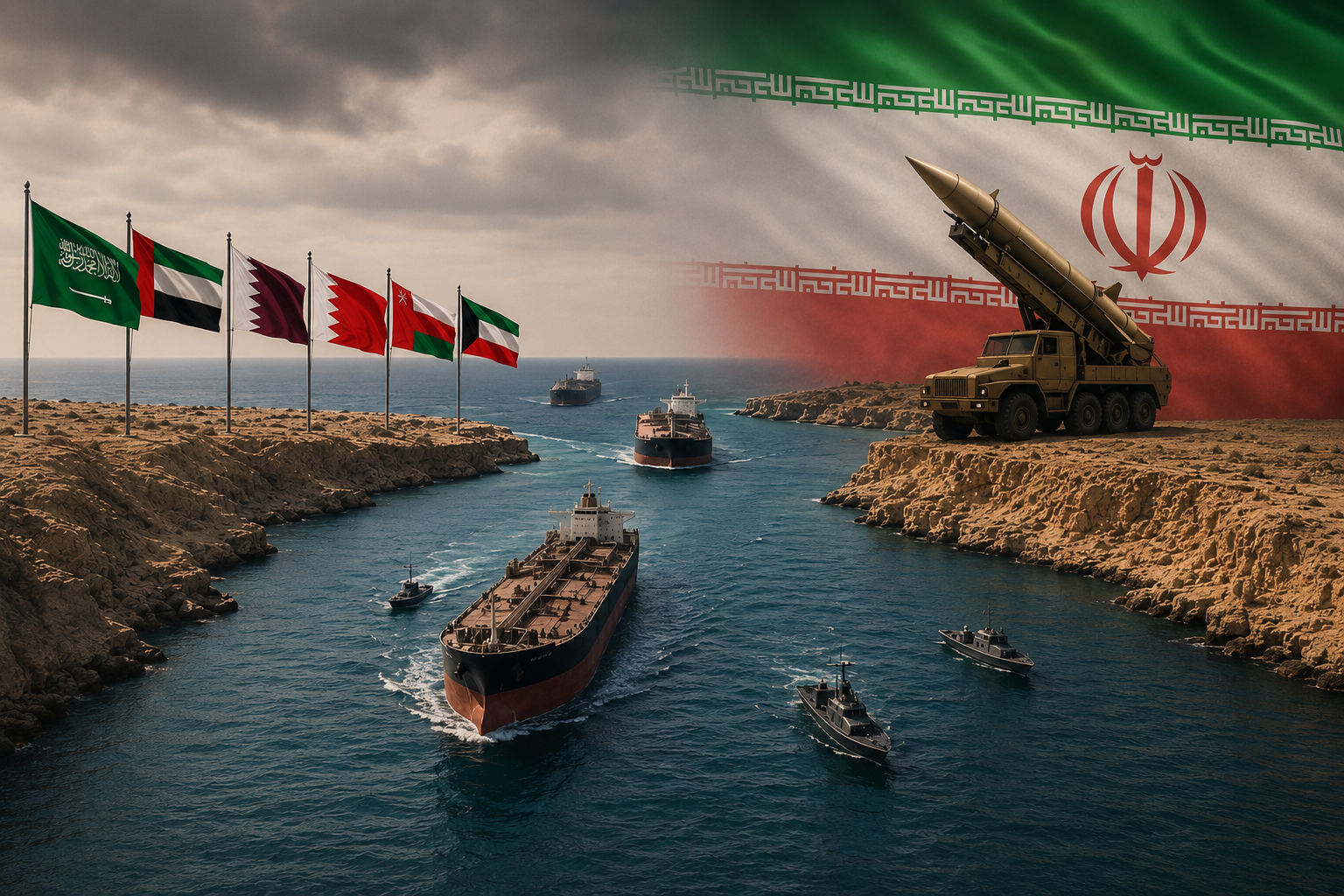
He said Iran treated the agreement as a declaration of sovereignty over the Strait of Hormuz, one of the world's most important shipping routes. The strait is a narrow waterway through which a large portion of the world's oil and gas supplies are transported. Any disruption in the area can have major effects on global energy markets and international trade.
According to Hood, Iran also saw the agreement as giving it greater influence over Gulf economies and regional political issues. He claimed Tehran viewed it as a sign that it should have a stronger voice in matters affecting neighboring countries, including developments in Lebanon.
The former diplomat stressed that Iran's strategy was not limited to its disputes with the United States and Israel. Instead, he said Tehran was trying to expand the impact of the conflict across the wider Middle East.
"Iran wanted to globalize the conflict," Hood said, arguing that the country was attempting to involve other regional players and make them feel the effects of ongoing tensions.
One of the examples he pointed to involved attacks on ships operating in or near Omani territorial waters. Hood claimed that these incidents were not random and were designed to send a message to countries involved in mediation efforts.
He noted that one targeted vessel was carrying crude oil from Qatar. By targeting such a ship, he suggested, Iran was signaling that Gulf states could not remain unaffected by regional disputes.
Hood believes these actions were intended to increase pressure on Qatar and Oman, two countries that have often played important diplomatic roles in the Middle East. Both nations have frequently acted as mediators between Iran and Western countries, helping facilitate dialogue during periods of heightened tension.
According to the former diplomat, Iran wanted these countries to understand that regional security and economic stability are directly linked to Tehran's interests and concerns.
He argued that Iran's message to Gulf states was clear: they should align more closely with Iran's vision for the future of the region rather than relying heavily on the United States for security and political support.
For decades, many Gulf countries have maintained strong partnerships with Washington, particularly in defense and security matters. The United States has military bases and strategic relationships across the Gulf, making it a major player in regional affairs.
However, Hood suggested that Iran is trying to challenge that influence by demonstrating its ability to affect shipping routes, energy supplies, and regional stability.
By doing so, Tehran may be hoping to convince neighboring countries that cooperation with Iran is necessary to avoid further tensions and economic disruptions.
The comments come at a time when the Middle East continues to face uncertainty due to ongoing conflicts, political rivalries, and concerns about maritime security. The Strait of Hormuz remains especially important because any threat to shipping in the area can quickly attract international attention.
Analysts have long warned that tensions involving Iran, the United States, Israel, and Gulf countries could have consequences far beyond the region. Energy markets, global trade routes, and diplomatic relations can all be affected by developments in the Gulf.
While Hood's comments reflect his personal assessment of Iran's intentions, they highlight the ongoing debate over Tehran's regional strategy and its relationship with neighboring states.
Supporters of engagement with Iran argue that diplomacy and dialogue are the best ways to reduce tensions and prevent conflict. Critics, meanwhile, believe Iran is using its regional influence to pressure other countries and expand its political reach.
As regional powers continue to navigate these challenges, Gulf countries may find themselves balancing relations with both Iran and the United States while seeking to protect their own economic and security interests.
The situation remains complex, and future developments will likely depend on diplomatic efforts, regional cooperation, and the actions of all parties involved. For now, Hood believes Iran is trying to make one point clear: Gulf nations should take Tehran's interests and vision for the region seriously as they plan for the future.
Summary
A former US diplomat says Iran is trying to increase its influence across the Gulf region and pressure neighboring countries to support its vision for the future. According to retired diplomat Joey Hood, Iran viewed the recent memorandum of understanding (MoU) as a sign of its authority in the region rather than a compromise. He also claimed Iran's actions at sea were aimed at sending a message to Gulf states, including Qatar and Oman, which have acted as mediators in regional disputes.
Content
×
![]()