
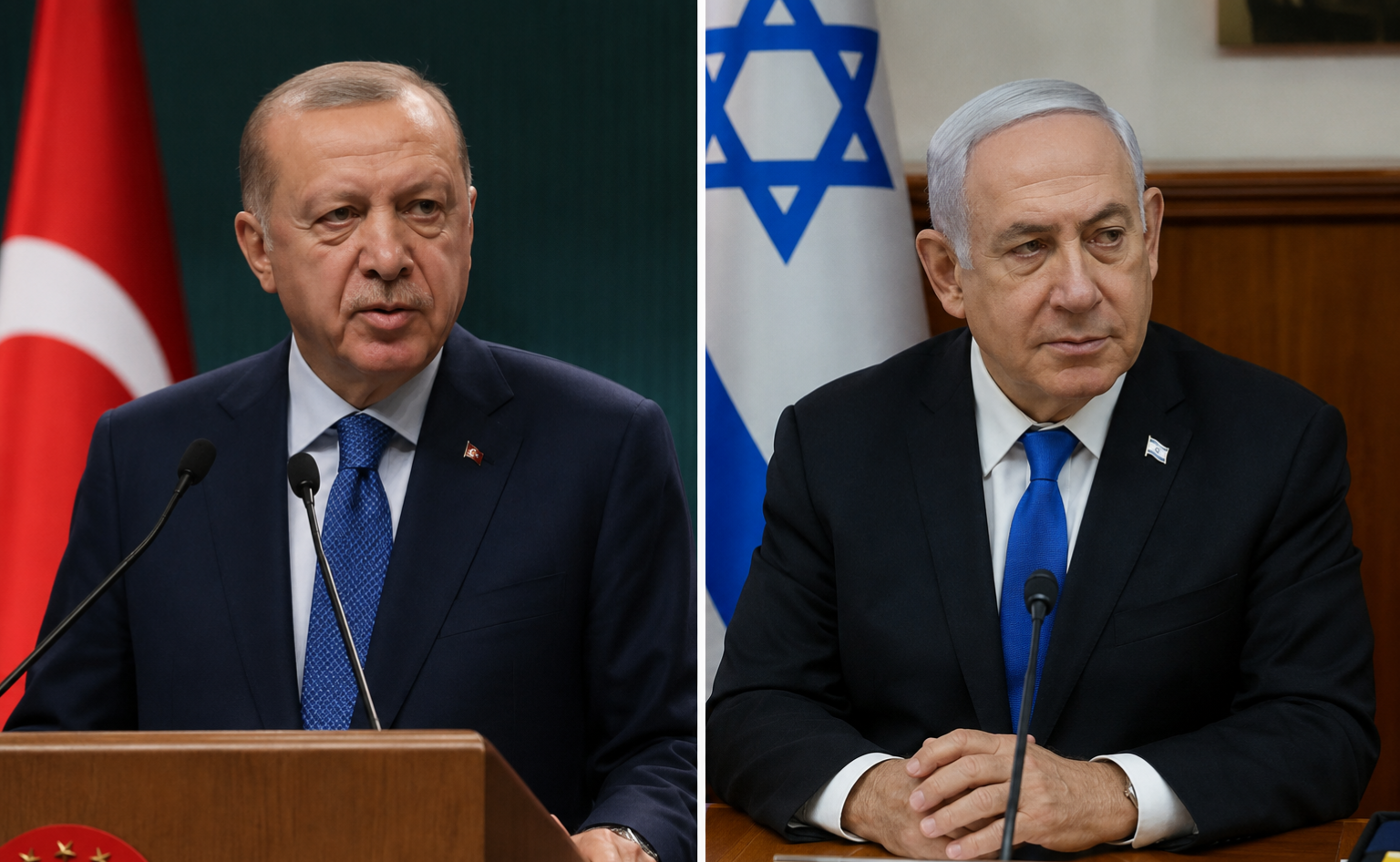
Turkish President Recep Tayyip Erdogan has called on the international community to protect the new peace agreement between the United States and Iran. Speaking in Istanbul during a meeting with Pakistan's Prime Minister Shehbaz Sharif, Erdogan said that peace in the Middle East can only succeed if countries in the region work together.
Erdogan stressed that no peace plan can last without the support of regional nations. He said the countries of the Middle East understand the area's problems better than anyone else and should play a major role in keeping peace and stability.
The Turkish leader also warned that Israel should not be allowed to damage the agreement between the US and Iran. According to Erdogan, any attempt to weaken or destroy the deal could increase tensions and lead to another round of fighting. He said the region has already suffered enough from wars and violence and should not face another conflict.
Erdogan criticized the Israeli government, saying its policies have increased instability in the Middle East. He repeated his earlier criticism of Israel's military actions in Gaza, Lebanon, and Syria. He said these conflicts have caused heavy destruction, loss of life, and humanitarian suffering.
The agreement between the United States and Iran was reached after indirect talks held in Qatar. Officials from both countries met through mediators to discuss ways to reduce tensions and prevent another major conflict. The talks came after recent military exchanges between the two sides raised fears of a wider regional war.
Qatar and Pakistan played an important role in helping both countries reach the memorandum of understanding (MoU). The agreement includes several important points aimed at reducing tensions and creating a path toward long-term peace.
One of the main parts of the agreement is a 60-day ceasefire, during which both sides are expected to avoid military attacks. The deal also includes reopening the Strait of Hormuz, one of the world's most important shipping routes for oil and gas. Keeping the waterway open is seen as important for global trade and energy supplies.
Another key part of the agreement focuses on Iran's nuclear programme. The two sides have agreed to continue discussions on the issue and work toward a final agreement that could permanently end the conflict and improve relations.
Iranian Deputy Foreign Minister Kazem Gharibabadi said Iran will create a communication channel with the United States. This system will allow both sides to report and discuss any possible violations of the agreement, helping prevent misunderstandings and reducing the risk of renewed fighting.
Despite the signing of the agreement, tensions remain high. Reports say both the United States and Iran carried out limited retaliatory attacks last week while disagreeing over how some parts of the agreement should be understood and implemented. These incidents have raised concerns that the ceasefire could still face serious challenges.
Erdogan said countries in the region should continue supporting diplomatic efforts instead of military action. He believes dialogue and cooperation offer the best chance for lasting peace. He also urged all parties to avoid actions that could restart violence or weaken the agreement.
Pakistan has also welcomed efforts to reduce tensions between the United States and Iran. During the meeting, Prime Minister Shehbaz Sharif and President Erdogan discussed regional security and the importance of peaceful solutions to ongoing conflicts in the Middle East.
Many international observers are watching closely to see whether both Washington and Tehran fully follow the agreement. If successful, the deal could reduce tensions, improve regional stability, and lower the risk of another major war. However, experts say the coming weeks will be critical, as any violation or misunderstanding could threaten the progress made so far.
For now, leaders such as Erdogan are urging all sides to protect the agreement, continue diplomatic talks, and avoid steps that could push the Middle East back into conflict. The future of the US-Iran peace process will depend on whether both countries remain committed to dialogue and whether regional and international partners continue supporting efforts to maintain peace.
Summary
Turkish President Recep Tayyip Erdogan has said Israel should not take actions that could destroy the new peace agreement between the United States and Iran. Speaking with Pakistan's Prime Minister Shehbaz Sharif, Erdogan said lasting peace in the Middle East needs support from countries in the region. He also warned against any actions that could bring more war and violence.
Content
×
![]()