
The conflict between the United States and Iran became more serious after both countries exchanged new attacks for a second straight night. The US military said it carried out strikes on around 90 targets inside Iran. According to American officials, the attacks were in response to recent incidents involving commercial ships traveling through the Strait of Hormuz, one of the world's most important shipping routes.
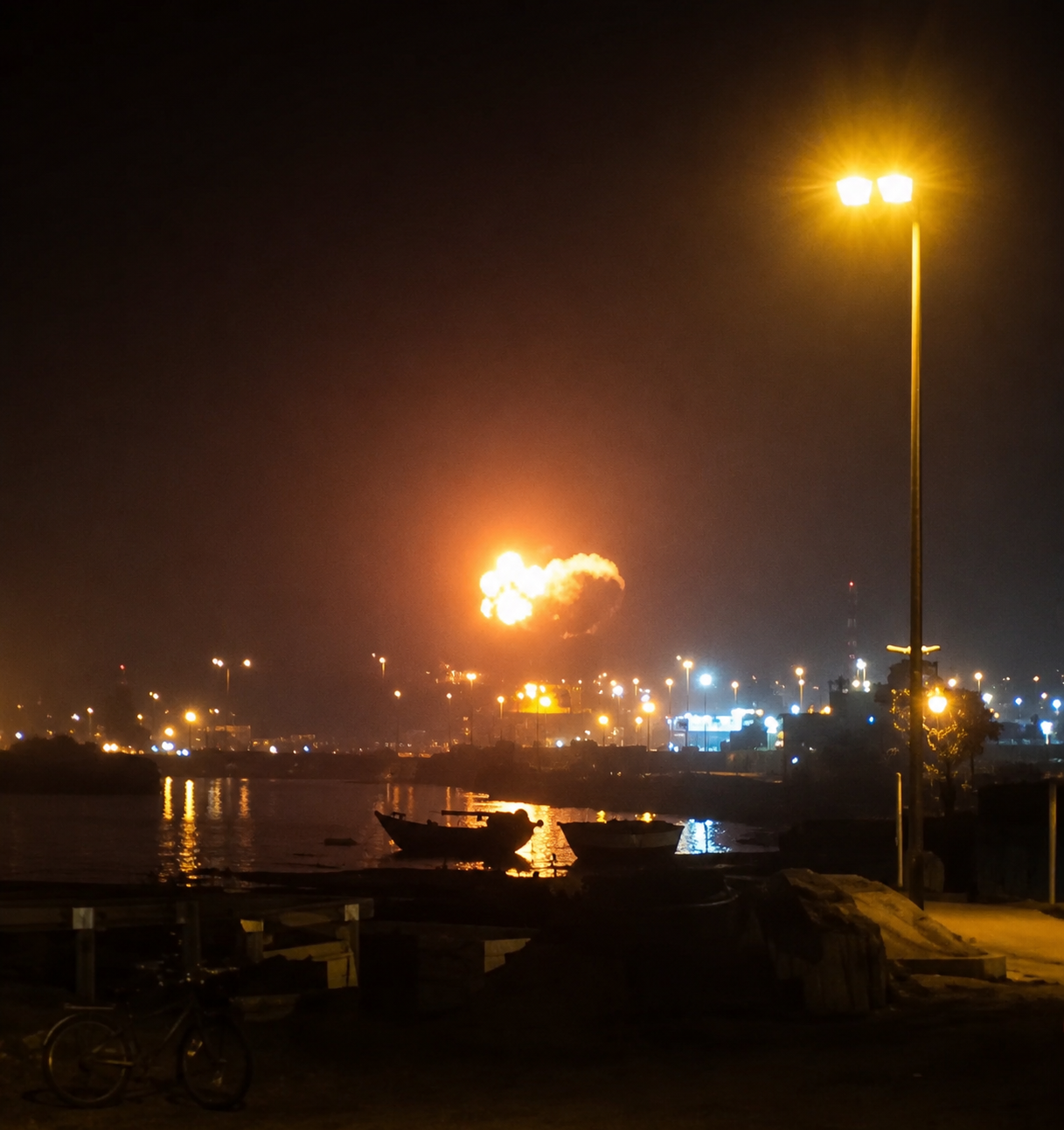
Iran reported explosions in several southern areas, including along its coastline and on islands under its control in the Persian Gulf. Iranian authorities also said that at least 14 people have been killed during the past two nights of US strikes, while dozens more were injured.
In response to the American attacks, Iran said it launched drones toward US military facilities in Kuwait, Bahrain, and Qatar. Iranian military officials claimed they targeted fuel storage sites, air defense systems, and communication equipment used by US forces in the Gulf region.
Several Gulf countries reported security alerts during the attacks. Bahrain said its air defense systems intercepted and destroyed several incoming projectiles before they reached their targets. Kuwait also confirmed that emergency teams remained on alert after airspace security incidents. The exchange of attacks has raised concerns that the conflict could spread further across the Middle East.
The Strait of Hormuz has become the center of the latest tensions. Around one-fifth of the world's oil supply normally passes through this narrow waterway every day. Shipping companies are now facing confusion because Iran and international partners have issued different instructions for vessels crossing the strait.
Iran says ships must follow routes closer to its northern coastline and receive permission before passing through. However, the United States and its partners recommend that ships stay on southern routes near Oman to reduce security risks. Because of these competing instructions and the ongoing military action, many shipping companies have delayed or changed their routes.
Maritime data shows that only 23 cargo ships and oil tankers crossed the Strait of Hormuz on July 8, compared with 36 the previous day. Before the conflict intensified, around 130 ships would normally pass through the strait each day. This sharp decline highlights growing concerns over safety and trade in the region.
The renewed fighting is creating serious problems for the shipping industry. Many civilian sailors remain on ships waiting for safe conditions before continuing their journeys. Industry officials say constant military activity has created uncertainty for shipping companies and increased risks for crews working in the region. The disruption has also affected global trade because the Strait of Hormuz is one of the world's busiest energy transport routes.
Despite the renewed fighting, global oil prices have remained relatively steady. Brent crude oil briefly rose after the first wave of US strikes but later settled near 78 dollars per barrel. Market experts believe investors expect both sides to avoid a full-scale war, although uncertainty remains high. Financial markets continue to watch the situation closely because any major disruption to oil shipments through the Strait of Hormuz could quickly increase energy prices around the world.
Iran's Foreign Ministry accused the United States of violating the memorandum of understanding signed in June, which had temporarily reduced tensions between the two countries. Iran says the agreement required both sides to stop military operations and ensure safe passage for commercial vessels. The United States, however, argues that Iran broke the agreement first by attacking commercial ships in the Strait of Hormuz. Iran has not officially accepted responsibility for those attacks, and both countries continue to blame each other for escalating the conflict.
The latest military action comes as Iran holds the final ceremonies for former Supreme Leader Ali Khamenei. Thousands of mourners gathered in Mashhad, Khamenei's hometown, for the last day of funeral events. Large crowds filled the streets carrying Iranian flags, while security remained extremely tight because of the ongoing conflict. Iranian officials also reported that railway services between Tehran and Mashhad were disrupted after strikes damaged bridges along the route.
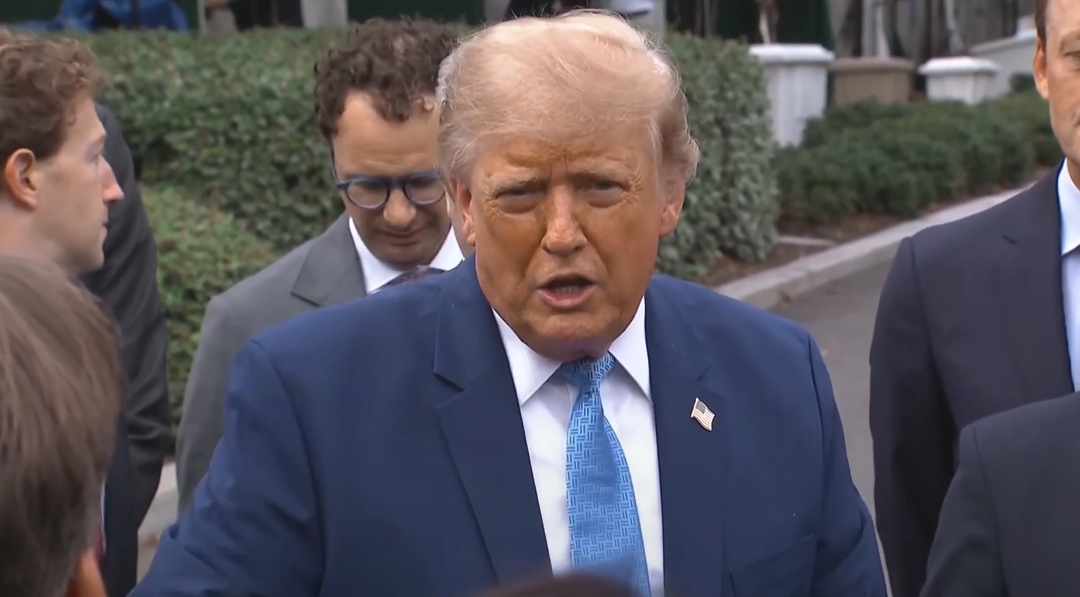
US President Donald Trump defended the latest military operations, saying American forces had struck Iran very hard. At the same time, he suggested that Iran still wants to negotiate with the United States but questioned whether its leaders could be trusted to honor any future agreement. His latest comments came less than a day after saying negotiations with Iran were a waste of time, showing that diplomatic efforts remain uncertain.
Military analysts believe neither the United States nor Iran appears ready for a full-scale war, but both sides continue to respond forcefully after every attack. The latest exchange of strikes has increased concerns about regional stability, commercial shipping, and global energy supplies. With attacks continuing around the Strait of Hormuz and diplomatic disagreements still unresolved, the situation remains highly tense. Governments, shipping companies, and financial markets around the world are closely monitoring developments as both sides weigh their next moves.
Summary
The United States carried out a second night of airstrikes on Iran, saying it targeted military sites after attacks on commercial ships in the Strait of Hormuz. Iran responded by launching drones and missiles toward US military facilities in Kuwait, Bahrain, and Qatar, increasing fears of a wider conflict in the Middle East.
Content


×
![]()