
The United States has carried out another major round of airstrikes across Iran, increasing tensions in the Middle East and raising fears that the conflict could turn into a larger regional war. According to reports, US forces attacked military sites in several Iranian provinces, especially in the south near the Strait of Hormuz, an important global shipping route.
US Central Command said it struck hundreds of military targets during three waves of attacks. These included missile launch sites, drone facilities, naval equipment, communication systems, logistics centers, and coastal surveillance positions. The US says its goal is to weaken Iran's military capabilities. Iran, however, says some civilian areas were also affected during the strikes.
The attacks were reported in at least 10 Iranian provinces. Heavy strikes were recorded in Hormozgan province, including Bandar Abbas, Qeshm Island, Siri Island, and Jask. These areas are close to the Strait of Hormuz, where a large amount of the world's oil passes every day. Damage was also reported to port facilities, coastal infrastructure, and air defense systems.
Iranian officials said some fishermen and military personnel were killed or injured during the attacks. In Bushehr province, one strike reportedly landed near Iran's only nuclear power plant, although officials said the facility itself was not damaged. Other provinces, including Khuzestan, Lorestan, Kohgiluyeh and Boyer-Ahmad, Sistan and Baluchestan, and Golestan, also reported missile or air attacks.
In southeastern Iran, attacks hit the cities of Chabahar, Konarak, and Iranshahr. Local authorities said a firefighter was killed after airport facilities were damaged. Videos shared online appeared to show serious destruction to important infrastructure, including a maritime control tower in Chabahar.
One of the strikes also targeted a railway bridge in northern Iran. Although authorities said the bridge was repaired quickly, the attack showed that transportation routes inside Iran could also become targets. The railway is an important trade link connecting Iran with Turkmenistan, Kazakhstan, Russia, China, and other countries.
Iran also reported damage to its electricity network. Officials said the attacks reduced the country's power generation capacity by around 4,200 megawatts, making electricity shortages worse during the hot summer season when temperatures have reached around 40°C.
Despite the growing conflict, daily life in Tehran has continued mostly as normal because the capital has not been directly attacked in recent days. However, many people are worried about what may happen next. Residents told reporters they fear the fighting could become even more dangerous if both sides continue to exchange attacks.
Iran responded by launching attacks against what it described as US interests in several countries, including Bahrain, Kuwait, Qatar, Jordan, and Oman. Iranian officials also announced that the Strait of Hormuz should be considered closed because of ongoing US military actions. This has raised concerns about global oil supplies and international shipping.
The renewed fighting has also reduced hopes for diplomacy. Last month, both countries had reached a temporary understanding that appeared to lower tensions, but recent military operations have pushed the situation back toward open conflict. Many observers now fear that negotiations may become much more difficult.
The situation has also affected neighboring countries. Israel has continued military operations in southern Lebanon and has warned that it is prepared to take further action if security threats continue. Israeli officials have also made strong statements against Iran's leadership, adding more pressure to an already tense regional situation.
International experts warn that continued military action could have serious consequences for the entire Middle East. A wider conflict could disrupt global energy markets, increase humanitarian problems, and create more instability across the region.
For now, both the United States and Iran continue to exchange military actions while the international community watches closely. Many countries are calling for restraint and renewed diplomatic efforts to prevent the conflict from expanding further and to reduce the risk of a larger regional war.
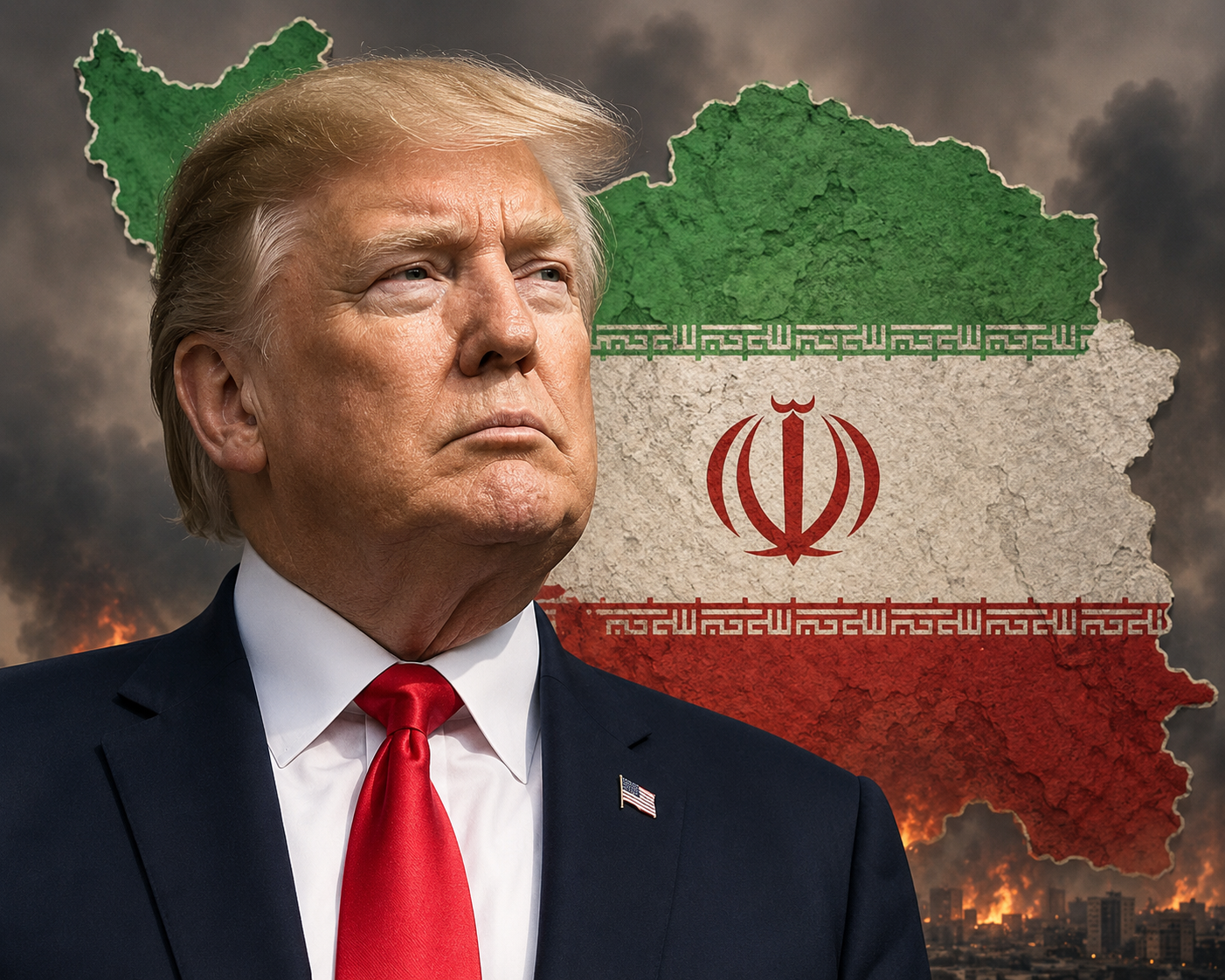
Summary
The United States has launched a new wave of airstrikes on military targets across Iran, making it one of the biggest military operations since fighting resumed. Iran says the attacks have hit several provinces, including areas near the Strait of Hormuz. In response, Iran has targeted US interests in the region and warned that the conflict could grow. The latest fighting has increased fears of a wider war in the Middle East.
Content


×
![]()