
The conflict between Iran and the United States has become more serious after both countries took new military actions. The US launched another wave of air, drone, and naval strikes on military targets in Iran, while Iran warned that it could block more important trade routes in the region.
Iran's Revolutionary Guards said the Strait of Hormuz will remain closed until the United States stops what Iran calls its "acts of aggression." They also warned that other oil and gas export routes in the Middle East could be blocked if the fighting continues.
The Strait of Hormuz is one of the world's most important shipping routes. A large amount of the world's oil and natural gas passes through this narrow waterway every day. If the strait is closed or shipping is disrupted, energy supplies can be affected around the world. This usually leads to higher oil prices and increased transportation costs.
Because of the latest fighting, many oil tankers have slowed down or stopped using the route. This has already pushed global oil prices higher, as traders worry about possible shortages if the conflict becomes worse.
The US military's Central Command (Centcom) said it carried out several attacks on Wednesday. According to the US, the operation included drones, fighter aircraft, and naval forces targeting Iran's military positions.
Centcom said the strikes were aimed at Iran's coastal defense systems, cruise missile launch sites, and missile storage facilities on Greater Tunb Island. The US said these attacks were intended to reduce Iran's ability to attack commercial ships traveling through the Strait of Hormuz.
The latest operation followed another military mission that lasted around seven hours overnight. US officials said they will continue taking action if they believe shipping lanes or American forces are under threat.
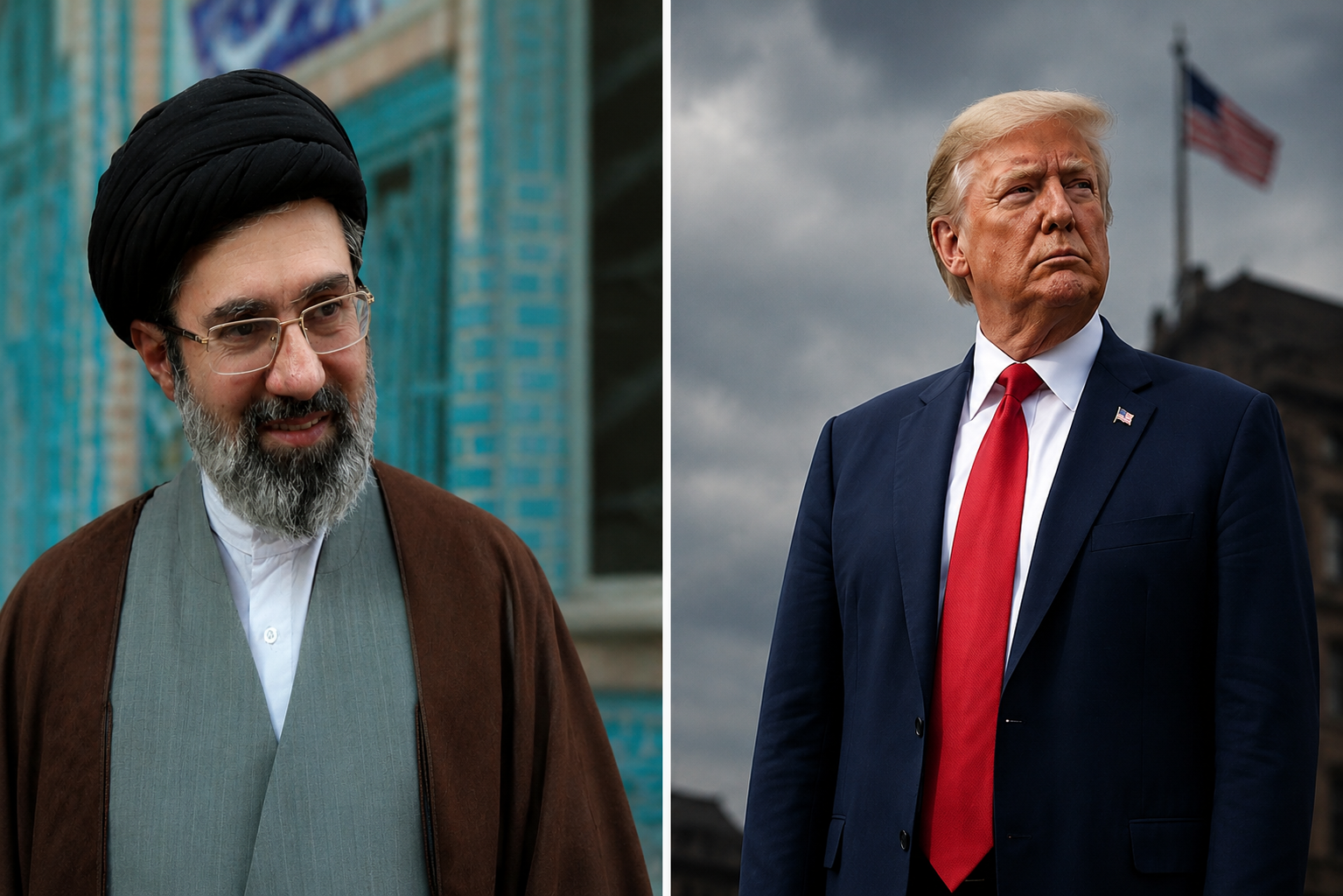
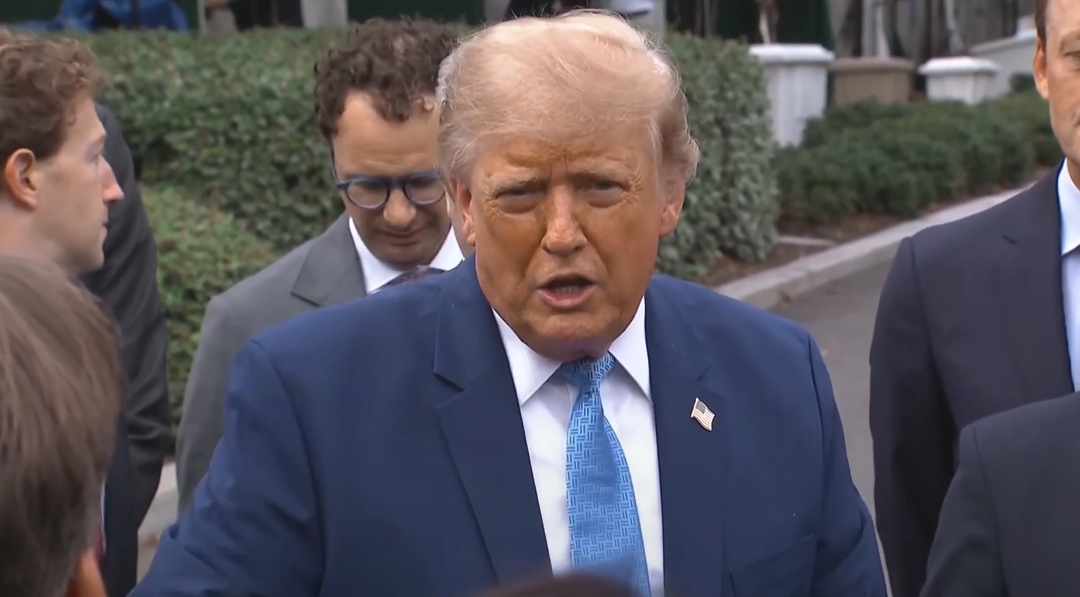
US President Donald Trump also increased pressure on Iran through strong public statements. During a television interview, he warned that the United States could attack Iran's bridges and power plants if Iran refused to return to negotiations.
Trump said energy-related targets could also be attacked later if the situation continues to worsen. His comments have received international attention because attacks on civilian infrastructure could have serious humanitarian consequences.
Earlier this year, when Trump made similar threats, UN Human Rights Chief Volker Türk said that deliberately attacking civilians or civilian infrastructure would violate international law and could be considered a war crime.
Meanwhile, the United States has also restored a blockade on Iranian ports. The renewed blockade prevents many ships from traveling to and from Iranian ports and coastal areas.
The blockade had previously been lifted after both countries reached a temporary agreement last month that was designed to reduce tensions. However, disagreements over the Strait of Hormuz and other security issues caused that understanding to break down.
In response to the new blockade, Iran warned that it could close additional oil and gas export routes that are important to the United States and its allies. Iranian officials did not say exactly which routes could be targeted, but the warning has increased concerns across the region.
Iran's state-run television also reported that Iranian forces launched attacks against US military targets in Jordan, Kuwait, and Bahrain. According to reports, US allies activated their air defense systems and intercepted several missiles and drones before they reached their targets.
The growing military exchanges have increased fears that the conflict could spread beyond Iran and the United States. Many neighboring countries host US military bases and could become involved if attacks continue.
Experts say a wider regional conflict would affect global trade, shipping, and energy markets. Countries that depend on oil from the Middle East are closely watching the situation because any long-term disruption could increase fuel prices and slow economic growth.
Many governments are calling for both sides to return to diplomacy instead of continuing military action. International leaders have warned that further escalation could put civilians at greater risk and create more instability across the Middle East.
At the moment, there is no clear sign that either side is ready to reduce tensions. The United States says it will continue military operations to protect shipping routes and its forces, while Iran says it will keep responding as long as it believes it is under attack.
As the situation continues to develop, the world remains focused on the Strait of Hormuz and other key trade routes. Any further disruption could have major effects on global oil supplies, international trade, and regional security in the coming days and weeks.
Summary
Tensions between Iran and the United States have increased again after the US carried out new military strikes on Iranian targets. Iran responded by warning that it could keep the Strait of Hormuz closed and may block other important trade routes used for oil and gas exports. The conflict has raised fears about global energy supplies, higher oil prices, and greater instability in the Middle East.
Content

×
![]()