
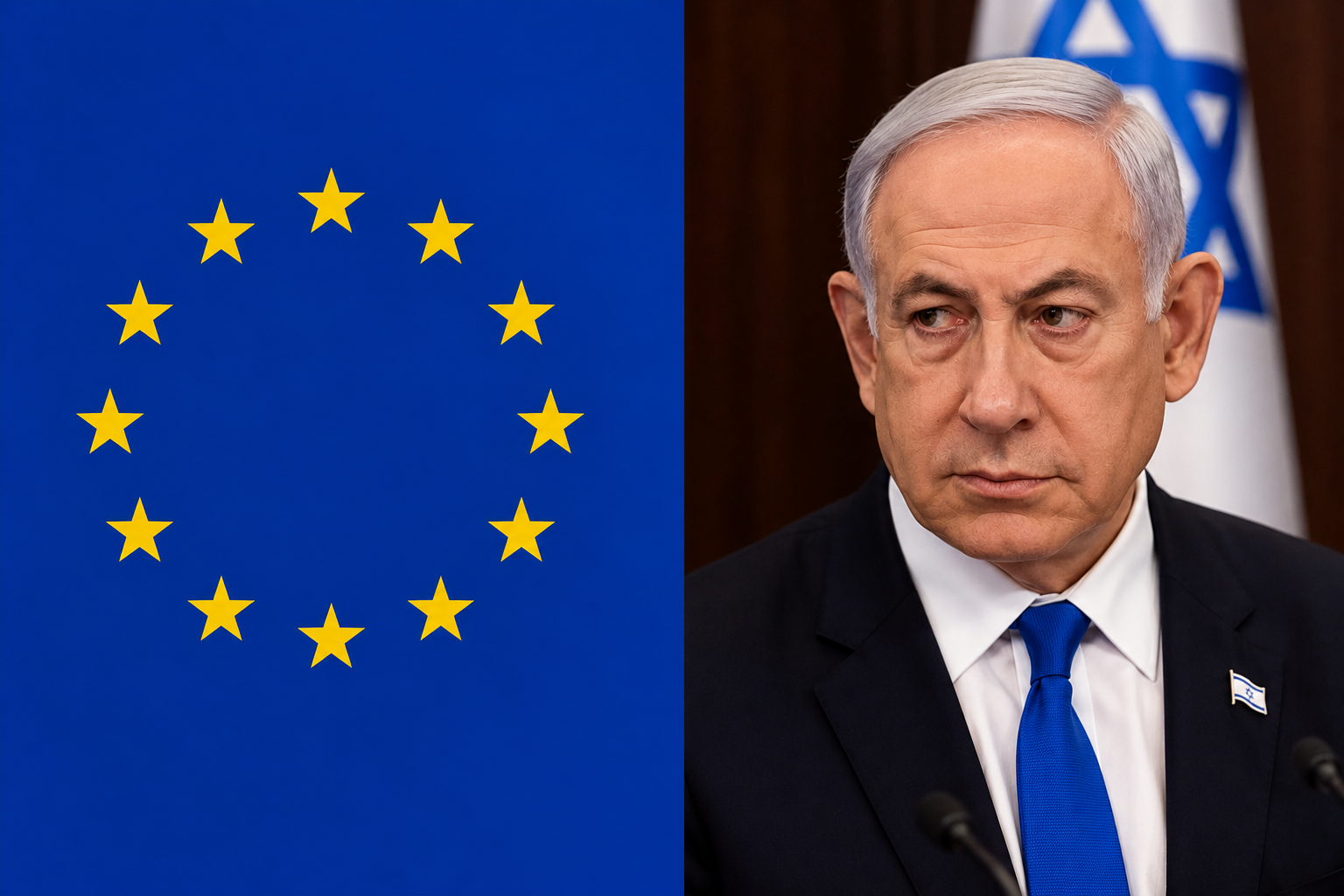
The European Union (EU) has once again called on Israel to stop expanding settlements in the occupied West Bank. EU officials said the continued construction of settlements and other actions against Palestinians are making it much harder to achieve peace between Israelis and Palestinians.
An EU spokesperson said Israel should stop approving new settlement outposts, taking more Palestinian land, demolishing homes, and forcing Palestinian families to leave their communities. According to the EU, these actions weaken the chances of creating two separate states, one for Israel and one for Palestine, which is known as the two-state solution.
The statement came after Israel's security cabinet approved a large funding package worth 1.3 billion shekels (about $428 million) to build 34 new settlements in the occupied West Bank. This is one of the biggest recent investments in settlement expansion and has received criticism from many countries and international organizations.
Most of the international community, including the United Nations (UN) and the International Court of Justice (ICJ), considers Israeli settlements in the territories occupied since 1967 to be illegal under international law. Israel does not agree with this view and says it has different legal and historical claims over the land.
The European Union also does not recognize Israeli sovereignty over the territories occupied in 1967. However, the 27 member countries of the EU are divided over how strongly they should respond. Some countries want stricter actions, such as limiting trade with settlements, while others prefer diplomatic discussions instead.
Earlier this week, EU foreign ministers discussed possible measures against Israel's settlement policy. However, they could not reach a common agreement because member states had different opinions on how to respond.
The issue of settlements has become even more serious because violence in the occupied West Bank has continued to increase. Palestinian officials and human rights groups have reported several recent incidents involving attacks by Israeli settlers and military forces.
On Friday, according to the Palestinian news agency Wafa, two Palestinian children were injured after Israeli settlers reportedly threw stones at their family's vehicle in the Wadi al-Sha'er area. The children suffered injuries to their heads and faces and were taken to a hospital for treatment.
In another incident on the same day, a 16-year-old Palestinian boy was shot by Israeli forces in the occupied West Bank. He was hospitalized, and his condition was reported to require medical care. These incidents have increased international concern about the safety of civilians, especially children.
EU foreign policy chief Kaja Kallas described the situation in the West Bank as "intolerable." Before a meeting of EU foreign ministers in Brussels, she said that the current situation is making it more and more difficult for the two-state solution to become a reality.
Kallas explained that continuing settlement expansion and ongoing violence are reducing the chances of future peace negotiations between Israelis and Palestinians. She stressed that lasting peace can only be achieved if both sides have the opportunity to negotiate fairly.
The occupied West Bank has remained one of the most disputed areas in the Israeli-Palestinian conflict for decades. Since the 1967 Middle East war, Israel has controlled the territory, while Palestinians want it to become part of an independent Palestinian state. Over the years, Israeli settlements have expanded, leading to growing tensions between the two sides.
Many Palestinians say settlements reduce the land available for their future state and make daily life more difficult. Israeli officials, however, argue that the settlements are important for security and reflect historical connections to the land.
The European Union has repeatedly supported a peaceful solution based on two independent states living side by side in peace and security. EU leaders believe that settlement expansion and violence make this goal much harder to achieve.
Human rights organizations have also raised concerns about increasing violence in the West Bank. They have called for better protection for civilians and greater efforts to prevent attacks against both Palestinians and Israelis.
Despite international criticism, Israel has not announced any plans to stop settlement construction. The Israeli government continues to defend its policies while many countries urge renewed peace talks and efforts to reduce tensions.
The situation remains highly sensitive, and the future of peace negotiations is uncertain. International leaders continue to encourage both sides to avoid actions that could increase conflict and instead focus on dialogue and diplomacy.
For now, the European Union is maintaining pressure on Israel through diplomatic statements while discussions continue among member states about possible future measures. Whether stronger actions will be taken remains unclear, but the EU says protecting the possibility of a peaceful two-state solution remains one of its main priorities.
As tensions continue in the occupied West Bank, many people hope that international efforts, along with renewed negotiations, can help reduce violence and create conditions for a lasting and peaceful resolution to the long-running conflict.
Summary
The European Union has asked Israel to stop expanding settlements in the occupied West Bank, saying these actions make peace harder to achieve. The EU also expressed concern over violence against Palestinians, including attacks on children by Israeli settlers. Despite growing international pressure, Israel continues to approve new settlement projects.
Content
×
![]()