
As Russia's full-scale war against Ukraine continues into its fifth year, Ukraine is facing a serious challenge: finding enough soldiers to defend the country. Many people are afraid of being sent to the front lines, and this has led to growing tension between civilians and military recruitment officers.
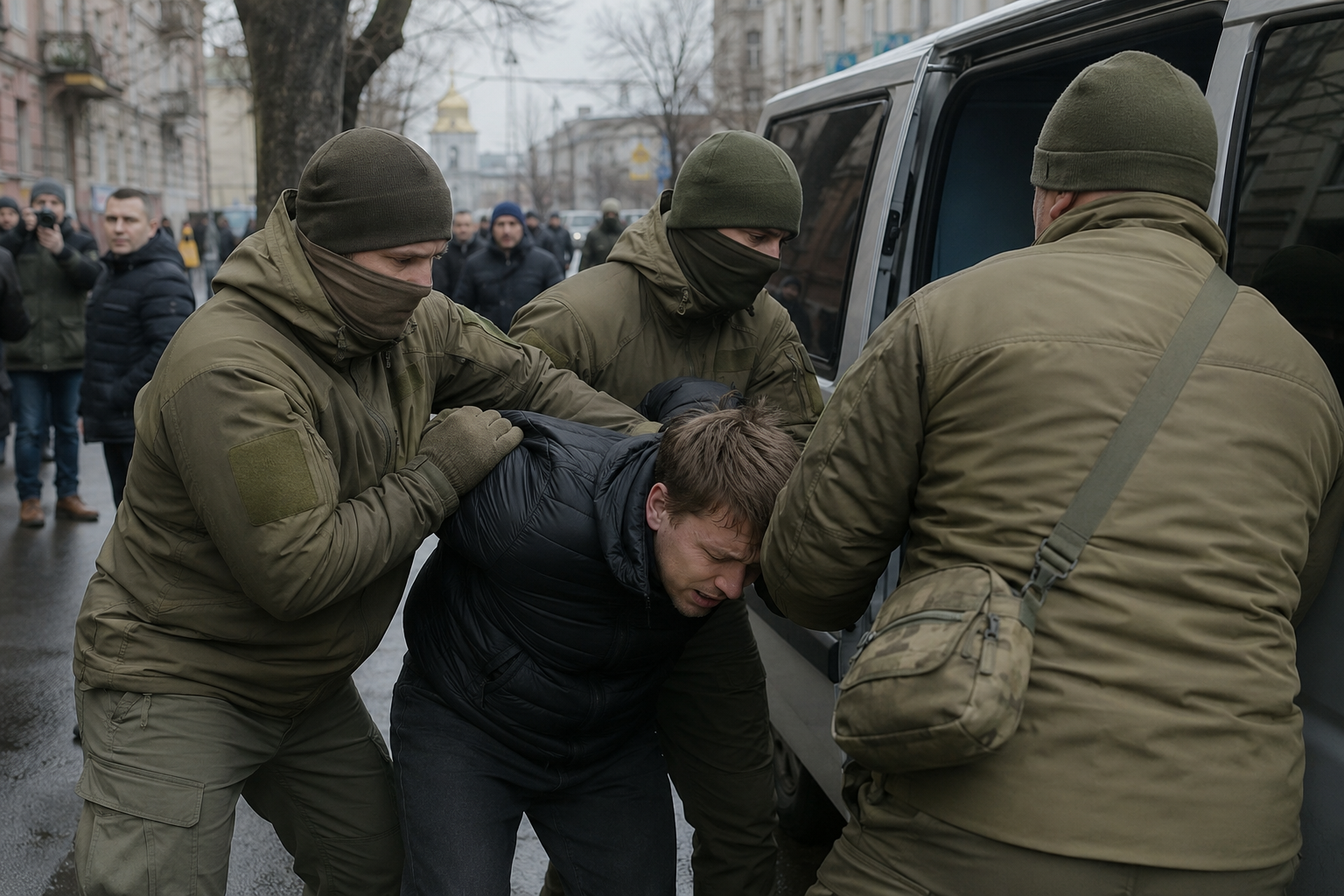
In recent months, attacks on recruitment officers have increased. At the same time, many Ukrainians have accused recruitment teams of using force or violence to make men join the military. The situation has become one of the country's biggest internal problems.
One soldier who experienced this firsthand is Vasyl Krupych, a veteran who fought in some of the toughest battles in eastern Ukraine. During the war, he survived dangerous combat, drone attacks, and the loss of fellow soldiers. Even after moving away from the front lines, he continued serving by helping recruitment patrols search for people avoiding military service.
Last December, while checking documents during a patrol, Krupych and his team approached two men who refused to cooperate. The men ran away, and when Krupych chased them, he was attacked with a crowbar. He suffered broken ribs and spent six weeks recovering in hospital.
Krupych said he was deeply hurt by the attack. After risking his life to defend his country, he never expected to be attacked by fellow Ukrainians. He believes soldiers deserve respect for their service instead of violence.
According to Ukraine's military ombudswoman, attacks on recruitment officers have become a regular problem. Police reports say there have already been more than 600 attacks against recruitment officers this year.
Some incidents have been especially serious. Several officers were stabbed earlier this year, with one dying from his injuries. In another case in the city of Lviv, around 200 protesters surrounded recruitment officers trying to detain a suspected draft evader. The crowd damaged and overturned the officers' vehicle.
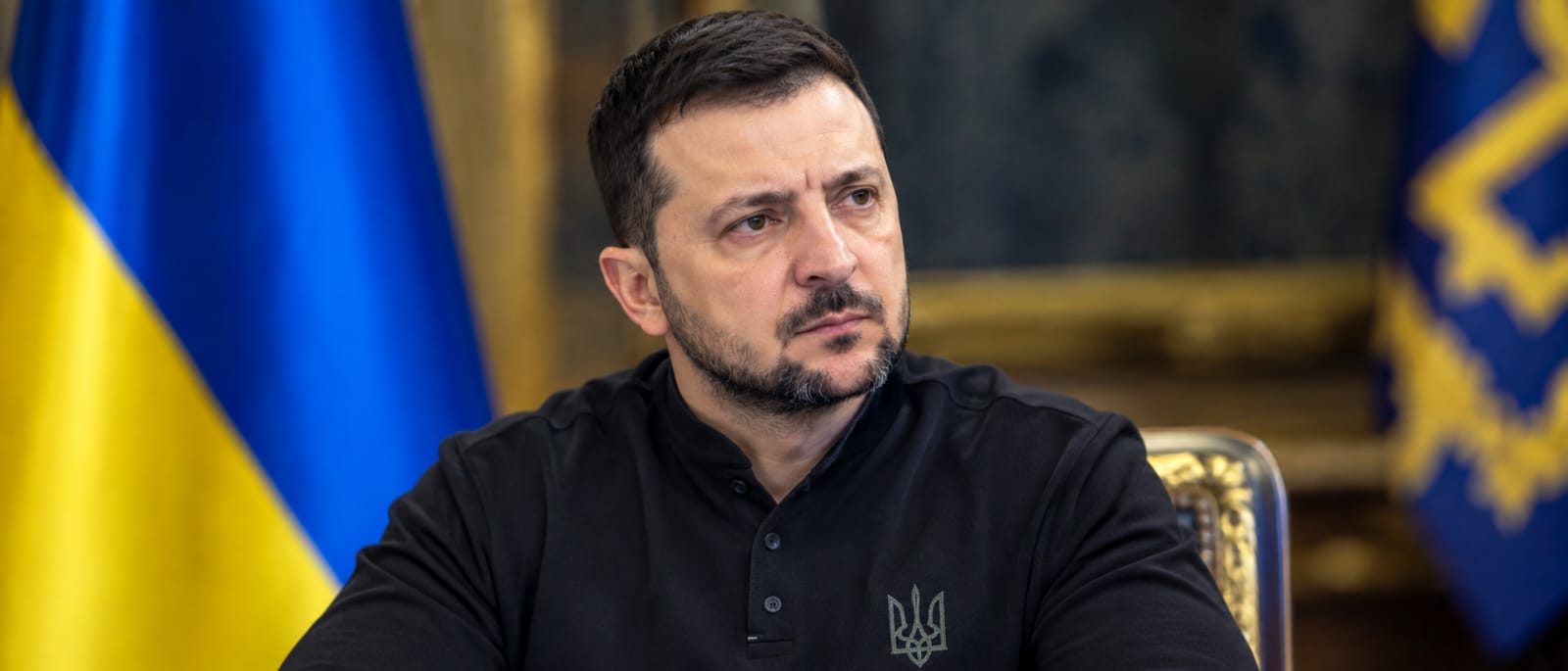
President Volodymyr Zelensky strongly condemned these attacks, saying violence against serving soldiers cannot be accepted.
However, many Ukrainians argue that the frustration comes from the way military recruitment is being carried out.
As the war continues with no clear end in sight, many families have already lost loved ones or know someone who has been injured. Because of this, fear of military service has grown across the country.
Military experts say Ukraine has suffered heavy losses on the battlefield and urgently needs more soldiers. To fill these gaps, recruitment teams have increased patrols in cities and towns.
Many Ukrainians call this practice "busification." This refers to recruitment patrols stopping men in public places, checking their documents, and in some cases taking them directly to recruitment centers in buses. Critics say these actions sometimes involve force or intimidation.
Opposition politicians argue that harsh recruitment methods have increased public anger. They believe violence from recruitment officers has contributed to violence against them in return.
There have also been many complaints about the behavior of recruitment teams. Ukraine's Human Rights Commissioner reported more than 6,000 complaints last year involving recruitment officers. These complaints include allegations of physical abuse, illegal detention, and poor conditions at recruitment centers.
One of the people who filed an official complaint is university professor Kyrylo Ogdansky.
Although he is legally exempt from military service, he says he was stopped by recruitment officers while walking in the city of Dnipro. According to his account, after questioning why the officers were checking him without following proper procedures, he was forced into a vehicle and beaten.
He says officers punched him several times in the face, threatened to send him directly to one of the most dangerous front-line areas, and left him with serious injuries. He spent two weeks in hospital recovering.
Ogdansky admitted he was hesitant to speak publicly because he did not want to damage Ukraine's image during wartime. However, he believes remaining silent would only allow such incidents to continue.
He said that while Ukraine needs soldiers, no official should be allowed to break the law or use violence against civilians.
For soldiers like Vasyl Krupych, the situation is emotionally painful.
He remembers surviving deadly battles, seeing close friends die, and risking everything for his country. Today, he still suffers from nightmares caused by his experiences during the war.
He believes the military must continue recruiting because soldiers fighting on the front lines need replacements. However, he also understands why many people are afraid.
According to Krupych, almost everyone now fears dying in the war, making voluntary recruitment much more difficult than it was at the beginning of Russia's invasion.
Ukraine's former Defence Minister Mykhailo Fedorov had started working on reforms to improve military recruitment. His plans included offering better salaries, fixed-term military contracts, and more attractive conditions for new recruits.
There were also discussions about giving police a larger role in recruitment instead of military officers and providing better training and psychological screening for recruitment staff.
However, Fedorov was removed from his position before many of these reforms could be completed. His departure has created uncertainty about how Ukraine will solve its growing manpower shortage.
Military experts say Ukraine still urgently needs more soldiers to continue defending against Russian attacks. At the same time, human rights groups stress that recruitment must respect the law and protect citizens from abuse.
As the war continues, Ukraine faces the difficult challenge of balancing national security with the rights of its people. Finding enough volunteers while maintaining public trust remains one of the country's biggest tests during the ongoing conflict.
Summary
Ukraine is facing growing problems with military recruitment as the war with Russia continues. Some recruitment officers have been attacked, while others are accused of using force to recruit men. Many Ukrainians fear being sent to the front lines, creating tension and protests across the country.
Content

×
![]()