
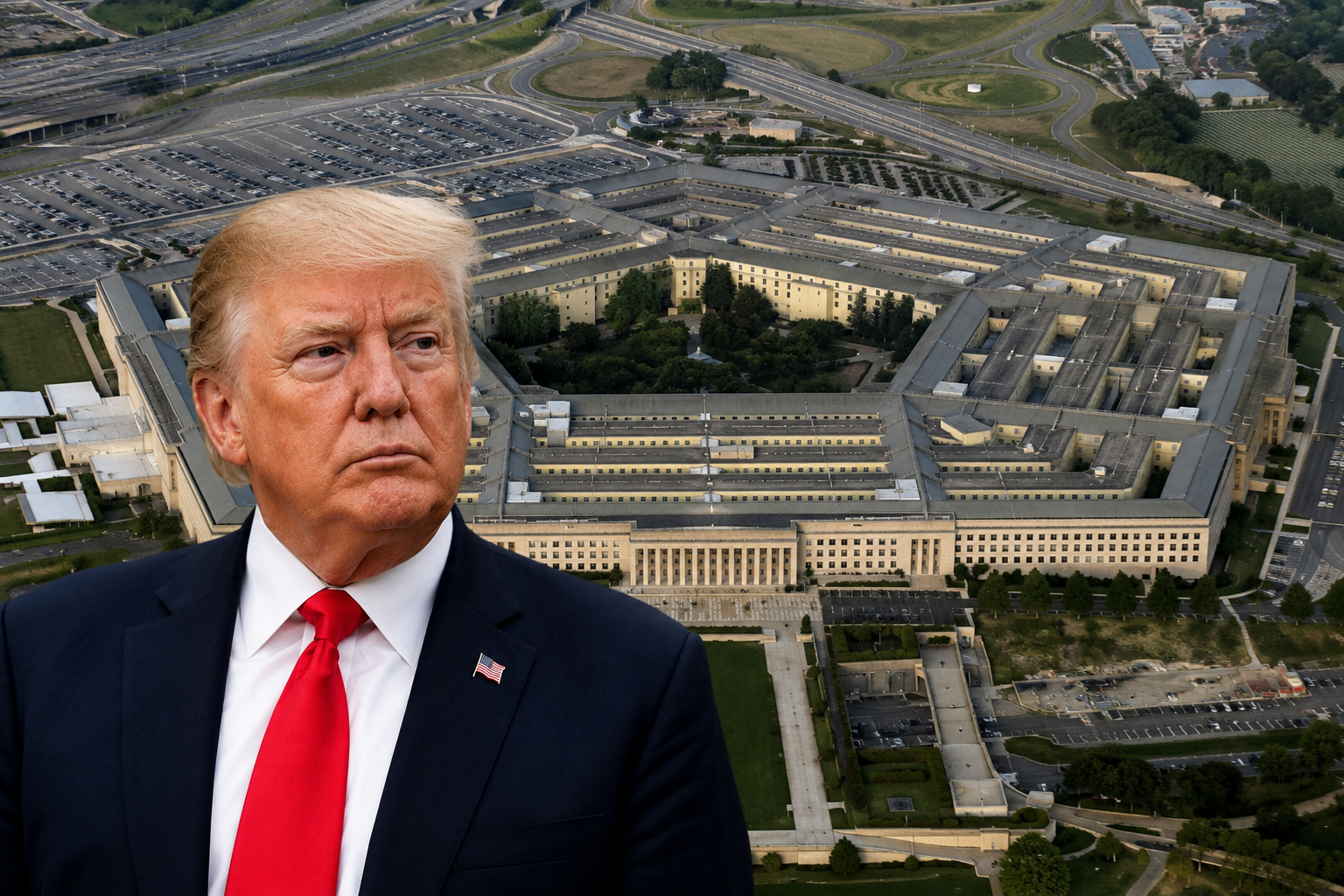
The Pentagon is reportedly requesting an additional $80 billion to cover the growing costs of military operations related to the conflict with Iran. According to reports, the request comes as the United States faces rising expenses, increased military activity, and the rapid use of advanced weapons and ammunition.
Defense officials say the conflict has become much more expensive than originally expected. Large numbers of missiles, air defense interceptors, precision-guided bombs, and other military equipment have been used during recent operations. As a result, U.S. weapons stockpiles are being depleted more quickly, creating concerns about maintaining military readiness for future missions.
The additional funding would help replace weapons already used in combat, increase the production of new missiles and ammunition, support military deployments, and improve logistics. It would also be used to strengthen air defense systems and ensure that U.S. forces remain prepared if the conflict continues for a longer period.
Military experts have pointed out that modern warfare is extremely costly. Every interceptor missile launched to stop an incoming ballistic missile can cost millions of dollars. When dozens or even hundreds of missiles are fired during an attack, the financial burden rises rapidly. This has increased pressure on defense budgets and highlighted the importance of maintaining strong industrial production for military equipment.
At the same time, the conflict has raised new questions about missile defense systems. Videos shared on social media and reports from the region claim that some Iranian missiles managed to evade interceptor systems and hit their intended targets. While many missiles were reportedly intercepted, some appear to have reached military facilities or strategic locations.
Military analysts note that no missile defense system is perfect. Air defense networks are designed to stop as many incoming threats as possible, but they cannot guarantee a 100 percent success rate. If a large number of missiles are launched at the same time, defensive systems can become overwhelmed, allowing some missiles to pass through.
Iran has invested heavily in developing ballistic missiles, cruise missiles, and drones over the past several years. Some of these weapons are designed to travel at high speeds, change direction during flight, or overwhelm air defenses with large coordinated attacks. These tactics make interception more difficult, especially during large-scale missile barrages.
The reported success of some Iranian missiles has increased concerns among military planners. Officials are closely reviewing the performance of air defense systems and studying ways to improve interception capabilities. This could include producing more interceptor missiles, upgrading radar systems, improving early-warning networks, and strengthening cooperation with allies.
The growing cost of the conflict is also becoming an important political issue. Lawmakers will likely debate whether the Pentagon should receive the full $80 billion request. Supporters argue that maintaining strong military capabilities is necessary to protect U.S. forces and national security. Others are expected to question the rising financial burden and ask whether additional spending is justified if the conflict continues for an extended period.
Beyond military costs, the conflict has also affected global markets. Rising tensions in the Middle East have increased concerns about energy supplies and shipping routes. Any disruption in the region could influence global oil prices and international trade, adding further economic pressure around the world.
Defense manufacturers are also expected to play a major role if the funding is approved. Increased production of missiles, ammunition, air defense systems, and other military equipment would help replenish U.S. stockpiles while supporting future operational needs.
As the situation develops, military leaders continue to monitor events closely. They are assessing battlefield performance, reviewing the effectiveness of defensive systems, and preparing for possible future escalation. The request for additional funding reflects the reality that prolonged military operations require significant financial resources, constant resupply of weapons, and continued investment in defense technology.
If approved by Congress, the proposed $80 billion package would become one of the largest recent increases in U.S. defense spending related to a single ongoing conflict. The coming weeks are expected to bring further discussions about military strategy, defense readiness, and the long-term costs of the confrontation with Iran.
World News
Pentagon Seeks $80 Billion More as Iran War Costs Rise and Missile Defenses Face Pressure
Summary
The Pentagon is reportedly asking for an additional $80 billion to support ongoing military operations linked to the conflict with Iran. Officials say the extra funding is needed because the war is becoming more expensive and U.S. weapons stockpiles are being used faster than expected. At the same time, videos circulating online claim that some Iranian missiles have managed to get past air defense systems and strike their targets, raising fresh concerns about the effectiveness of missile interception during the conflict.
Content


×
![]()