
The conflict between the United States and Iran has continued to grow, with both countries carrying out new military attacks across the Middle East. Early on Tuesday, the United States launched another round of air strikes on Iran, marking the tenth consecutive night of attacks. Iran responded by targeting US military assets in Bahrain and Kuwait and warned that the Strait of Hormuz would remain closed as long as the conflict continues.
According to the US military, the latest strikes were aimed at Iranian military command centres, missile launch sites, drone facilities, air defence systems, and naval capabilities. US Central Command (CENTCOM) said these operations are part of its ongoing military campaign against Iran.
Several explosions were reported across southern Iran during the night. Residents reported hearing blasts on Qeshm Island, which is located near the Strait of Hormuz. Explosions were also reported in Bandar Abbas and Bandar Lengeh, two important port cities along Iran's southern coast.
In the city of Shiraz, Iranian state media reported that two locations were attacked. Officials said one site in the eastern part of the city and another in the western area were hit during the overnight strikes.
Earlier reports suggested explosions had also taken place in Isfahan Province, but Iranian officials later denied those claims. Authorities stated that there had been no attacks or explosions in Isfahan itself.
In Bushehr Province, local officials said the sounds of explosions were caused by Iranian air defence systems responding to possible threats. Meanwhile, Iranian media also reported several explosions in the western city of Abdanan in Ilam Province.
After the US attacks, Iran announced new military operations against US positions in the Gulf region.
The Islamic Revolutionary Guard Corps (IRGC) claimed it struck US military targets in Bahrain. According to Iranian state media, the attacks targeted radar systems, air defence equipment, and other military facilities in the Muharraq and Al-Riffa areas.
The IRGC also claimed it destroyed a US Patriot air defence system during the operation. These claims have not been independently confirmed.
Iran also said it carried out attacks on US military assets in Kuwait. The IRGC claimed it targeted long-range radar systems, communication centres, satellite facilities, missile defence equipment, and an MQ-9 drone hangar at Ali Al Salem Air Base. Iran said several unmanned aircraft were damaged or destroyed during the strike, although independent confirmation is not available.
The fighting also affected the Strait of Hormuz, one of the world's most important shipping routes for oil exports.
The IRGC said two oil tankers caught fire after explosions while travelling through what it described as an unsafe route in the Strait of Hormuz. Iranian officials said rescue teams were working to evacuate the crews from both vessels.
Iran warned international shipping companies not to rely on information provided by the US military and urged them to avoid routes that it considers dangerous.
The IRGC also repeated its warning that the Strait of Hormuz would remain closed if US military operations continue in the region. Iranian officials stated that oil, natural gas, and other exports would not pass through the waterway while the conflict remains active.
The Strait of Hormuz is one of the world's busiest energy routes. A large portion of global oil and liquefied natural gas exports pass through this narrow waterway every day. Any disruption to shipping in the area could affect global energy supplies and increase oil prices.
Despite the ongoing military operations, diplomatic efforts have not completely stopped.
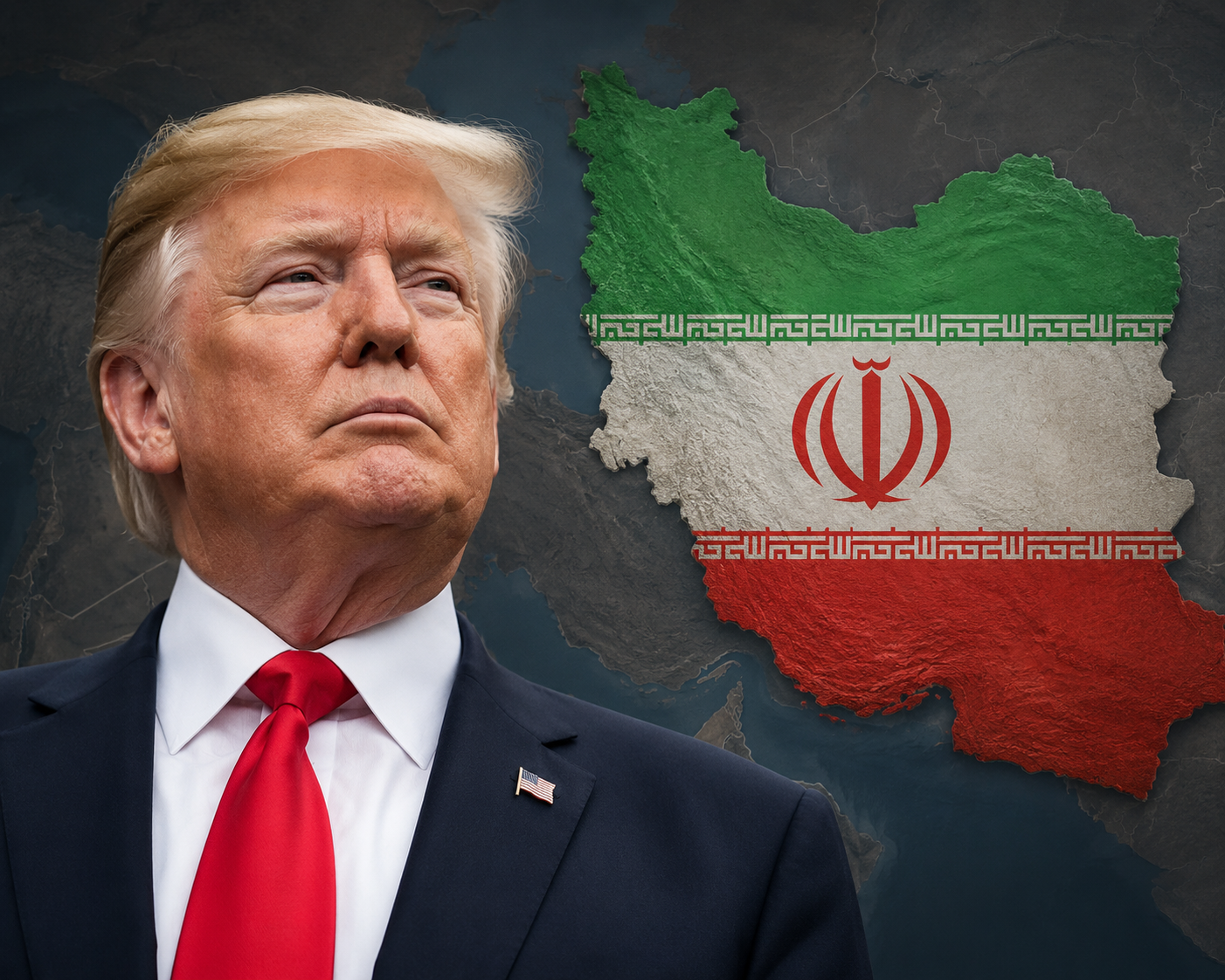
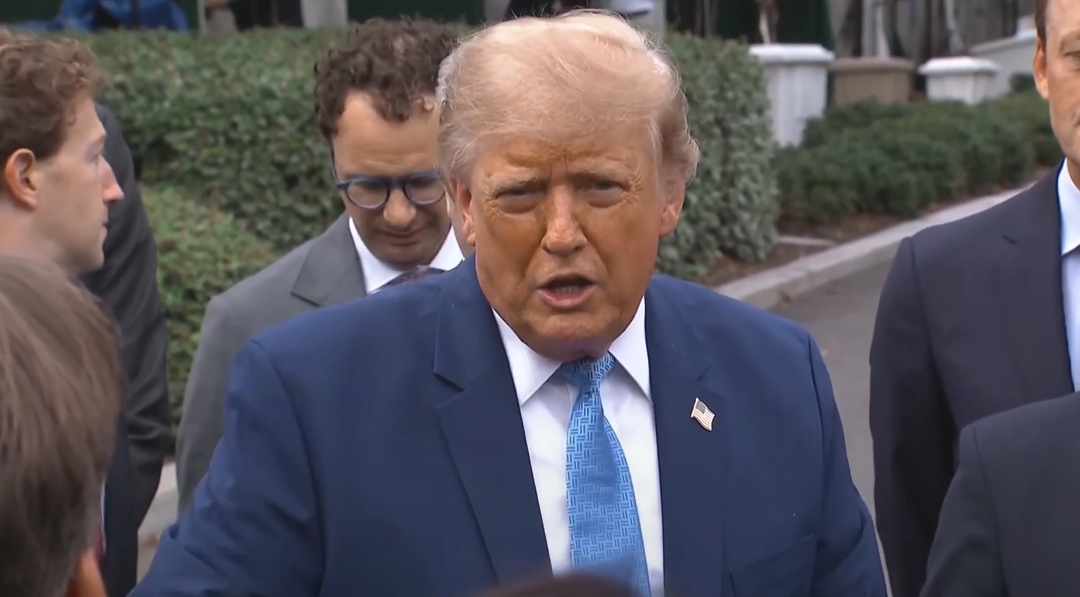
The White House said that US military strikes will continue unless President Donald Trump decides otherwise. At the same time, US officials confirmed that diplomatic discussions between Washington and Tehran are still taking place.
This suggests that while both countries continue military action, they are also keeping communication channels open in the hope of reducing tensions if possible.
The latest attacks have increased concerns that the conflict could spread further across the Middle East. Countries in the Gulf region remain on high alert as military operations continue.
Military analysts warn that continued attacks on oil facilities, military bases, and shipping routes could have serious consequences for regional security and the global economy. Any further escalation may also affect international trade and energy markets.
Many governments are closely monitoring the situation and have urged both sides to avoid actions that could lead to a wider regional war. International organisations have also called for restraint and renewed diplomatic efforts to prevent further violence.
For now, both the United States and Iran continue to exchange military strikes while diplomatic talks remain active in the background. The situation remains highly tense, and developments over the coming days could play a major role in determining whether the conflict expands further or moves toward negotiations.
Summary
The United States carried out air strikes on Iran for the tenth night in a row, targeting military sites. Iran responded by attacking US military positions in Bahrain and Kuwait and claimed that two oil tankers caught fire in the Strait of Hormuz. Both sides continue military operations while diplomatic talks are reportedly still ongoing.
Content

×
![]()