
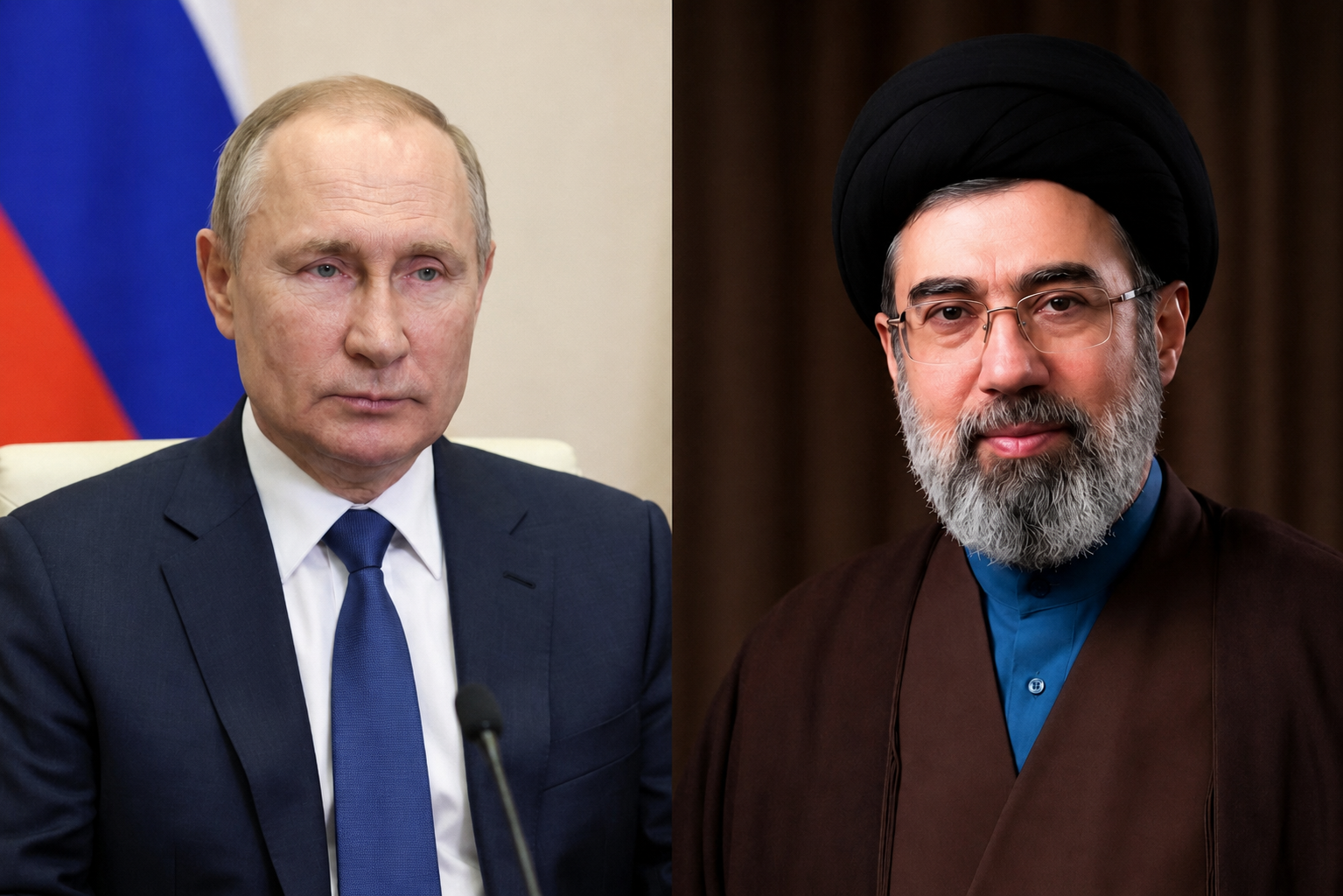
Questions are growing about whether Russia has secretly helped Iran carry out more accurate attacks on US intelligence and military sites in the Middle East. Several recent reports claim that Moscow may have shared intelligence, satellite information, or advanced military technology with Tehran. Although no government has officially confirmed these claims, the reports have increased concerns about the growing military relationship between Russia and Iran.
The issue gained attention during the ongoing conflict between the United States, Israel, and Iran. Early in the war, reports claimed that Iran targeted locations linked to the US Central Intelligence Agency (CIA), including a CIA station at the US Embassy in Riyadh, Saudi Arabia. Later reports suggested that the attacks were unusually accurate, leading some experts to believe Iran may have received outside assistance.
According to media reports, US intelligence officials are now looking into whether Russia played a role in helping Iran identify American military personnel, aircraft, and intelligence facilities in the Gulf region. Investigators are examining whether Russian support made Iran's drone and missile attacks more precise than in previous conflicts.
Some military experts believe this possibility is realistic. They point out that Russia has advanced satellite systems and military intelligence capabilities that Iran does not fully possess. Russia operates high-quality military satellites that can provide detailed images and tracking information. Iran, by comparison, has more limited space-based capabilities. If Russia shared satellite data or intelligence, it could have helped Iran choose targets with greater accuracy.
At the same time, experts also say Iran should not be underestimated. Over many years, Iran has developed its own intelligence networks across the Middle East. It has invested heavily in drones, ballistic missiles, and surveillance systems. Iran has also built relationships with allied groups in several countries, giving it access to information on the ground. Because of this, analysts believe Iran already had many of the capabilities needed to carry out attacks, even without Russian help.
The military relationship between Russia and Iran has grown much stronger since the start of the Ukraine war in 2022. After Western countries imposed sanctions on Russia, Moscow and Tehran increased their cooperation. Iran reportedly supplied Russia with Shahed drones and other weapons that were used in the war in Ukraine. In return, Russia is believed to have shared military knowledge, technology, and training with Iran.
Last year, the two countries signed a long-term strategic partnership agreement aimed at increasing cooperation in defense, trade, energy, and security. While Russian officials have said the agreement is not a formal military alliance, many analysts believe it reflects a much closer partnership than in the past.
Reports have also suggested that Russia helped improve the accuracy of Iran's Shahed-136 drones by providing advanced navigation equipment, including the Kometa-M anti-jamming system. This technology helps drones continue flying accurately even when electronic jamming systems are used against them. Russia has denied these reports, calling them false, but the claims continue to attract attention among military experts.
For Russia, the conflict between the US and Iran may provide several strategic advantages. As global attention shifts toward the Middle East, international focus on the war in Ukraine becomes weaker. Some analysts believe this benefits Moscow by reducing political and military pressure from Western countries. A larger conflict involving the United States could also stretch American military resources across multiple regions.
For Iran, closer cooperation with Russia provides access to valuable technology, military experience, and diplomatic support. Facing heavy sanctions and growing military pressure, Iran sees Russia as an important partner in balancing US influence. Both countries often describe themselves as resisting Western pressure and promoting a different global balance of power.
Despite these reports, experts caution that there is still no public evidence proving Russia directly helped Iran choose specific targets. The investigations are ongoing, and officials have not released any confirmed findings. Intelligence matters are often difficult to verify because much of the evidence remains classified.
Meanwhile, fighting between the United States and Iran continues to intensify. US forces have carried out another series of airstrikes on Iranian targets, while Iran has responded with drone and missile attacks against US-linked facilities and regional partners. The conflict has raised fears of a wider regional war involving more countries across the Middle East.
Military analysts believe that Iran's own improvements in drone technology, missile production, and intelligence gathering remain the biggest reasons behind its recent military performance. Even if Russia provided assistance, they argue that Iran has spent years building the capabilities needed for modern warfare.
The growing partnership between Russia and Iran is likely to remain a major concern for the United States and its allies. If future investigations confirm deeper military cooperation, it could reshape security policies across the Middle East and beyond. For now, the reports remain under investigation, but they highlight how closely connected today's global conflicts have become.
As the war continues, governments around the world are watching carefully. Whether Russia's role is eventually confirmed or not, the close relationship between Moscow and Tehran is expected to remain an important factor in future developments across the region.
Summary
New reports suggest Russia may have helped Iran improve the accuracy of attacks on US intelligence and military sites in the Middle East. While there is no official proof, US officials are investigating whether Moscow provided intelligence, satellite data, or navigation technology. Experts say Russia and Iran have become much closer partners in recent years, especially after the Ukraine war.
Content
×
![]()