
Iran says it is close to reaching an agreement with Oman over how ships could safely travel through the Strait of Hormuz, but Tehran has warned that the agreement alone will not automatically reopen the important waterway.
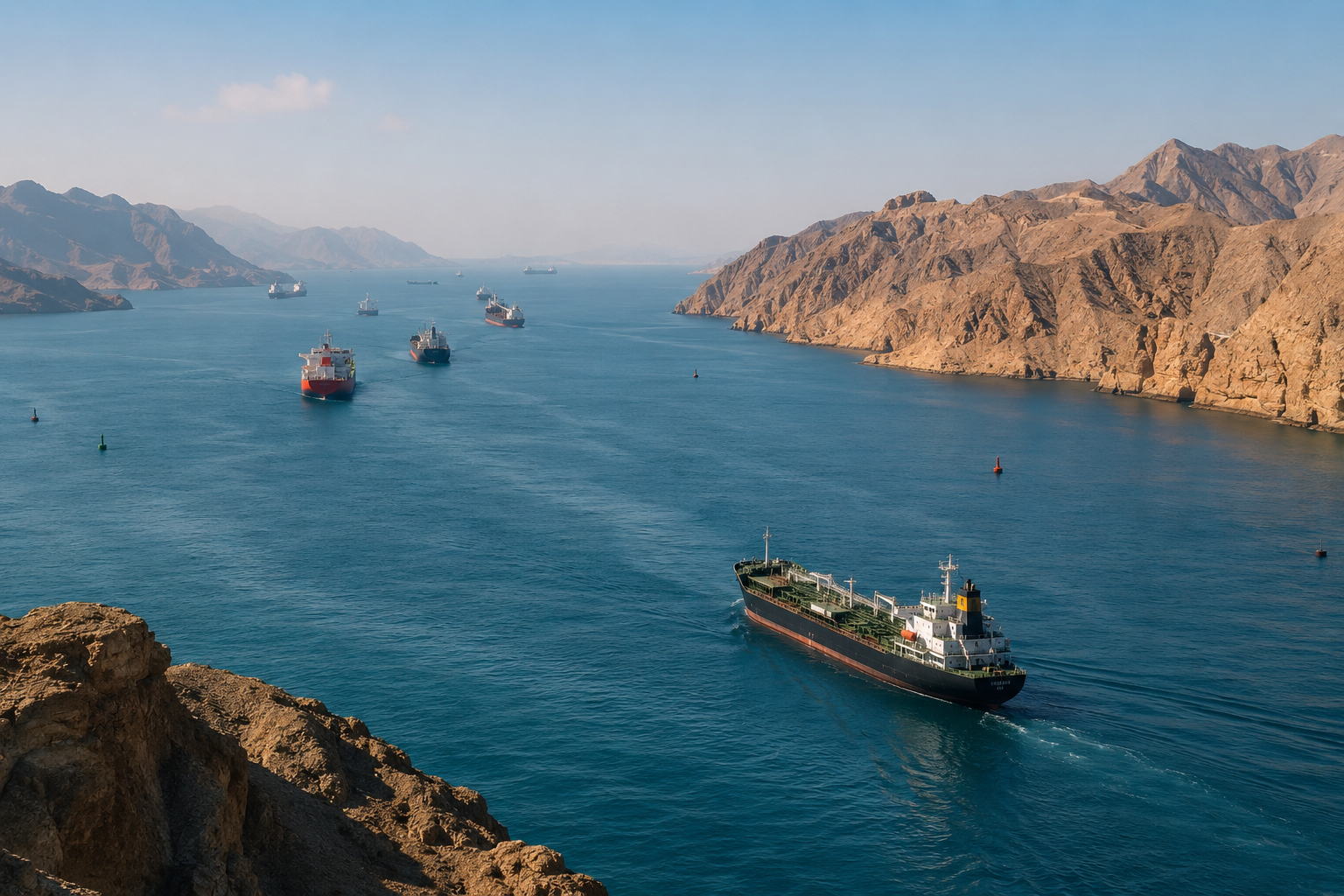
The Strait of Hormuz is one of the world's most important shipping routes. A large share of global oil and gas shipments normally passes through the narrow waterway between Iran and Oman. Because of the ongoing conflict in the region, shipping through the strait has been heavily disrupted, creating concerns about energy supplies and higher oil prices.
Iranian Foreign Minister Abbas Araqchi said on Saturday that Iran and Oman were "very close" to reaching an agreement on a new route for ships. However, he said several other issues still needed to be resolved before the waterway could fully return to normal.
According to Iranian officials, the previous system used to separate shipping traffic through the strait is no longer acceptable to Tehran. Iran and Oman are therefore discussing a temporary route that could allow commercial ships to move through the area while longer-term technical and legal questions are worked out.
The announcement comes after the United States said it expected Iran and Oman to reach an agreement soon.
A U.S. official said Washington believed progress had been made between the two countries. The official said the United States would remove its blockade of Iranian ports once a deal was announced and commercial shipping through the Strait of Hormuz could operate without major restrictions.
However, Iran's Revolutionary Guards gave a different message.
A spokesperson for the Guards said reopening the Strait of Hormuz would depend on the United States accepting Iran's conditions. He also said the issue was separate from the negotiations between Iran and Oman.
Iran has not publicly detailed all of its conditions, but Iranian officials have previously demanded compensation for damage caused during the conflict.
The disagreement shows that, although negotiations appear to be moving forward, there are still major differences between Iran and the United States.
The Strait of Hormuz has become a major part of the wider conflict. Iran has targeted U.S. military positions in Gulf countries and Jordan in response to attacks against Iran. Shipping has also come under pressure as Iranian forces have challenged vessels attempting to pass through the waterway.
The disruption has affected international energy markets because the strait normally carries a significant portion of the world's oil and gas shipments.
The United Arab Emirates also reported another incident on Saturday. The UAE said Iran had attacked a vessel connected to its state oil company while it was travelling through the Strait of Hormuz. The vessel was reportedly hit by a missile, although no injuries were reported.
Iranian authorities did not immediately comment on the accusation. Iranian media reported the UAE statement but did not include the part blaming Iran for the attack.
The shipping problems have already caused serious difficulties for energy companies. Abu Dhabi National Oil Company said 15 of its vessels had been hit since the conflict began. The company said one crew member had been killed and 20 others injured.
Iran has also been accused of charging fees to some oil tankers and stopping ships that it says did not follow its instructions. These actions have made international shipping more difficult and contributed to higher energy prices.
The situation is also connected to attacks by the Houthis in Yemen. The Iran-aligned group has attacked ships near the Red Sea and the Gulf of Aden, another important route for global trade and energy shipments.
For international markets, the main question is whether Iran and Oman can reach an agreement that allows shipping to return to normal.
A temporary route could provide some relief to shipping companies and energy markets. But a lasting solution may require Iran and the United States to resolve their wider disagreements.
For now, Iran is making clear that an agreement with Oman is only one part of the process. Tehran says the Strait of Hormuz will reopen fully only after its wider demands are addressed.
The developments are being closely watched by governments, shipping companies and energy markets around the world because any further disruption in the strait could affect oil supplies, fuel prices and global trade.
Summary
Iran says it is close to reaching an agreement with Oman on a new shipping route through the Strait of Hormuz. However, Tehran says the waterway will not fully reopen unless the United States accepts additional conditions, including compensation for damage caused by the conflict. The uncertainty has continued to disrupt shipping and global energy markets.
Content


×
![]()