
The United States and Iran are continuing to make conflicting claims over the Strait of Hormuz as the war between them creates growing pressure across the region.
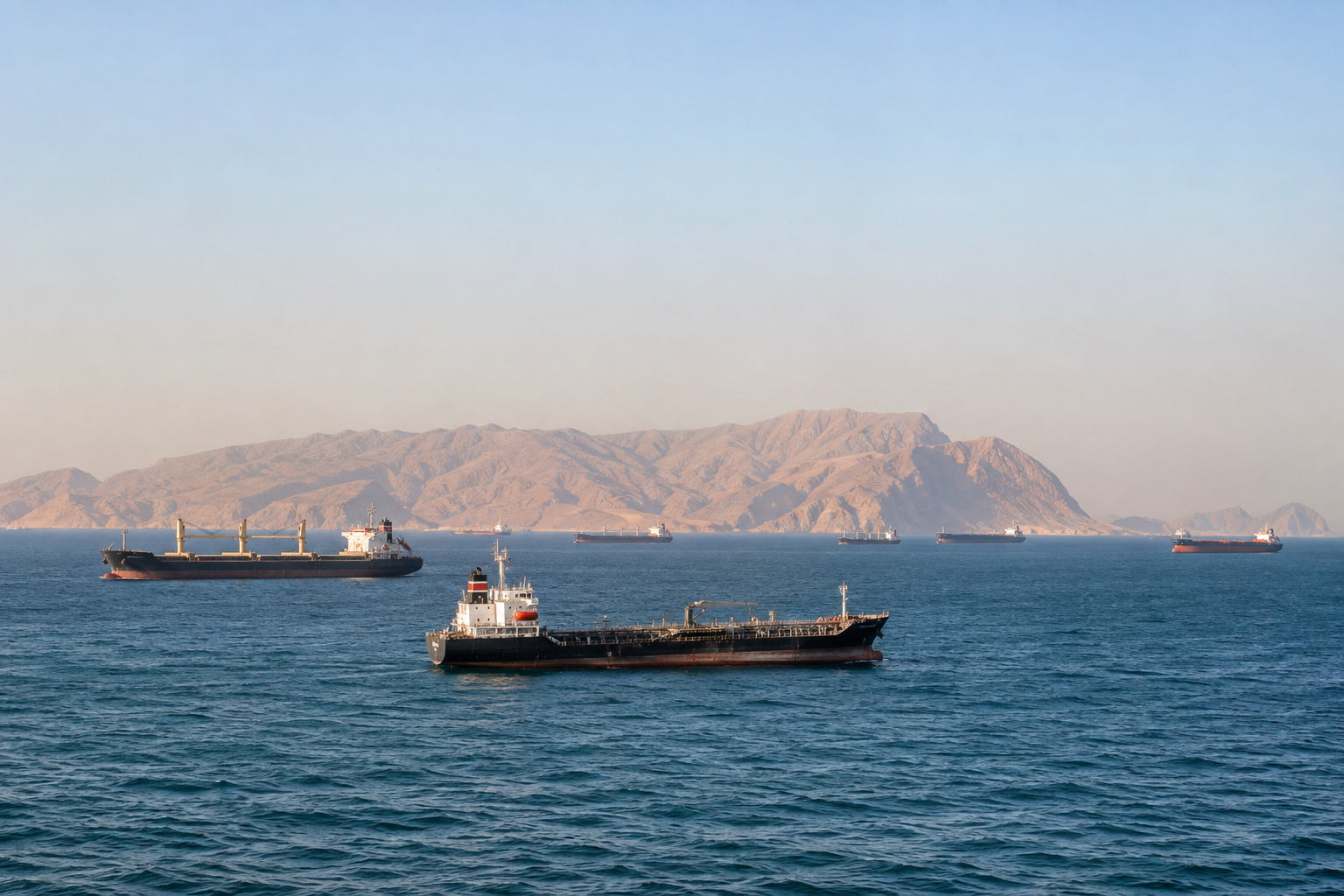
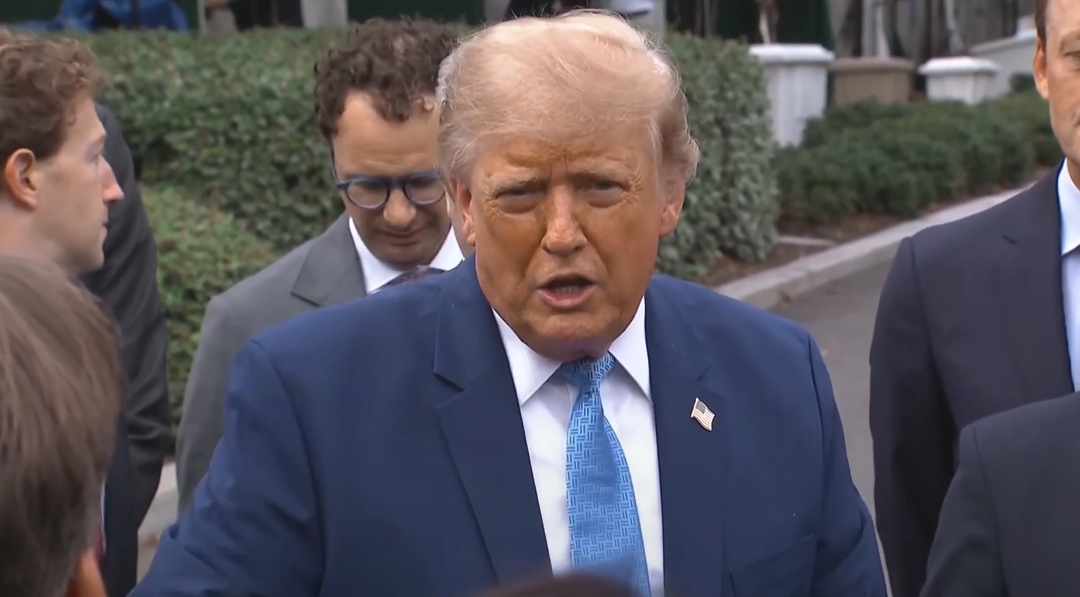
US President Donald Trump has again claimed that the United States has “total control” of the Strait of Hormuz. The important waterway connects the Persian Gulf with the Gulf of Oman and is one of the world's most important routes for oil and other energy shipments.
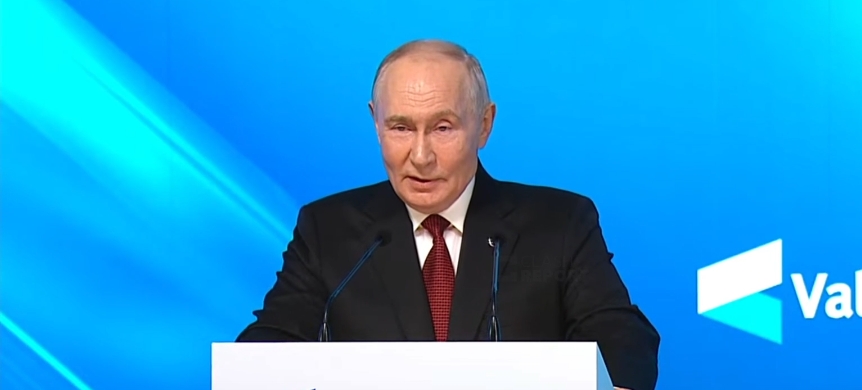
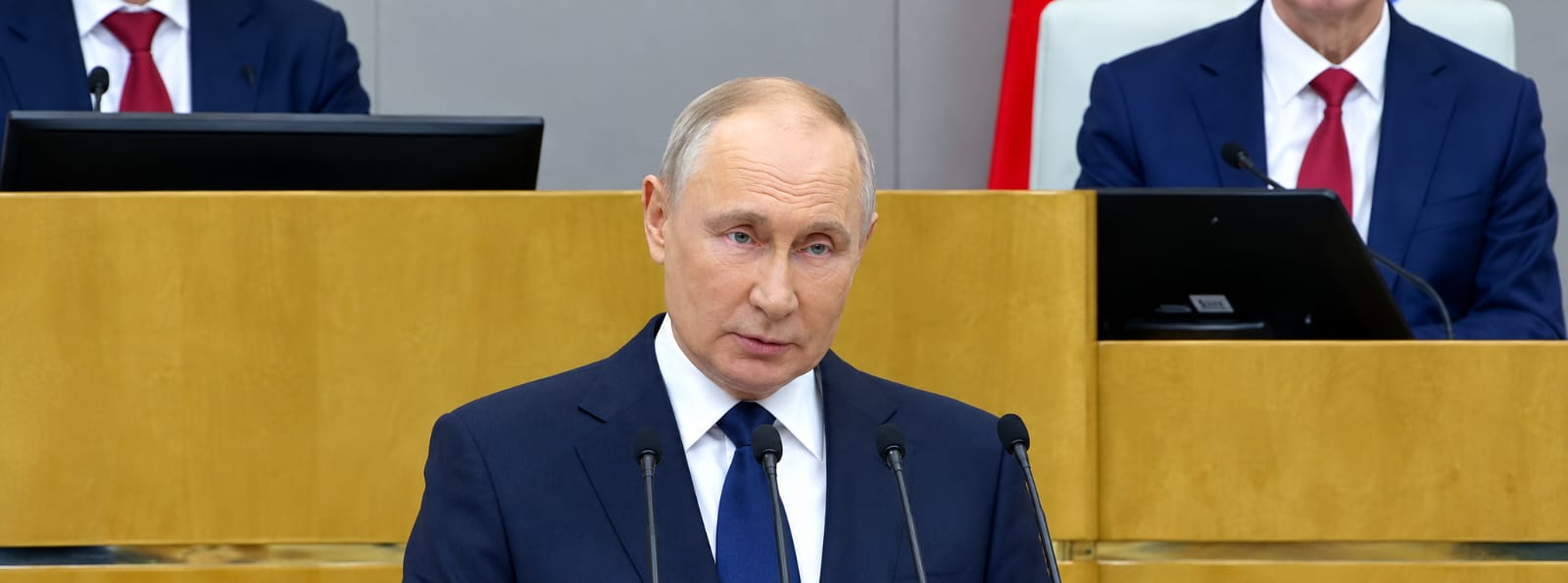
Iran strongly disagrees with Trump's claim. Hojjatoleslam Hossein Taeb, commander of Iran's Basij paramilitary organisation, said that the strait is under Iran's “control and management.” He said Iran remains secure and will continue its resistance against the United States.
The disagreement comes as shipping traffic through the strait has dropped sharply. Iran has largely stopped normal vessel traffic through the waterway and has threatened attacks, while the United States has imposed a blockade on Iranian ports. These developments have created uncertainty for ships, oil companies and countries that depend on energy supplies passing through the region.
Iran has said that the Strait of Hormuz will not fully reopen until the United States changes its behaviour and meets several Iranian demands. Tehran has also demanded an end to the war and compensation for damage caused by the conflict.
The situation is important because the Strait of Hormuz is a major global energy route. Any long-term disruption could affect oil supplies and prices in many countries. However, oil prices fell slightly on Thursday as investors also worried that weaker global demand could reduce the impact of supply problems.
Brent crude was trading at about $88.87 a barrel, while US West Texas Intermediate crude was around $83.11. The market remains focused on whether disruptions in the Middle East will become serious enough to create a major shortage of oil.
The conflict is also affecting other parts of the Middle East. Hamas has supported Iran's call for a region-wide ceasefire, including an end to fighting in Gaza and Lebanon. Hamas said that ending the wars would be in the best interests of people across the region.
Meanwhile, tensions continue in the occupied West Bank. Israeli settlers have been surrounding Palestinian homes in Qusra, where residents say roads have been blocked and water and electricity have been cut. One resident, Aisha Abu Rida, said Palestinians in the area would not leave their homes despite the difficult conditions.
Israeli forces have also carried out raids in several northern West Bank communities and detained Palestinians. Israeli forces said they dismantled two illegal outposts near Qusra and Jalud and arrested one Israeli person.
In another development, Israeli settlers reportedly moved back into the Ganim settlement near Jenin after Israeli forces demolished 26 shops in the area. Israeli officials have described the demolitions as necessary for settlement and security purposes, while Palestinians and international bodies have strongly opposed settlement activity in occupied Palestinian territory.
The wider conflict is therefore creating problems far beyond the Strait of Hormuz. Fighting, blockades, attacks and political tensions are affecting shipping, energy markets and communities across the region.
For now, both Washington and Tehran continue to insist on their own positions. The United States says it controls the strategic waterway, while Iran says the strait remains under its control. With shipping traffic still heavily disrupted, the situation could continue to put pressure on global energy markets and increase fears of a wider regional crisis.
Summary
The United States and Iran are making opposite claims about who controls the Strait of Hormuz, a key route for global oil shipments. US President Donald Trump says the US has “total control” of the waterway, while an Iranian military commander says Iran controls and manages it. Shipping traffic has fallen sharply as the war continues, raising concerns about oil supplies and global prices. Iran says the strait will remain closed until the US changes its actions and meets its demands.
Content

×
![]()