
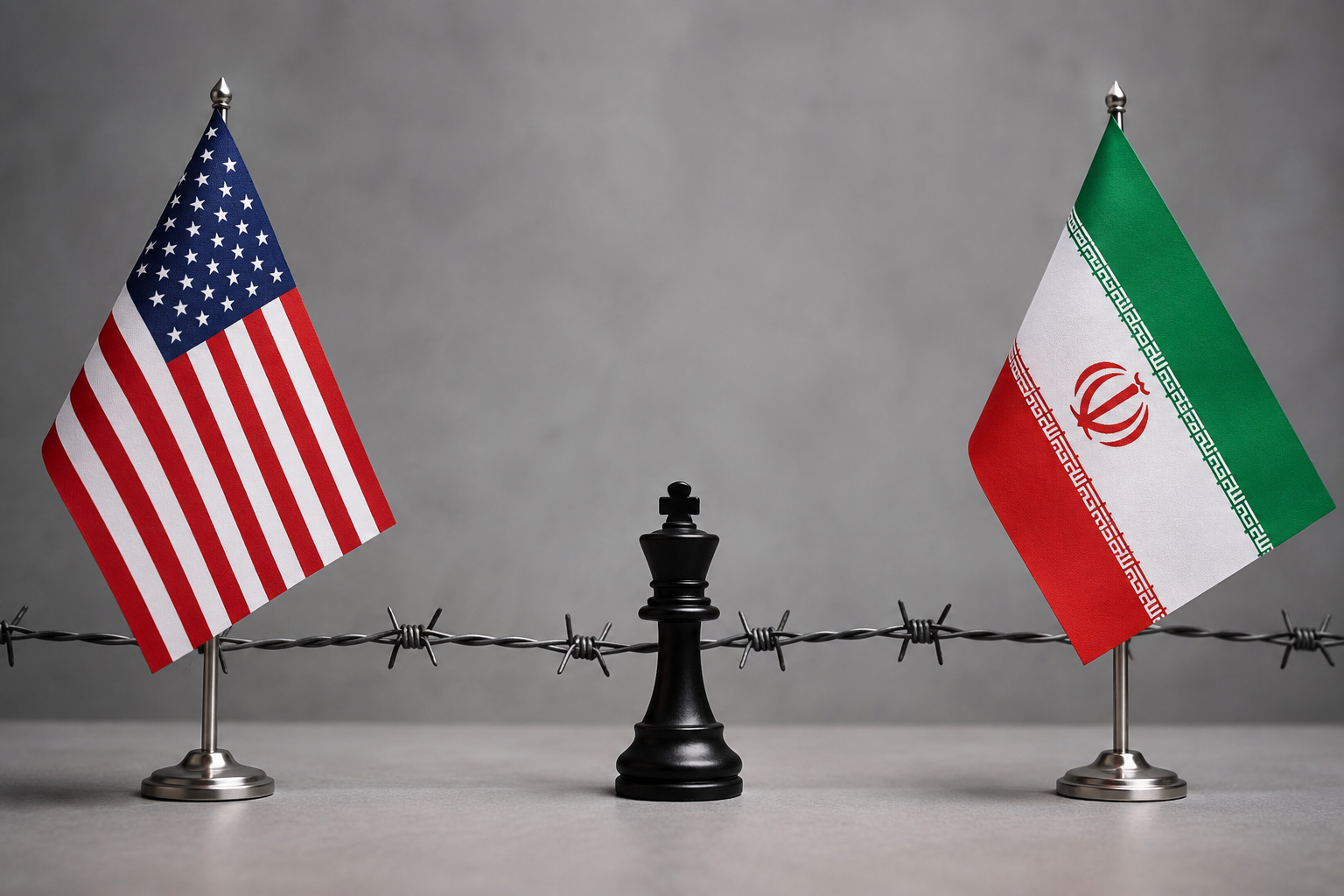
The US-Israel war with Iran could be heading toward a stalemate, with neither side able or willing to claim defeat. According to analyst Paul Musgrave, the conflict may now enter a new phase in which the United States increases economic and political pressure on Iran instead of achieving a clear military victory.
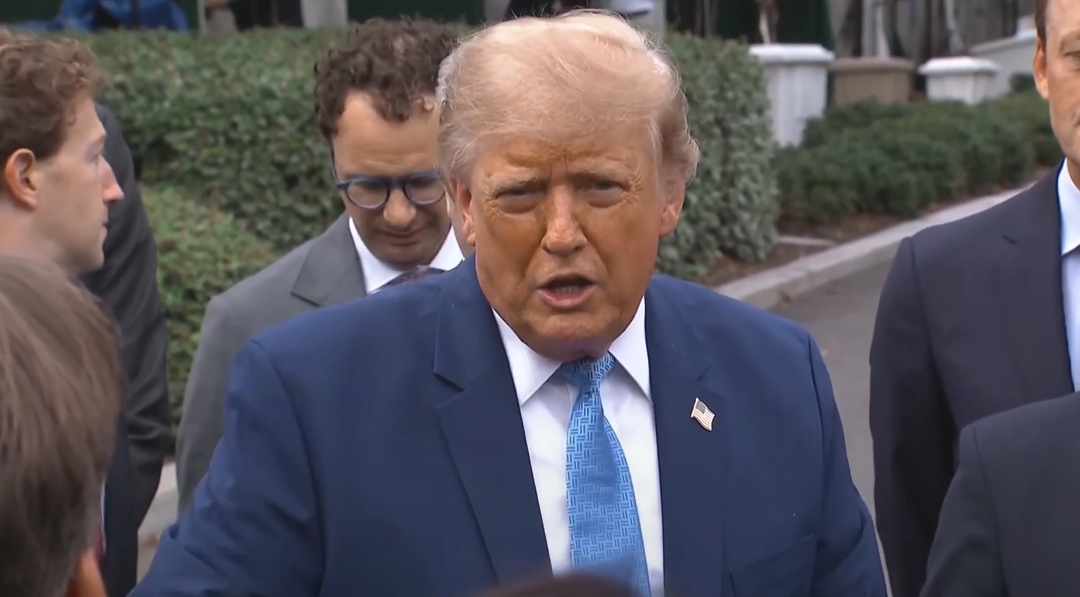
Musgrave, an associate professor of government at Georgetown University in Qatar, was discussing recent comments by US President Donald Trump about the Strait of Hormuz. Trump has suggested that the important waterway could become US territory. Musgrave said such statements should be understood carefully because Trump often uses strong language to appeal to his political supporters in the United States.
The analyst described Trump as a political “showman” who often makes dramatic statements. He said Trump’s words should sometimes be taken seriously, but not always literally. According to Musgrave, making the Strait of Hormuz part of US territory would be extremely difficult, both physically and legally.
The Strait of Hormuz is one of the world's most important shipping routes because a large amount of global oil and gas passes through it. Any major disruption there could affect energy supplies and prices around the world. This makes the waterway a major part of the wider conflict between the US, Israel and Iran.
Although Musgrave does not believe Trump's territorial claim can realistically happen, he said the comments reveal something important about Washington's position. Trump does not appear ready to accept what could be seen as a defeat after months of conflict with Iran.
Instead, the United States could move toward a longer campaign of pressure against Tehran. This could include new economic sanctions, restrictions on Iranian trade and financial activities, and other measures designed to weaken Iran's economy.
Musgrave also suggested that the conflict could expand into other areas. Cyberattacks could become a bigger part of the confrontation, allowing the US and its allies to target Iranian computer networks and important infrastructure without launching a traditional military operation.
Iran, however, is also showing no signs of wanting to accept defeat. Musgrave described Iran's public position as showing a degree of “bravado,” as Tehran tries to demonstrate that it can continue resisting pressure.
At the same time, Iran is facing serious economic difficulties because of the conflict and international pressure. The government must deal with the economic costs of the war while also trying to maintain public support.
Another important issue is the language used by Iranian officials. Some hardliners inside Iran do not want the government to appear weak by openly talking about “negotiations” with Washington. As a result, Iranian officials have denied direct talks with the United States while acknowledging discussions involving mediators.
Countries such as Qatar and Pakistan can therefore play an important role by communicating with both sides. Such indirect diplomacy could provide a way for Washington and Tehran to explore possible solutions without either government appearing to surrender.
The situation creates a difficult position for both sides. The United States wants to show that its military and economic pressure has achieved results, while Iran wants to demonstrate that it has resisted American and Israeli demands.
Neither side may be prepared to publicly admit that it has lost. This could make a quick end to the conflict difficult.
Instead of producing a clear winner, the war could gradually become a prolonged confrontation. Military operations may continue, while economic sanctions, cyber operations, diplomatic pressure and indirect negotiations become increasingly important.
A stalemate does not necessarily mean the fighting will immediately stop. It means that neither side is able to achieve its main goals or force the other side to surrender. The conflict could therefore continue at a lower or changing level while both governments search for ways to improve their positions.
Musgrave's assessment suggests that the coming months could be less about a decisive victory and more about pressure, negotiations and endurance. The US and Iran may continue competing on military, economic and diplomatic fronts without reaching a final settlement.
For now, both sides appear determined to avoid looking defeated. That could leave the conflict stuck in a long and uncertain phase, with a stalemate becoming the most likely short- to medium-term outcome.
Summary
The US-Israel war with Iran could enter a long period of stalemate, with neither side willing to admit defeat. Analyst Paul Musgrave says Trump’s strong statements about the Strait of Hormuz are aimed mainly at his supporters in the US. He believes the conflict could now shift toward economic sanctions, cyberattacks and pressure on Iran rather than a clear military victory.
Content

×
![]()