
Iran is facing growing economic pressure as the country continues to deal with the effects of its war with the United States and Israel. Iranian leaders are increasingly worried that tougher U.S. economic measures could make life harder for ordinary people and lead to new protests.
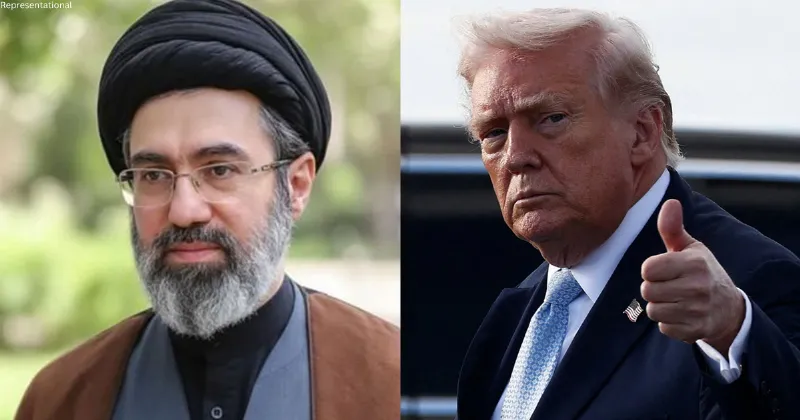
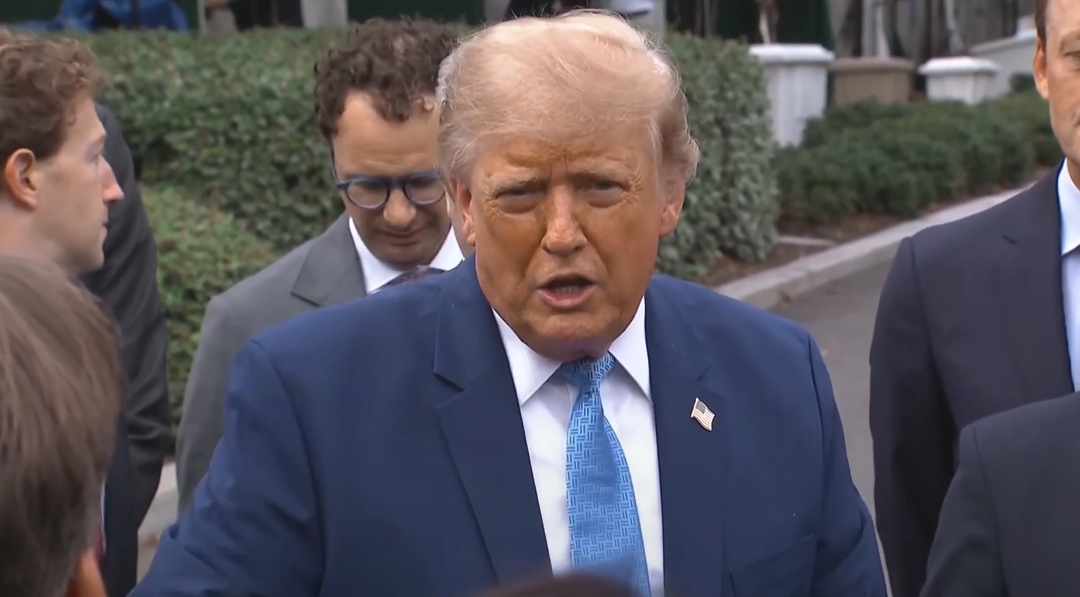
U.S. President Donald Trump has said he plans to hit Iran hard economically. U.S. Treasury Secretary Scott Bessent also said Washington could introduce measures against Iran that would be stronger than anything seen before. The United States has not yet explained exactly what the new measures will be.
Iranian officials are concerned because the country was already struggling before the latest conflict. Iran was dealing with high inflation, a weak currency, international sanctions, shortages of energy and other economic problems. The war has added even more pressure.
Fighting has damaged factories, power plants, roads, bridges and other important infrastructure. Trade has also been disrupted, while many businesses have been forced to reduce their operations or close.
For ordinary Iranians, the economic situation has become increasingly difficult.
One civil engineer from Isfahan told Reuters that he has struggled to find work because construction projects have been delayed or cancelled. The rising cost of materials has also made it harder for companies to continue their work.
He said he was worried that new U.S. sanctions would make life even harder for ordinary people. His situation reflects the problems facing many families across Iran.
Small businesses have also suffered. One businessman from Bandar Abbas said he had to close his import-export business after the conflict disrupted trade with Gulf countries. He was forced to dismiss 10 workers and now depends on his savings to support his family.
Inflation Is Hurting Families
One of Iran’s biggest problems is rapidly rising prices.
Iran’s annual inflation rate reached about 66% in July, according to the country’s Statistical Centre. Consumer prices were nearly 88% higher than a year earlier, while food prices increased by about 128%.
This means families are paying much more for basic items such as food.
Many households are now buying cheaper products and reducing their spending on meat and other important foods. Some families say their salaries disappear within only a few days because prices have risen so quickly.
A government employee in Yazd told Reuters that meat and chicken had almost disappeared from his family’s table. He said he was worried about how his family would survive as prices continued to increase.
Housing has also become more expensive. Rents increased by around 31% year-on-year in March, while housing prices in Tehran were reported to be about 50% higher than the previous year.
Although Iran increased its minimum wage by around 60% this year, the fall in the value of the Iranian rial has reduced the benefit of the increase. The value of the minimum wage in U.S. dollar terms has fallen significantly since March.
Businesses and Jobs Under Pressure
The economic crisis is also affecting employment.
Some professionals who once had stable jobs are now struggling to find enough work. An engineer named Bijan said he now earns much less than he did earlier in his career. He and his wife have been making around $400 a month and moved away from Tehran to a cheaper province.
He said much of his time is now spent either working, looking for work or worrying about whether he will have enough work in the future.
This growing uncertainty is making it difficult for many Iranians to plan their lives.
Fear of New Protests
For Iran’s leaders, the biggest concern may not simply be the economic damage. They are also worried that worsening living conditions could lead to another wave of nationwide protests.
Iran has experienced large protests in recent years, many of them linked to economic difficulties. Earlier this year, protests over economic problems were suppressed by Iranian security forces.
The government has also increased arrests, executions and prison sentences against activists, journalists, lawyers and others as it tries to maintain control during wartime.
Iranian authorities say such measures are necessary to protect stability. Critics, however, argue that stronger repression could increase public anger.
The appointment of Hossein Taeb, a former senior intelligence official and an important figure in previous crackdowns, to lead Iran’s Basij militia has also raised concerns about the possibility of renewed unrest.
War Is Making Trade More Difficult
Iran is trying to bring essential goods into the country through alternative routes, including land routes and the Caspian Sea. However, these routes are also facing problems.
Damage to bridges and transportation networks has made it more expensive and time-consuming to move goods into Iran.
Iranian President Masoud Pezeshkian has acknowledged that the country’s problems have increased while its income has fallen.
Iran is also selling less oil and collecting less tax from businesses affected by the war. At the same time, the country faces higher costs for rebuilding damaged infrastructure.
The situation has also affected fuel supplies. An Iranian lawmaker said the country’s gasoline production had reached around 130 million litres per day, while daily consumption was around 137 million litres.
This creates another serious challenge for the government.
What Happens Next?
Iran’s leaders now face a difficult situation. They must deal with the economic damage caused by the war while also trying to prevent public anger from turning into large protests.
If the United States introduces tougher economic measures, Iran could face even higher prices, weaker trade, fewer jobs and greater pressure on its currency.
For ordinary Iranians, the main concern is simple: whether they will be able to afford food, housing, fuel and other basic needs.
Iran’s government may continue to present an image of strength, but the economic pressure inside the country is growing. The coming weeks could show whether Iran can manage these problems or whether deeper economic hardship leads to another period of widespread unrest.
Summary
Iran is already facing serious economic problems after months of war with the United States and Israel. Inflation is extremely high, the Iranian currency has weakened, businesses have suffered, and many people are struggling to afford basic goods. Now, Iran’s leaders fear that new economic measures threatened by U.S. President Donald Trump could make the situation even worse and possibly trigger new protests across the country.
Content

×
![]()