
The UK, France, Germany, Italy and Canada have condemned Israel's decision to move forward with a major settlement project in the occupied West Bank.
In a joint statement, the five countries called Israel's plans to build new settlement homes in the E1 area "unacceptable". They urged the Israeli government to immediately cancel or withdraw the plans.
The latest dispute began after Israel's housing ministry opened tenders for the construction of 1,234 settlement homes. These homes are part of a much larger project involving 3,401 housing units that were approved by the Israeli government last year.
The E1 area is located between East Jerusalem and the Israeli settlement of Maale Adumim. It covers around 12 square kilometres of land in a highly sensitive part of the West Bank.
The project has faced international opposition for many years. Previous Israeli governments delayed major construction in the area because of pressure from other countries and concerns about its impact on the Israeli-Palestinian conflict.
Most of the international community considers Israeli settlements in the occupied West Bank illegal under international law. Israel disputes this position and has continued to allow settlements to expand.
The UK, France, Germany, Italy and Canada said the latest decision was especially worrying because of the current situation in the West Bank. Their joint statement pointed to increasing violence by settlers against Palestinian civilians and serious problems facing the Palestinian economy.
The countries warned that the E1 settlement project would not bring peace. Instead, they said it could push Israelis and Palestinians further away from a political solution and damage Israel's position internationally.
The United Nations has also expressed serious concern. The UN secretary-general warned that the E1 project could pose an "existential threat" to the possibility of creating a connected Palestinian state.
Belgium's foreign minister also criticised the project, sharing similar concerns about what the new construction could mean for the future of the region.
The main concern is the location of the E1 area. Palestinians want the West Bank, East Jerusalem and Gaza to form part of a future independent Palestinian state.
Critics of the settlement project say building a large Israeli settlement in E1 could effectively divide the West Bank into separate northern and southern areas. They fear this would make it extremely difficult for Palestinians to create a geographically connected and viable state.
The project could also limit Palestinian development around East Jerusalem. Opponents say this could block plans for a connected Palestinian urban area linking important Palestinian cities and areas, including Ramallah, East Jerusalem and Bethlehem.
Israeli Finance Minister Bezalel Smotrich, who supports settlement expansion, made his position clear when the wider project was approved last year. He said the idea of establishing a Palestinian state was being erased.
His comments caused further anger among Palestinians and supporters of a two-state solution.
The deadline for companies to submit bids for the 1,234 homes is 19 October. This comes only days before Israel's general election on 27 October.
Critics say the timing could make the project even more difficult to stop. Once tenders are issued and contracts move forward, a future Israeli government may find it harder to cancel the construction plans.
Israel has built around 160 settlements since capturing the West Bank and East Jerusalem during the 1967 Middle East war. Around 700,000 Jewish settlers now live in settlements across these areas.
At the same time, an estimated 3.3 million Palestinians live in the West Bank and East Jerusalem.
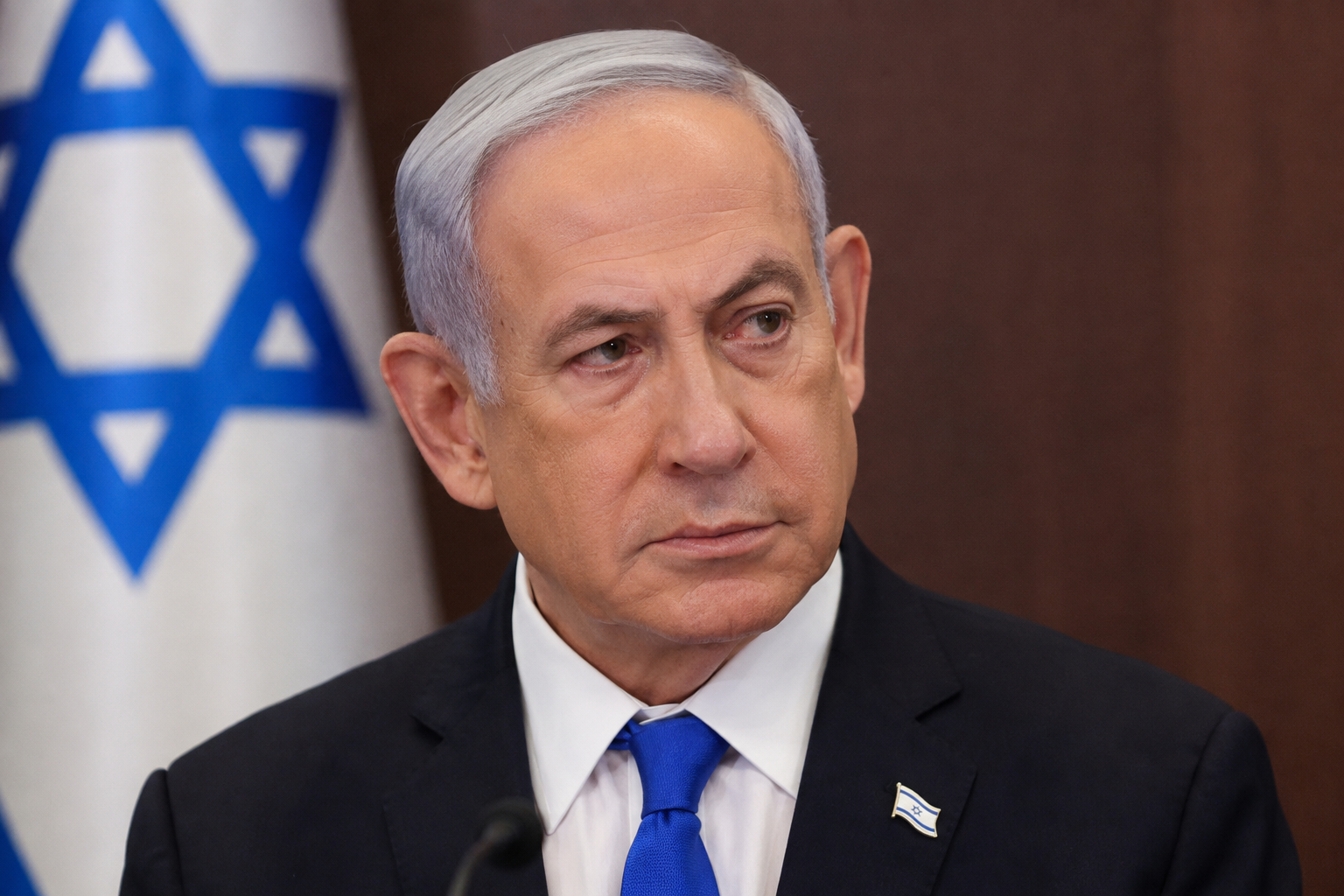
Settlement construction has continued despite strong international criticism. However, the expansion of settlements has increased sharply since Prime Minister Benjamin Netanyahu returned to power in late 2022 with a right-wing and strongly pro-settlement coalition.
The situation has also become more tense since the Gaza war began following Hamas's attack on Israel on 7 October 2023.
Palestinians and many international governments believe continued settlement expansion makes a future peace agreement much more difficult. They argue that as more settlements are built, less land remains available for a future Palestinian state.
Israel's government and settlement supporters have different views, arguing for Israel's security and historical and political claims to the land.
The disagreement over E1 now adds another major point of tension between Israel and some of its closest Western allies.
For the UK, France, Germany, Italy and Canada, the message was clear: they believe the settlement plans should be stopped immediately because they could further damage hopes for peace and a two-state solution.
With tensions already high across the West Bank and the wider Middle East, the future of the E1 project is likely to remain a major source of international criticism and political conflict in the coming months.
Summary
The UK, France, Germany, Italy and Canada have strongly condemned Israel's plans to build more than 1,200 settlement homes in the sensitive E1 area of the occupied West Bank. The countries called the decision unacceptable and asked Israel to withdraw the plans immediately. Critics say the project could make it much harder to create a future Palestinian state by dividing the West Bank and further isolating East Jerusalem. The United Nations has also warned that the project could pose a serious threat to the possibility of a connected and independent Palestinian state.
Content


×
![]()