
A massive flash flood and mudslide has caused a major disaster along the Nepal-Tibet border, killing at least 98 people and leaving hundreds of others missing. The disaster struck mountainous areas in Nepal and China's Tibet region, bringing huge amounts of water, mud, rocks and debris crashing through villages and border areas.
In Nepal, authorities have recovered at least 95 bodies, while hundreds of people remain missing. The latest reports say that many of those missing are tourists, including foreign visitors from several countries. Nepalese police said the number of missing tourists has risen to 579, including 466 foreign nationals from 28 different countries.
Among those missing are 54 people from the United States and 33 from the United Kingdom. Earlier reports also said that more than 100 Indian tourists were missing. The affected region is popular with trekkers, mountaineers and religious pilgrims travelling towards Mount Kailash and other important sites near the Nepal-China border.
The disaster has also affected Nepalese security forces and workers. Officials said that dozens of army personnel, police officers and power project workers are among those still missing. At least 44 army personnel, 28 police officers, 13 armed police officers and 60 people working on power projects were reported missing.
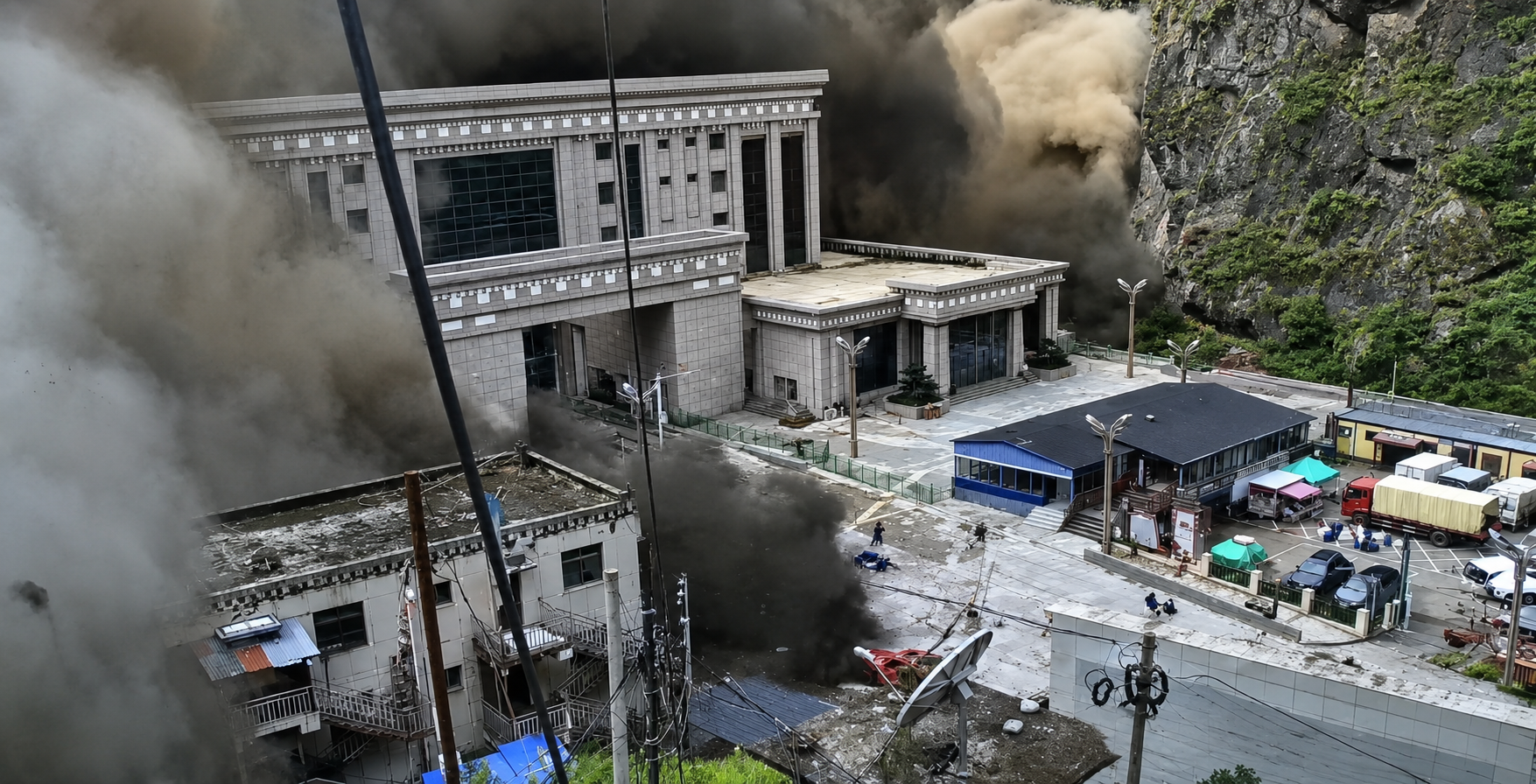
In Tibet's Gyirong area, Chinese state media reported that at least three people were killed and 265 others were missing after a powerful wave of water and mud struck the region. Videos from the area showed people running for their lives as a huge wall of muddy water destroyed buildings and swept through a valley.
Survivors have described terrifying scenes. One woman, Kalpana Malla, said she watched several members of her family being swept away in front of her eyes. She said her parents, sister and her sister's children disappeared in the flood. Kalpana and her son survived after climbing onto the roof of a house.
Another survivor, trekking guide Sonam Dorjee, said the flood struck suddenly and sounded like an earthquake. He had left his village shortly before the disaster, but later learned that his house had collapsed. His sister, her husband and several other family members remain missing.
The flooding has caused serious damage to roads, bridges and other important infrastructure. Nepalese authorities reported that at least 19 bridges and around 40 kilometres of roads have been damaged. Videos verified by journalists showed powerful floodwaters carrying debris downstream and smashing into bridges, causing them to collapse.
Rescue teams are now working across the affected areas to find survivors. Nepal's army, police and emergency services have been deployed, while helicopters are being used to rescue people trapped in isolated areas. More than 100 people have already been rescued in some parts of Nepal.
China has also launched a large-scale emergency response in Tibet. Chinese state media said the People's Liberation Army activated its emergency plan, while drones, helicopters and transport aircraft were placed on standby. A drone was sent over the affected Gyirong area to help assess the scale of the destruction and search for possible survivors.
Chinese President Xi Jinping has also issued personal instructions regarding the rescue operation, highlighting the seriousness of the disaster. In Nepal, Prime Minister Balendra Shah said the entire country was shocked and deeply saddened by the sudden tragedy. He said the government had mobilised its resources immediately to support rescue and recovery efforts.
Experts are still trying to determine exactly what caused the disaster. One possible explanation is that an earthquake in the region triggered an ice avalanche. The avalanche may have pushed huge amounts of ice and rock into a river, temporarily blocking the water. When the blockage failed, it could have released a sudden and extremely powerful surge of water, mud and debris downstream.
Authorities have warned that the situation could still change as search and rescue operations continue. With hundreds of people missing and many communities cut off, the final death toll may rise. Relief groups are also warning about possible shortages of food, shelter and medical care, as well as the risk of waterborne diseases because sanitation systems have been damaged.
The disaster has become one of the most serious flooding emergencies in the region, leaving hundreds of families waiting for news about their missing relatives while rescue teams race against time to find survivors.
Summary
A massive flash flood and mudslide on the Nepal-Tibet border has killed at least 98 people and left hundreds of tourists and local residents missing. The disaster caused widespread destruction, sweeping away homes, bridges and roads. Rescue teams from Nepal and China are carrying out major search operations, while officials are still investigating whether an earthquake triggered an ice avalanche that caused the devastating flood.
Content




×
![]()